 Demian Sahputra
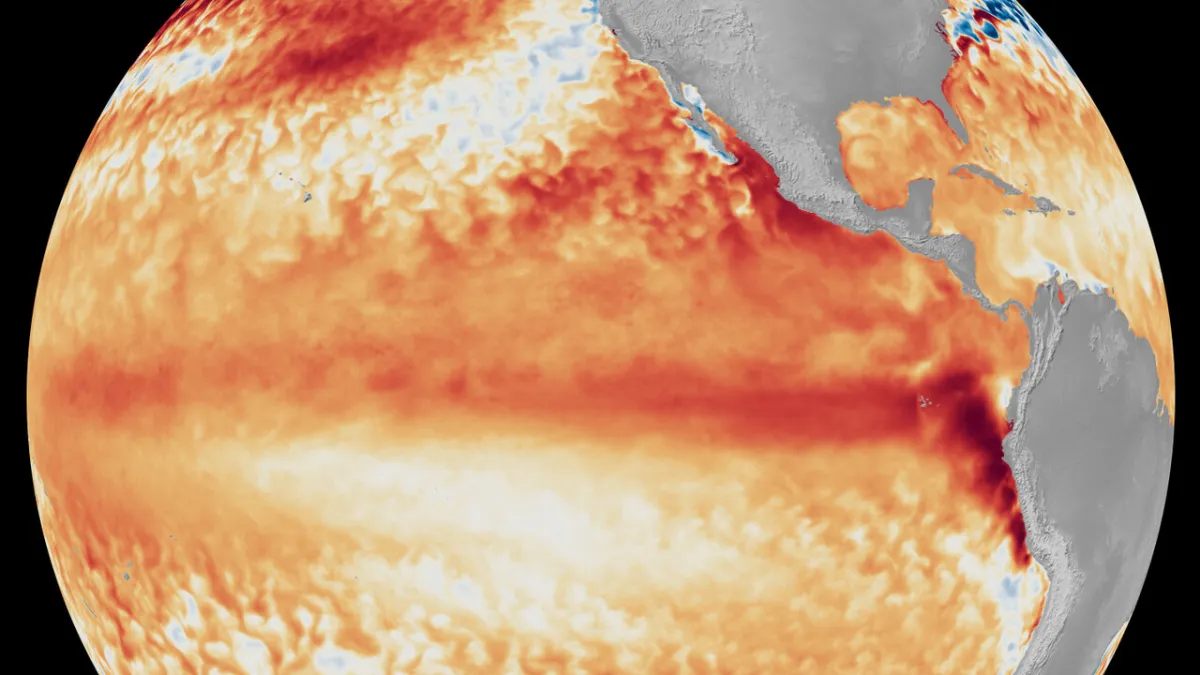
GLOBAL — The world braces for a potentially unprecedented climatic disaster. The developing El Niño phenomenon is predicted to be the strongest in the last 150 years, with experts from the journal Nature warning that these extreme conditions will make 2027 the warmest year ever recorded in Earth's history. This alert triggers global concerns about serious impacts on the environment, economy, and human well-being.
El Niño represents the warm phase of the El Niño-Southern Oscillation (ENSO), a natural climate pattern characterized by the warming of sea surface temperatures in the central and eastern Pacific Ocean. This cycle significantly affects global weather patterns, often triggering droughts in some regions and floods in others.
The scale of the current El Niño, according to reports published by leading scientists in the journal Nature, surpasses most past similar events, even those recorded in 1997-1998 and 2015-2016 which were already severe. Satellite data and climate models show sea temperature anomalies not seen in a century and a half, indicating an unmatched intensity.
Experts project that the cumulative effect of this super El Niño, coupled with ongoing global warming trends, will push the average global temperature in 2027 past critical thresholds. This means we will witness new record high temperatures, surpassing previous records, and ushering Earth into a more extreme phase of warming.
The direct impacts of this strongest El Niño are diverse. Various parts of the world will experience drastic weather changes, ranging from prolonged heatwaves, extreme rainfall, to severe droughts affecting food security and water supply. Marine and terrestrial ecosystems are also under serious threat.
For instance, Southeast Asia and Australia are expected to face longer and more intense dry seasons, increasing the risk of wildfires. Meanwhile, parts of South America are likely to be hit by excessive rainfall, triggering floods and landslides. Extreme weather phenomena, such as Europe's severe wildfires in 2026 or heatwaves stifling European cities, could become more frequent and severe.
Socio-economic consequences are inevitable. The agricultural, fishing, and tourism sectors will be hardest hit. Drinking water scarcity, heat-related disease outbreaks, and population displacement due to natural disasters have the potential to become humanitarian crises in many countries.
Facing this threat, the international community calls for increased vigilance and rapid mitigation actions. World leaders are urged to accelerate the clean energy transition and invest in climate-resilient infrastructure, to minimize community vulnerability to the impacts of El Niño and long-term climate change.
National meteorological agencies in various countries, including the Meteorology, Climatology, and Geophysics Agency (BMKG) in Indonesia, have intensified monitoring and issued early warnings to the public. The World Meteorological Organization (WMO) also emphasizes the importance of global collaboration in data sharing and adaptation strategies.
Although the El Niño phenomenon is a natural cycle, its significantly increased intensity is believed to be exacerbated by the accumulation of greenhouse gases in the atmosphere due to human activities. 2027, with its designation as the hottest year, will serve as a painful reminder of the urgency of the climate crisis and our collective responsibility for Earth's future.