 Dodi Irawan
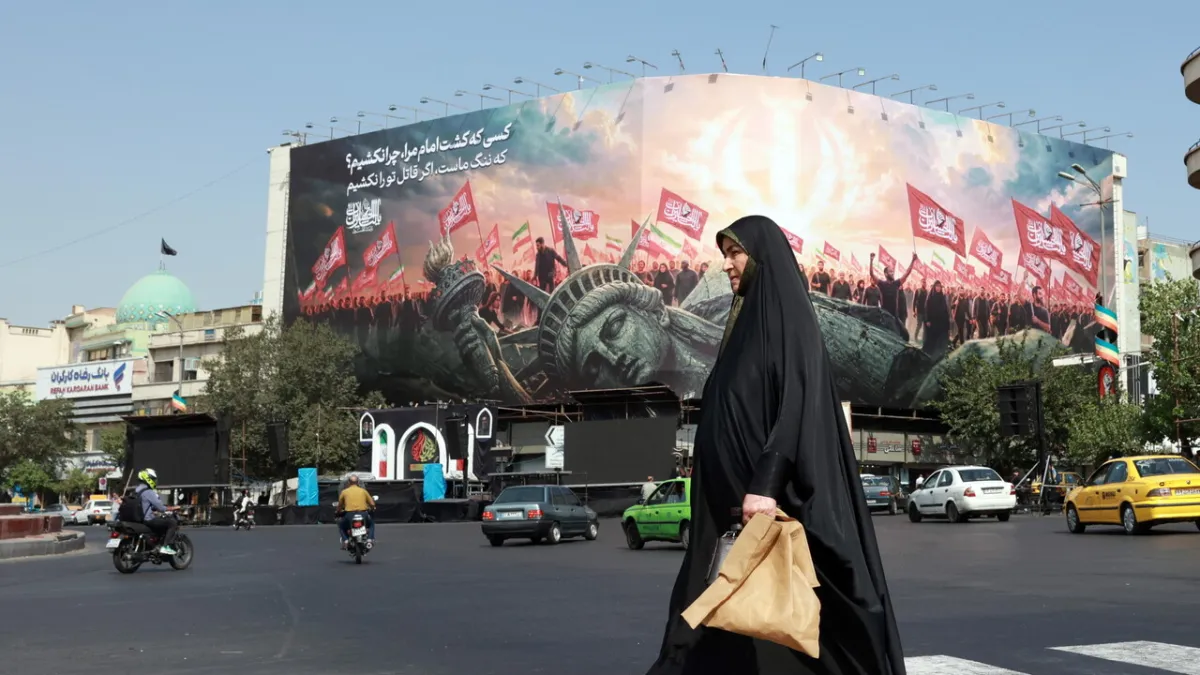
TEHRAN – Geopolitical tensions in the Persian Gulf region escalated in 2026 after the United States launched a new series of air strikes around the Strait of Hormuz. This military action was immediately met with a decisive retaliation threat from Tehran, as Iranian President Masoud Pezeshkian strengthened his diplomatic position through strategic meetings with Russian President Vladimir Putin and Chinese President Xi Jinping to gather support.
The strikes, carried out by United States forces under the leadership of President Donald Trump, targeted facilities that Washington claimed were linked to Iran's destabilizing activities in the vital shipping lane. Details regarding the type of facilities and the extent of damage have not been officially announced, but the incident marks a significant escalation in the long-standing rivalry between the two nations.
Following the attacks, Iran's Foreign Ministry spokesman unequivocally stated that Washington's actions would not go without consequences. He emphasized Tehran's readiness to launch decisive and measured retaliatory strikes against any aggression threatening Iran's sovereignty and national security.
The Strait of Hormuz, a narrow passage connecting the Persian Gulf with the Arabian Sea, is one of the most crucial maritime choke points in the world, with over one-fifth of the global oil supply passing through it. Any disruption in this strait has the potential to trigger oil price volatility and destabilize the global economy.
Amidst the escalating situation, President Pezeshkian took swift diplomatic action. He embarked on state visits to Moscow and Beijing, an effort to consolidate Iran's alliances with major powers that hold countervailing interests to the United States' hegemony in the Middle East.
In Moscow, President Pezeshkian was warmly welcomed by President Putin. During a closed-door meeting, the Kremlin reiterated its support for Iran's right to protect its sovereignty. Diplomatic sources indicated discussions on regional security coordination and increased military-technical cooperation.
From Russia, Pezeshkian continued his journey to Beijing to meet President Xi Jinping. China, as the world's largest oil importer, has a vital interest in the stability of the Strait of Hormuz, but also demonstrated its commitment to supporting Iran in international forums, opposing foreign interference in the internal affairs of sovereign states.
Iran's diplomatic overtures with Russia and China send a strong signal to Washington that any future military actions will face resistance not only from Tehran but also potentially provoke reactions from Iran's strategic allies. This risks increasing tensions in an already fragile region.
The situation in the Strait of Hormuz is now a primary concern for the international community. The UN Security Council and various regional organizations are calling on all parties to exercise restraint, to avoid a broader escalation of conflict that would impact global trade routes and world energy stability.
Editorial Insight: This escalation reflects the complex geopolitical dynamics in the Middle East, where the power plays among superpowers and regional states collide. The support Iran has secured from Russia and China significantly alters the United States' strategic calculations. This is not merely about Hormuz, but also about Iran's efforts to challenge Washington's unilateralism, potentially reshaping the regional security order for decades to come.