 Chandra Wijayanto
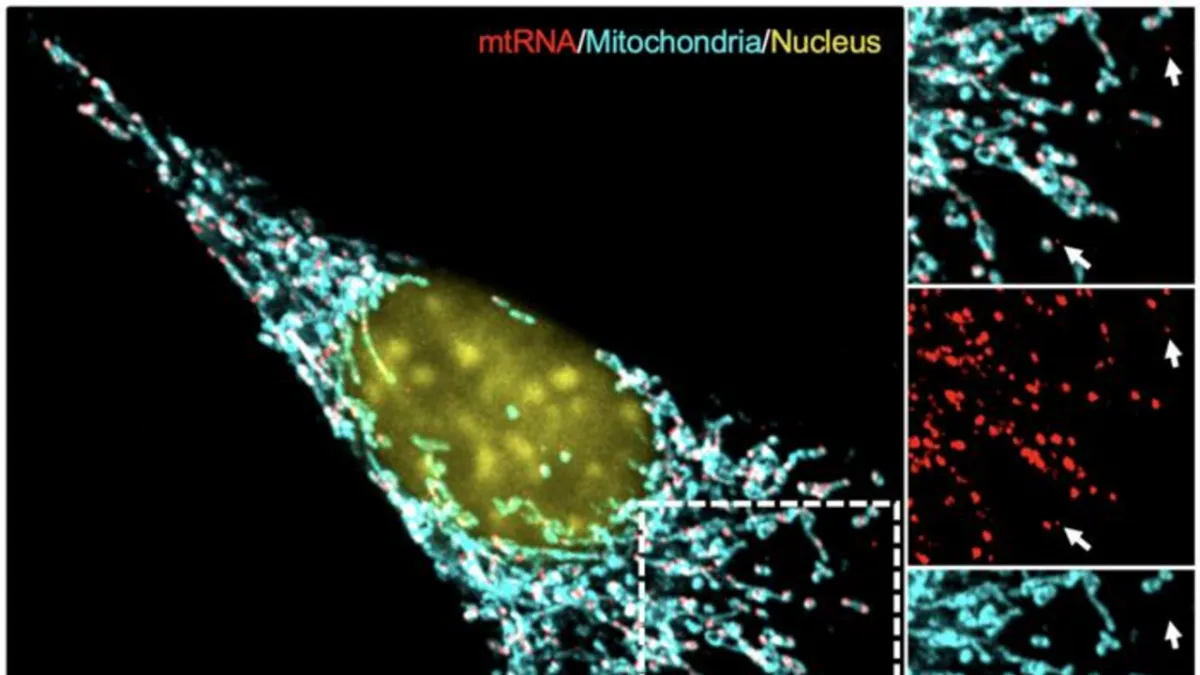
GENEVA – A surprising scientific discovery in 2026 has reshaped the paradigm of cancer understanding. The body's immune system, long known as the primary protector, has been identified as a factor that can drive tumor growth. Researchers from the University of Geneva successfully identified a new pathway explaining this phenomenon, opening up innovative treatment scenarios, especially for cancer cases resistant to conventional therapies.
The scientists, led by Professor Dr. Elena Rossi, published their revolutionary findings in a leading scientific journal. They described a complex mechanism where certain immune cells, instead of attacking cancer cells, instead create a microenvironment conducive to tumor proliferation and development.
The implications of this discovery are enormous for the medical world and oncology. For a long time, most cancer treatment strategies have focused on strengthening the patient's immune response to fight malignant cells. However, new data suggest that this approach may need to be adjusted or even completely overhauled for some types of tumors.
The primary focus of this research is on tumors that show resistance to chemotherapy or commonly used immunotherapy. The identification of this new pathway provides a potential explanation for why some patients do not respond positively to standard treatments, presenting both a challenge and a great opportunity for therapeutic innovation.
Dr. Rossi explained, We found that certain macrophages, when exposed to signals from the tumor microenvironment, can switch their function from cell killers to growth facilitators. This is a crucial finding that challenges our previous understanding of the immune systems role in cancer pathogenesis.
This in-depth understanding of the immune system's dual role opens the door for the development of entirely new treatment strategies. This approach may involve targeting specific signaling pathways that activate the facilitator mode in immune cells, blocking their ability to support tumor growth.
Although these findings are highly promising, significant research challenges remain. Scientists are now working hard to identify accurate biomarkers. These biomarkers are expected to predict which tumors are most likely to exploit the patient's immune system for their own benefit, allowing for more precise personalized therapies.
It is anticipated that this discovery will trigger a wave of further research across oncology centers worldwide. International collaboration will be key to accelerating the validation of these findings and translating them from the laboratory to clinical application, bringing new hope to millions of patients.
Professor David Chen, a leading oncologist from the National Cancer Institute, welcomed this research. He stated, This is a significant step forward in the fight against cancer. We must dare to re-examine old dogmas and continue to explore every biological loophole to conquer this disease.
For millions of cancer sufferers, especially those with poor prognoses due to treatment resistance, this finding sparks new hope. The potential for personalized therapies that target the specific interactions between tumors and the immune system becomes more tangible, promising a more effective and less toxic approach.
In 2026, the global medical research focus is increasingly shifting towards a comprehensive understanding of the tumor microenvironment. This discovery in Geneva reinforces the trend that future cancer treatment will heavily rely on a detailed biological understanding of each individual and the complex interactions between body cells.
Editorial Insight:
The discovery that the immune system can be a double-edged sword in the battle against cancer represents a revolution in oncology. It not only demands a reorientation in research and drug development but also fosters a more holistic understanding of the body's biological complexity. Moving forward, the success of cancer therapy will largely depend on our ability to navigate this paradox, transforming threats into opportunities, to save more lives threatened by this deadly disease.