 Angela Stefani
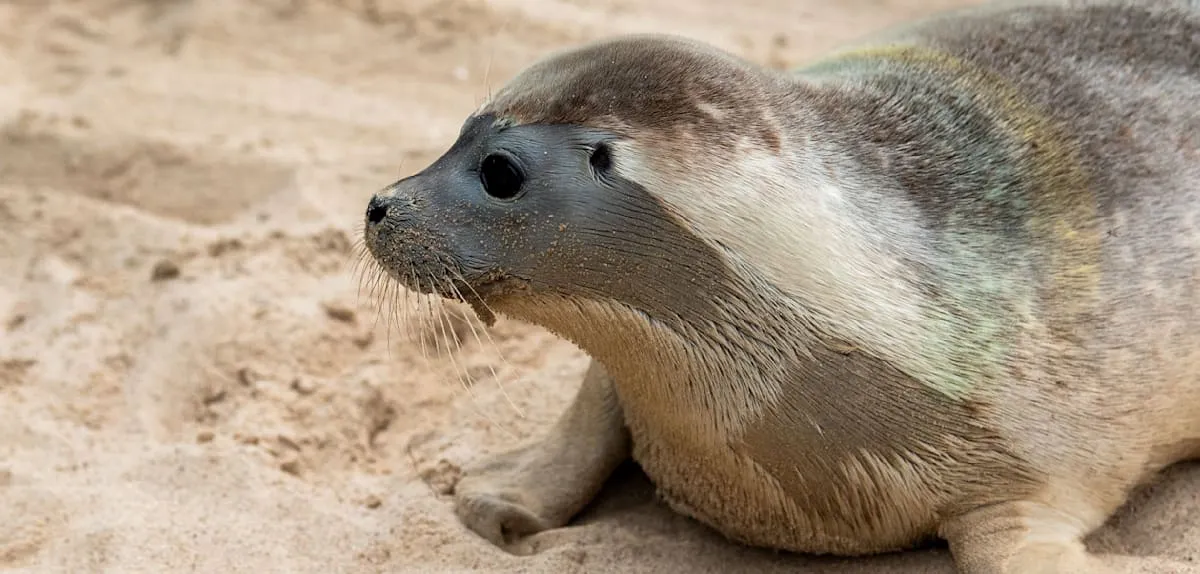
Hamburg — An severely injured young seal pup was found stranded on Teufelsbrück Beach, Elbstrand, Hamburg, triggering a dramatic rescue operation by local authorities in early 2026. The incident immediately garnered public attention and marked the small seal as the first patient for the Friedrichskoog wildlife rehabilitation station in northern Germany for the current year.
The surprising discovery occurred in a frequently bustling coastal area, yet at the time, the morning tranquility was broken by the presence of a wild animal in dire need of assistance. Passing residents reported seeing a "heuler" – the term for a suckling seal pup – lying weakly with an open wound.
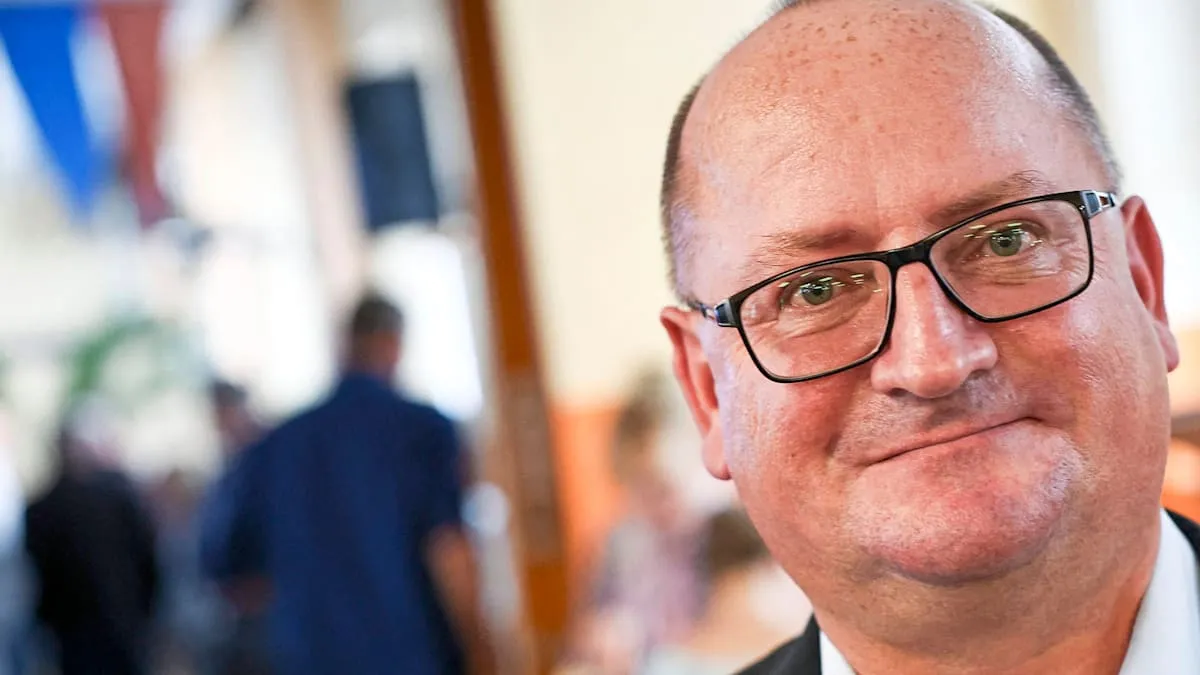
Responding to the reports, Olaf Nieß, widely known as Hamburg's "Schwanenvater" (Swan Father) and official seal protection officer, immediately rushed to the scene. With decades of experience in handling wildlife in the Elbe region, Nieß swiftly and carefully led the rescue efforts.
Nieß's initial investigation revealed that the young seal sustained a serious injury to its shoulder. This condition suggests a possible collision or dangerous interaction with an unknown object in the waters, although the exact cause is still under further investigation by the medical team.
The shoulder wound on the seal was not only concerning but also potentially life-threatening if not immediately addressed. Exposure to natural elements and predators posed additional risks for this vulnerable seal pup in its natural habitat.
Nieß and his team implemented standard rescue protocols, ensuring that the animal could be moved safely with minimal stress. The evacuation process was carried out with utmost professionalism, considering the seal's weak condition and the urgent need for medical care.
After being successfully evacuated, the unfortunate seal pup was immediately transported to the Friedrichskoog Aufzuchtstation, a renowned seal rehabilitation and conservation center strategically located on the Schleswig-Holstein coast. This facility has an excellent reputation for treating and rehabilitating sick or injured seals.
The arrival of this young seal from Hamburg marked a significant moment for Friedrichskoog. As the first patient admitted in 2026, its case symbolically opened a new chapter in marine wildlife conservation and rehabilitation efforts throughout the year. Experts hope to provide the best care so that the seal can eventually return to its natural habitat.
This rescue case once again highlights the importance of public awareness regarding the protection of marine ecosystems and the animals within them. Hamburg's coastal area, despite being a busy urban center, remains a crucial habitat for various species, including seals.
The existence of seals in northern German waters, including along the Elbstrand, requires continuous attention. Their populations are vulnerable to climate change, pollution, and irresponsible human activities. Cases like this serve as a sharp reminder of the fragility of our marine environment.
Conservation efforts are not solely focused on individual treatment but also on broader environmental policies. A commitment to environmental sustainability is essential, as emphasized in various global forums, including discussions surrounding the 50th anniversary of the Seveso incident, which called for stronger environmental commitments.
This seal rescue, although local in scale, reflects global conservation challenges. Increasingly frequent extreme summers across Europe, such as those anticipated in 2026, also have implications for the health of marine ecosystems and their inhabitants, including potential changes in migration patterns or food availability for seals.
The medical team at Friedrichskoog is now working diligently to ensure the recovery of the young seal. Its prognosis is still under observation, but there is great hope that the animal will fully recover and return to swim freely in the northern German waters.
The public is urged to always report discoveries of injured wild animals to the authorities. Swift response and inter-agency coordination, as demonstrated by Olaf Nieß, are crucial in saving these valuable lives.
The Elbstrand seal case serves as a powerful narrative of how individual care and institutional cooperation can make a significant difference in nature conservation and biodiversity. It is a reminder that every living creature has a place in this delicate ecosystem.