 Debby Wijaya
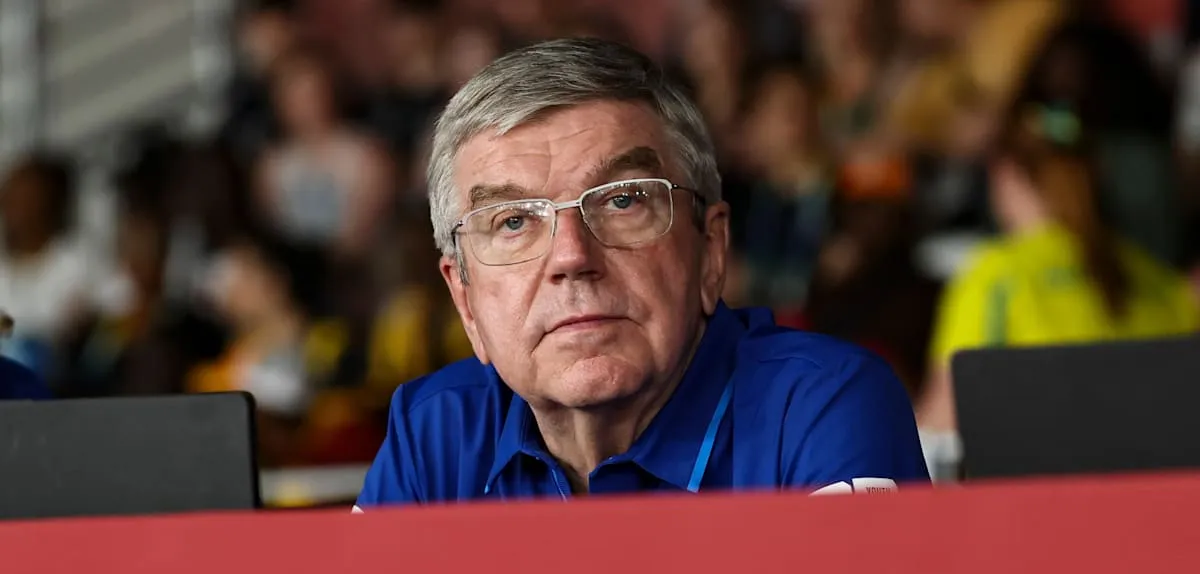
Geneva – Russian ice hockey teams have been surprisingly reinstated to participate in international competitions following a ruling by the Court of Arbitration for Sport (CAS). This decision, made in mid-2026, has triggered a wave of boycott threats from several nations, while former International Olympic Committee (IOC) President Thomas Bach vocally criticized such political intervention.
The CAS ruling overturned previous bans imposed on Russian teams. The court argued that the legal basis for a blanket ban was insufficient, paving the way for Russian athletes to return to global arenas. This marks a significant turning point in the prolonged controversy surrounding the participation of Russian athletes.
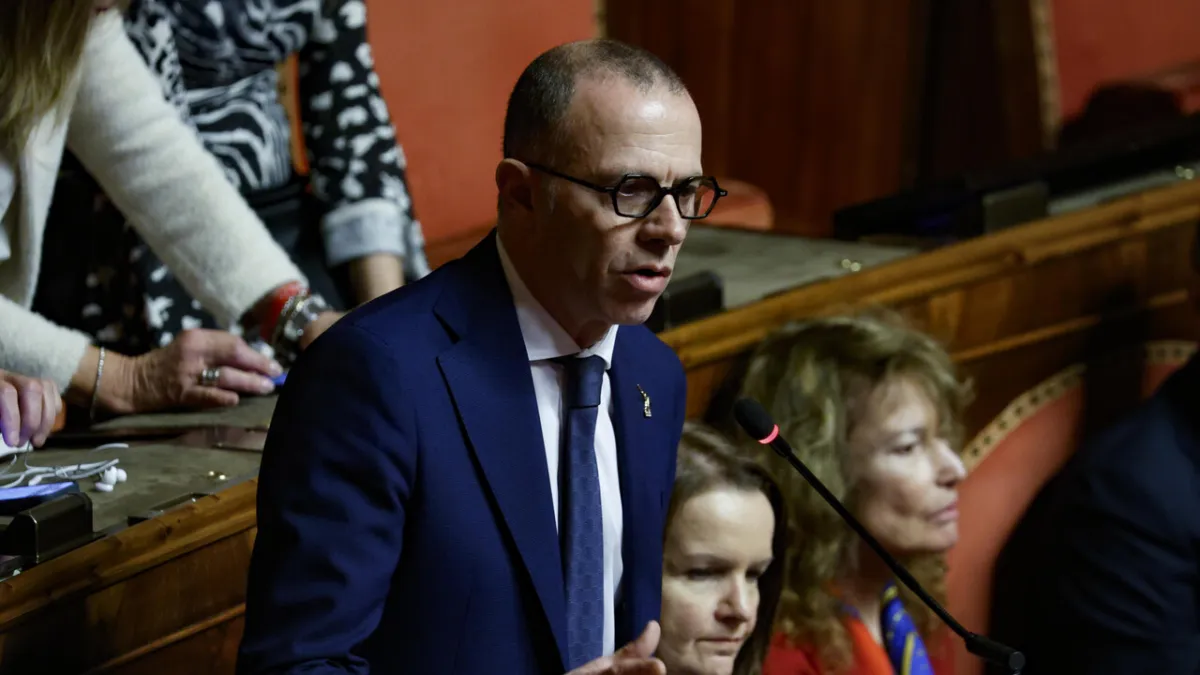
Bach, who once firmly led the IOC, expressed his concern. This situation should not be left solely to governments, he stated, emphasizing the importance of sports autonomy from political influence. Bach stressed that the principle of athlete neutrality must be upheld, separating athletes from the political decisions of their governments.
Boycott threats have emerged from several national ice hockey federations, particularly from countries that have been vocal opponents of Russia's geopolitical aggression. They insist that Russia's participation would undermine the integrity of the competition and the spirit of global sportsmanship, calling for political solidarity through sports.
The upcoming Ice Hockey World Championship is at risk of significant disruption. Should the boycott threats materialize, the tournament's credibility and viewership value would be severely damaged. The International Ice Hockey Federation (IIHF) now finds itself in a difficult position, facing unfavorable choices.
This is not the first time Russian sports have faced international sanctions. Over the past few years, Russian athletes across various sports have experienced participation restrictions due to doping issues and geopolitical conflicts, igniting an ongoing debate about the boundaries between sports and politics.
The core debate revolves around whether sports should remain apolitical or serve as a tool for international policy pressure. Bach and many others argue that athletes should not be punished for their governments' actions but should be allowed to compete based on merit.
The IIHF, as the global governing body for ice hockey, stated it would review each case individually and strive to find a fair solution for all parties, while maintaining competition standards. However, the political and moral pressure faced is immense, forcing them to tread a fine line of diplomacy.
The Russian Ice Hockey Federation welcomed the CAS decision, calling it a step towards justice and an opportunity for their athletes to once again showcase their abilities on the global stage. They affirmed their readiness to compete and abide by all applicable rules, hoping this conflict will soon subside.
This decision has the potential to set a precedent for other sports that have also imposed bans on Russian athletes. The future participation of athletes from that country in the Olympics and other global championships will be significantly impacted by these developments, creating considerable uncertainty.
Geopolitical tensions between Russia and several Western nations remain a dominant factor shaping the international sports landscape. This conflict inevitably drags the world of sports into a complex political vortex, demanding careful diplomacy from the leaders of global sports federations.
Similar situations, albeit in different contexts, frequently arise in the dynamics of international relations involving Russia. Sensitive issues that illustrate the complex interaction between politics and global interests, such as those discussed in the article 'NATO Sakit Gigi Bagi Rusia: Moskow Desak Perombakan Arsitektur Pertahanan Eropa', reflect these ongoing challenges.
Editorial Insight: The reinstatement of Russian ice hockey teams to the international stage via the CAS ruling is a legal victory, but ironically it has triggered a diplomatic crisis in the sports world. The biggest challenge now is how to maintain the integrity of competitions amid boycott threats without sacrificing the principle of sports autonomy. This is a test for sports federation leadership to navigate a politically charged minefield, ensuring that the spirit of competition remains the primary focus, not geopolitical conflict. The future of the Ice Hockey World Championship, and perhaps the Olympics, heavily depends on a wise resolution to this crisis.