 Dorry Archiles
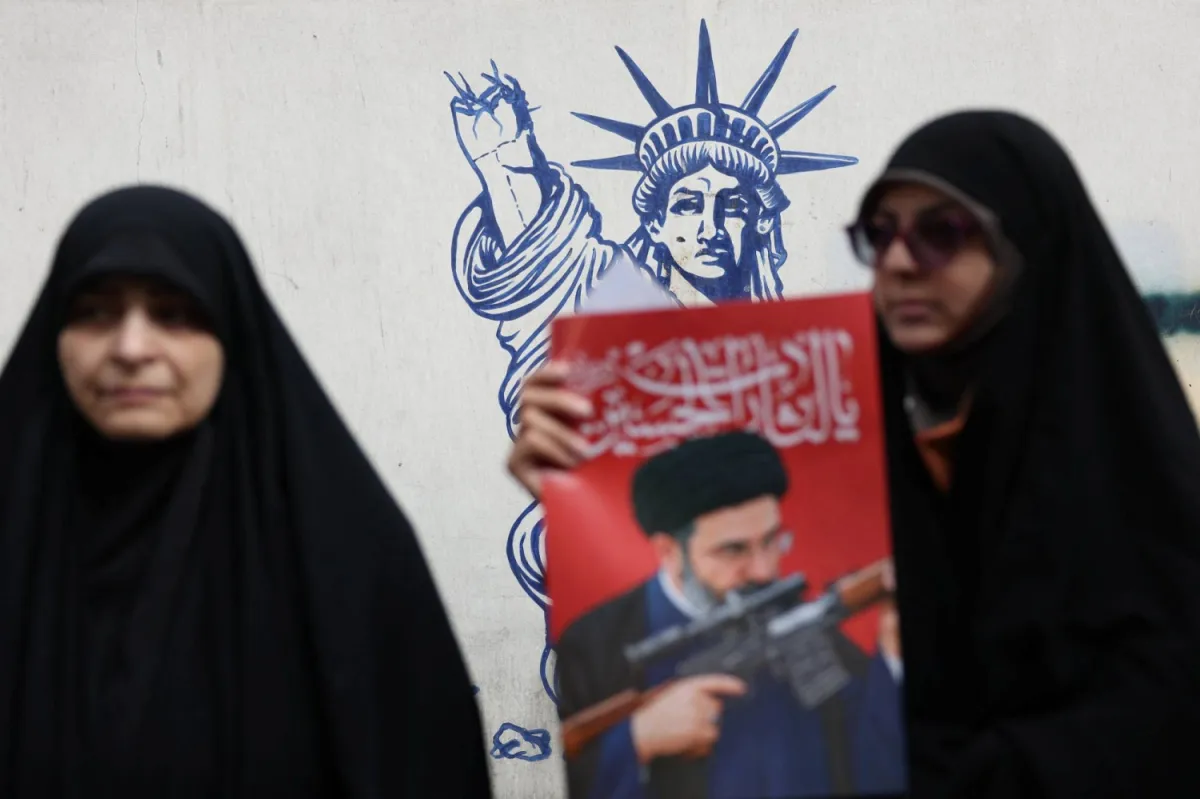
VIENNA – A significant diplomatic breakthrough could reshape the geopolitical landscape of the Middle East in 2026, as the United States and Iran are reportedly moving closer to a deal concerning Tehran's nuclear program. This news has surprised many, given that Tehran is now showing a willingness to discuss issues previously considered taboo and non-negotiable, marking a fundamental shift in its diplomatic stance.
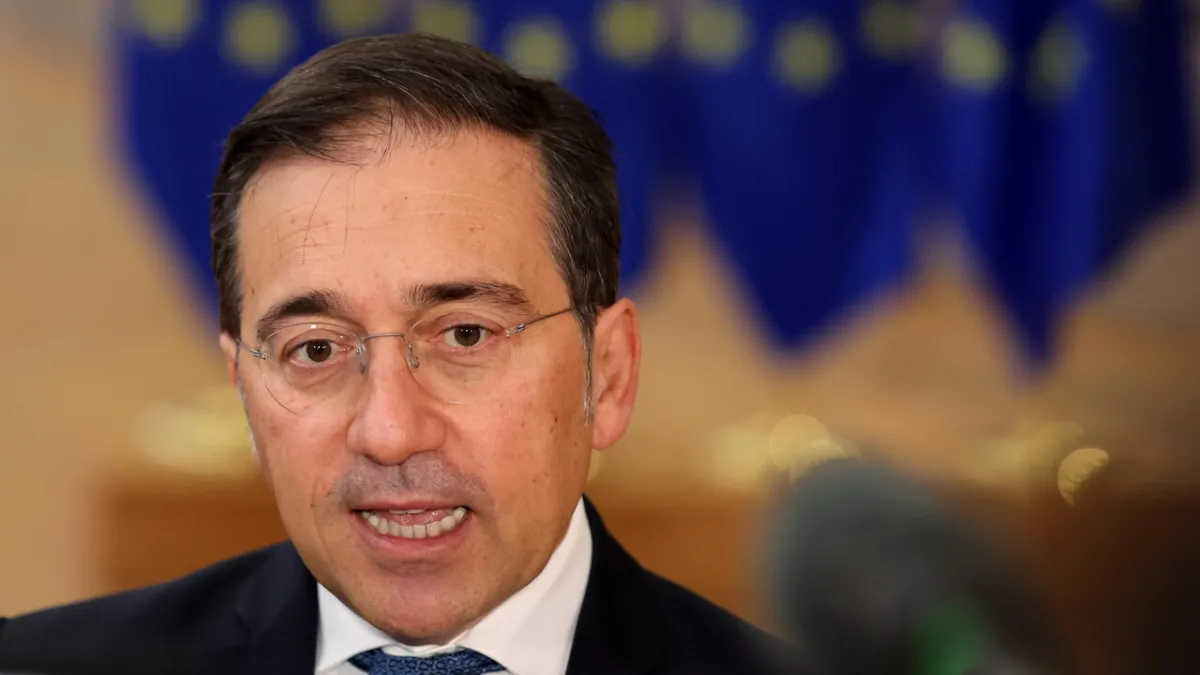
This crucial development was confirmed by a diplomat with direct access to the negotiation rounds. 'Tehran is now showing a willingness to discuss issues related to its nuclear program that were previously off the table,' he stated, indicating a new chapter in efforts to ease decades-long tensions between the two nations.
This diplomatic initiative unfolds amidst a complex global political climate, with President Donald Trump's administration in the United States continuously seeking pragmatic solutions to international security challenges. The consistency in these bilateral diplomatic efforts is a strong indication of both sides' push for a lasting resolution.
For years, Iran's nuclear program has been a source of serious concern for the international community, particularly regarding the potential development of nuclear weapons. Previous nuclear agreements, such as the Joint Comprehensive Plan of Action (JCPOA), experienced ups and downs and their effectiveness was often questioned. Now, with Tehran opening the door to discussions, hopes for achieving a more comprehensive agreement are reignited.
Geopolitical observers note that Iran's change in attitude could be triggered by various factors, including sustained economic pressure and shifting regional dynamics. A new deal, if realized, is expected to provide a stronger framework for overseeing Iran's nuclear program, while also providing security assurances for neighboring countries.
These talks are not only focused on the technical aspects of the nuclear program but also encompass broader regional implications and stability issues. Negotiators are challenged to find fair common ground that benefits both parties, without compromising global security.
The active involvement of the United States, under President Trump's leadership, demonstrates Washington's commitment to resolving one of the world's most pressing diplomatic problems. This direct dialogue approach is seen as a bold step with the potential to yield significant results.
However, the path to a final agreement will certainly not be smooth. Various obstacles remain, including rebuilding trust between parties long marked by suspicion, and ensuring transparent and accountable implementation of the agreement.
The impact of this deal, if achieved, would be far-reaching. It would not only de-escalate tensions in the Middle East but also potentially alter global energy market dynamics and strengthen the global nuclear non-proliferation regime.
It is important to note that despite positive signals, this diplomatic process still requires support and oversight from the international community. The International Atomic Energy Agency (IAEA) will likely play a central role in verifying Iran's compliance with any agreed terms.
The ball is now in the negotiators' court. The world awaits whether this glimmer of hope will truly lead to a lasting peaceful agreement, or if it will once again fade amidst the complexities of international politics. Issues related to nuclear development are always a major concern, as highlighted in cases like the Chubu Electric Data Scandal in Japan, which demonstrated the sensitivity of this issue.
Editorial Insight: Iran's surprising shift, especially its willingness to discuss previously absolute nuclear issues, indicates a new pragmatism in Tehran, possibly driven by internal pressures and geopolitical changes. While the prospect of a deal appears promising, the main challenges lie in rebuilding damaged trust and overcoming opposition from hardliner factions on both sides. Success here would not only stabilize the region but could also serve as a blueprint for resolving other complex conflicts on the global stage.