 Debby Wijaya
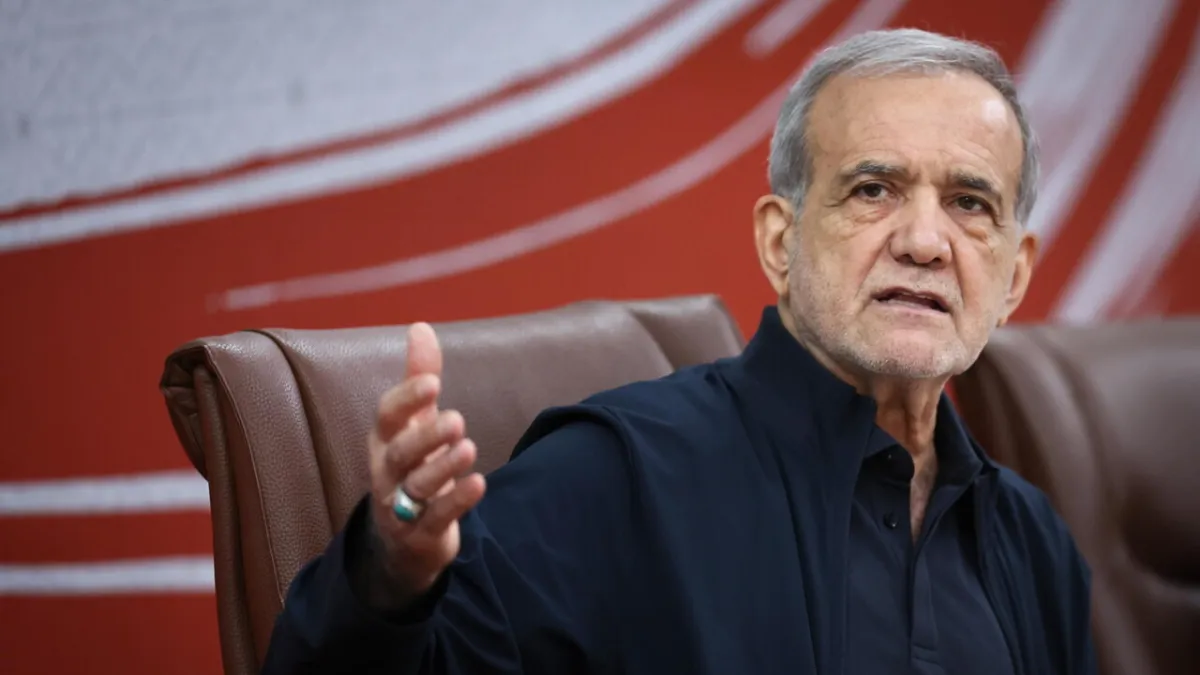
TEHRAN – Iranian President Masoud Pezeshkian today emphasized the necessity of ending regional conflicts from a position of strength, a statement indicating a strategic shift in Iran's diplomacy amid escalating geopolitical tensions in the Middle East in 2026. This call, delivered by the nation's supreme leader, has fueled speculation about potential new initiatives for regional stability.
Pezeshkian's statement, which literally translates to It is better to end the war today from a position of strength, underscores Tehran's determination to negotiate or engage in dialogue not from weakness, but with significant political and military leverage. Foreign policy analysts interpret this as a signal to parties involved in various regional conflicts, including Israel, the United States, and other regional powers, that Iran is ready for dialogue but will not compromise on its core interests.
The conflicts alluded to by President Pezeshkian are believed to encompass escalating tensions in the Red Sea, the situations in Yemen and Syria, and the enduring friction with Israel. The Middle East, long a vortex of conflict, now faces new challenges with constantly shifting power dynamics.
Since taking office, President Pezeshkian has navigated Iran through a complex period, confronting international sanctions and regional pressures. His call to end the war from a position of strength can be seen as an effort to project both internal and external stability, while asserting Iran's role as a key player in the regional security architecture.
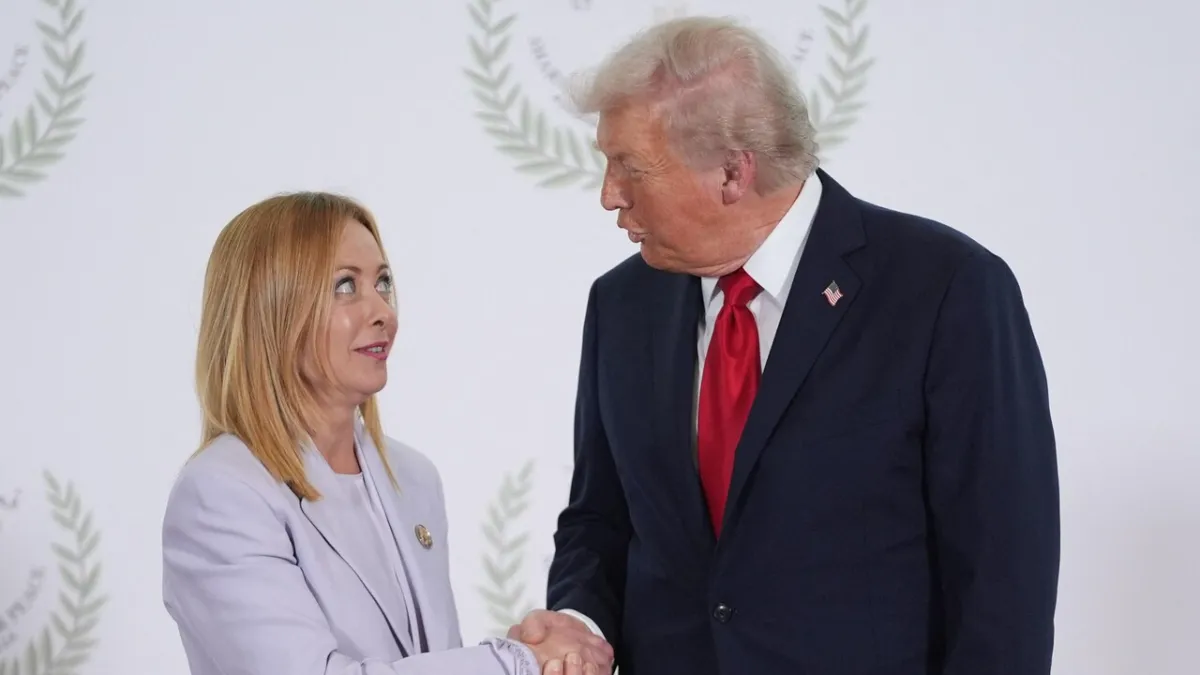
This statement aligns with a global context where diplomatic efforts to de-escalate tensions are often hindered by mistrust. With U.S. President Donald Trump once again at the helm, the international political landscape concerning Iran could become even more complex, or perhaps open new, unprecedented avenues for dialogue.
Some observers argue this is an Iranian attempt to consolidate its influence before entering a more serious phase of negotiations. This is not about surrender, but about negotiating from a position where Iran feels respected and strong, said Dr. Hassan Ahmadi, a professor of international relations at Tehran University. Pezeshkian is sending a message that Iran will not be dictated to.
This strategy can also be viewed as a response to continuous pressure regarding Iran's nuclear program and regional activities perceived as destabilizing by Western nations and some Gulf neighbors. By asserting strength, Iran hopes to create more equitable conditions for dialogue.
The move also carries domestic implications. Ending conflicts from a position of strength could boost public morale and strengthen the leadership's legitimacy in the eyes of the Iranian people, who have long suffered the economic impacts of conflicts and sanctions.
Although this rhetoric sounds ambitious, its implementation will undoubtedly face numerous obstacles. The history of conflict in the Middle East demonstrates that the pursuit of peace is often long and arduous. However, with this statement from the top leadership, there is at least a clear signal about the direction Tehran wishes to take.
This declaration also echoes other global dynamics requiring conflict resolution from a strategic position, such as discussions concerning sovereignty and security in Eastern Europe, similar to Russia's dilemma amidst the shadow of conflict.
Editorial Insight:
President Pezeshkian's statement marks a significant moment in Iran's foreign policy rhetoric. It is not merely a call for peace, but a declaration that Iran intends to shape its own peace narrative, based on strength rather than external coercion. Moving forward, the world will observe whether this rhetoric translates into concrete diplomatic actions that can alter the volatile landscape of the Middle East, or if it will remain a more aggressive negotiation strategy. The challenge lies in finding common ground with regional and global actors who also possess their own strategic interests.