 Dorry Archiles
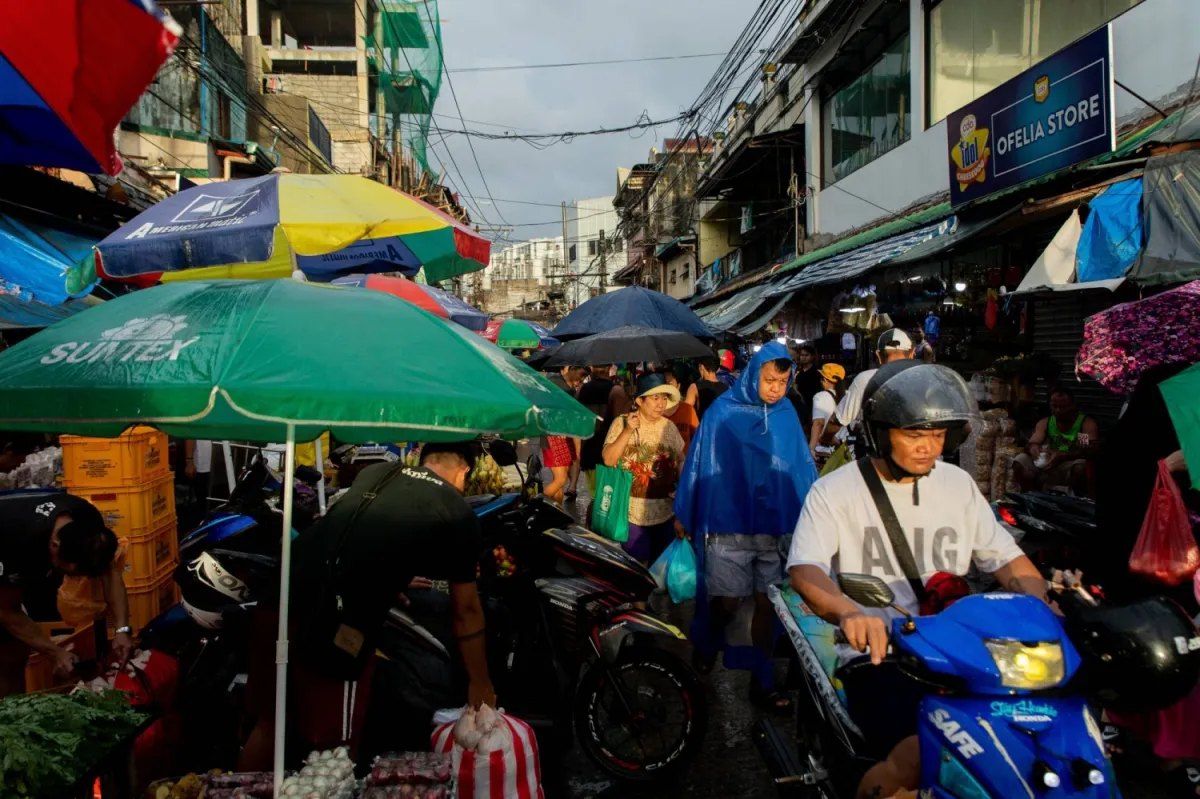
MANILA – The Philippine economy entered a deeper slump in early 2026, facing severe challenges that have triggered widespread concern. A lethal combination of the escalating Iran War in the Middle East and extreme weather phenomena across the region has exerted serious pressure, forcing the government and the Central Bank to re-evaluate monetary policies under intense scrutiny from President Ferdinand Marcos Jr. This situation raises widespread worries about the prospects for growth and domestic price stability.
This worsening economic situation is a significant blow to Manila, which had previously strived to sustain post-pandemic growth. Recent data indicates a significant slowdown in key sectors, from manufacturing to services, largely due to supply disruptions and declining demand.
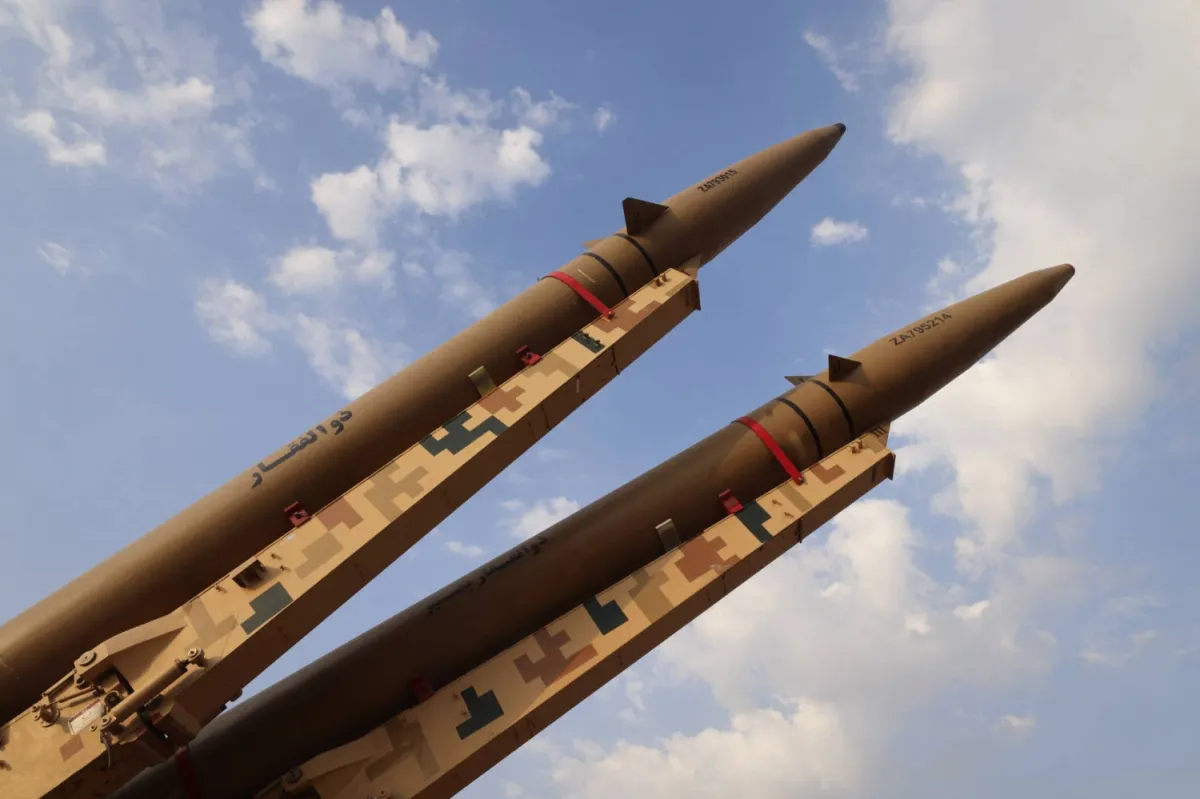
The escalating conflict in the Middle East, particularly the Iran War, has rattled global energy markets. Surging world oil prices have led to increased production and transportation costs in the Philippines, a country heavily reliant on fossil fuel imports. As a consequence, inflation has crept up, eroding purchasing power and burdening household budgets.
Furthermore, geopolitical turmoil has also complicated global supply chains, hindering the flow of essential goods and raw materials into the Philippines. Companies face challenges in maintaining their operations, which in turn impacts job creation and investment.
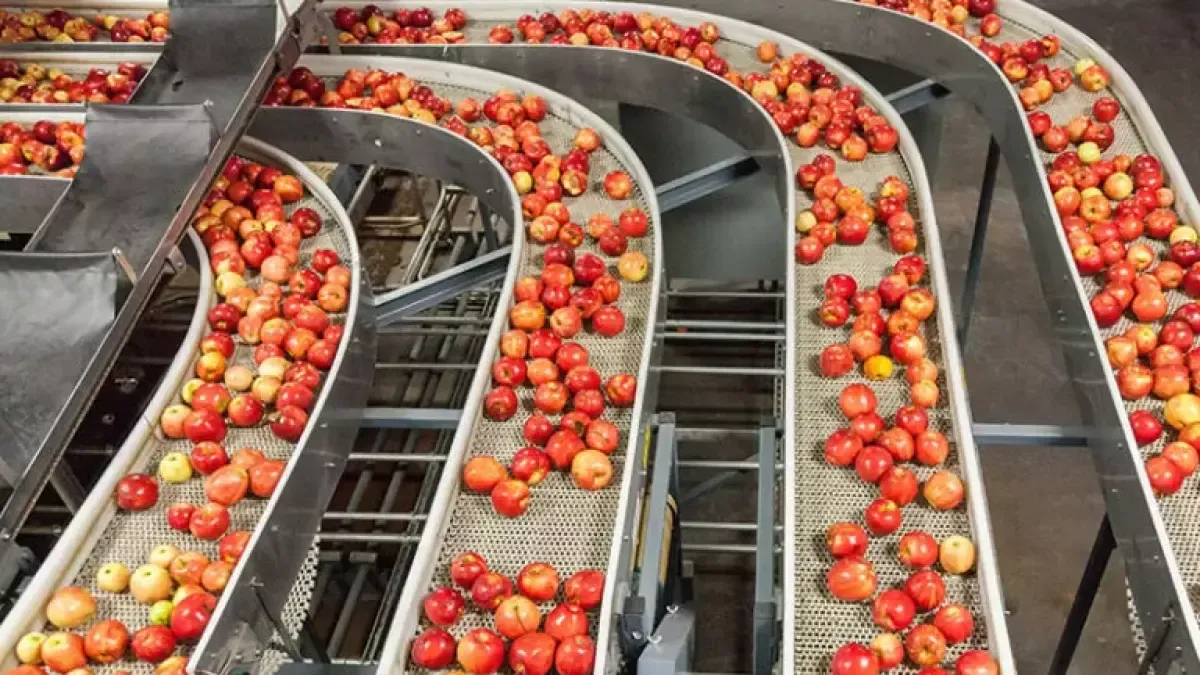
Concurrently, extreme harsh weather conditions pose a tangible threat to the Philippine agricultural sector. Tropical storms, prolonged droughts, and sporadic flooding in 2026 have severely damaged harvests. Key food commodities have become scarce, causing prices of basic necessities to skyrocket.
These extreme weather phenomena not only damage agricultural lands but also vital infrastructure such as roads and bridges, impeding the distribution of goods and leading to substantial economic losses. The government faces a dual burden of recovery and climate adaptation.
This economic slowdown now questions the effectiveness of the interest rate hike cycle implemented by the Bangko Sentral ng Pilipinas (BSP). Analysts are beginning to express doubts about whether a tight monetary policy remains relevant amidst the threat of recession and inflation driven by difficult-to-control external factors.
Pressure is increasingly directed at President Marcos Jr. His administration is expected to present concrete and strategic solutions to mitigate the looming crisis. However, with limited fiscal space and the complexity of the problems, available policy options are narrowing.
Economists predict that if the situation does not improve, the Philippines' Gross Domestic Product (GDP) growth for 2026 risks falling short of its set targets. Unemployment figures could potentially rise, and poverty levels might creep back up, reversing the economic achievements of recent years.
To address this, the government has announced several mitigation measures, including limited subsidies for essential commodities and aid programs for affected farmers. However, the effectiveness of these measures remains a subject of debate among economists and the public.
The Bangko Sentral ng Pilipinas faces a difficult dilemma between containing inflation with further rate hikes or supporting the sluggish economy through more accommodative policies. The decisions made will have long-term implications for the financial stability and welfare of the Filipino people.
This situation highlights the fragility of developing economies to global upheavals and climate change. The Philippines, with its large agricultural sector and reliance on imports, is among the most vulnerable to such external shocks.
Editorial Insight: The combination of geopolitical and climate crises is a ticking time bomb for many developing nations, including the Philippines. The challenge for the Marcos Jr. administration is not merely economic management but also building long-term resilience. Structural reforms, diversification of energy sources, and significant investments in climate-resilient infrastructure are essential to address these fundamental vulnerabilities. Without a comprehensive strategy, the Philippines risks being trapped in a cycle of economic slowdowns triggered by factors beyond its control.