 Debby Wijaya

TEHRAN – The Iranian government in 2026 has unequivocally set forth a series of conditions deemed nearly impossible for the United States to meet for the reopening of the crucial shipping lane in the Strait of Hormuz. This stringent ultimatum includes demands for a complete cessation of conflict in the region and the withdrawal of all US military forces from the Middle East, a move that significantly escalates global geopolitical tensions. The statement, issued by senior Iranian officials, signals a new chapter in the complex dynamics between these two major powers.
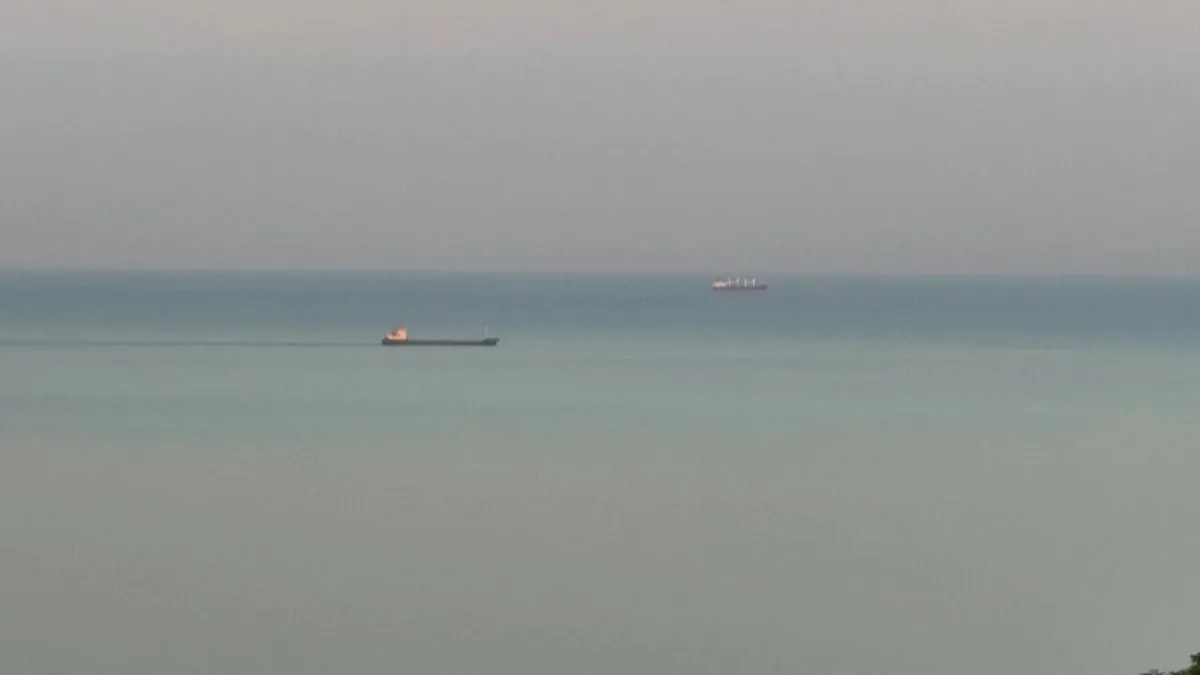
This dramatic announcement from Tehran follows an extended period of uncertainty and friction in the Persian Gulf region. The Strait of Hormuz, which separates the Gulf of Oman from the Persian Gulf, is a vital maritime corridor through which approximately one-third of all globally traded oil passes. Any closure or disruption in this strait could trigger severe economic upheaval in international energy markets.
The conditions put forth by Iran are substantial. Besides the withdrawal of US troops, Tehran demands recognition of Iran's full sovereign rights in its territory and the lifting of all economic sanctions imposed by Washington. This list of demands is seen as Iran's attempt to position itself as a dominant regional power, while pressing the United States to fundamentally alter its foreign policy in the Middle East.
"Washington cannot possibly agree to these Iranian demands," a foreign policy analyst told national media, referring to statements by US officials who consider the conditions provocative. Meeting these demands would mean a drastic retreat of American influence from one of the world's most strategic regions, something no administration, including the one in power in 2026, would accept.
Jan Philipp Burgard, a prominent Global Reporter, acutely observed, "Iran is playing a waiting game. They know very well that the United States will not simply meet all these demands, and Tehran is using this situation to gain a stronger bargaining position." This statement underscores the perception that Iran is leveraging the moment to solidify its standing on the international stage.
Tensions in the Strait of Hormuz are not new. Throughout modern history, this strait has repeatedly been a flashpoint for conflict, particularly concerning the security of global oil supplies. Every threat of closure invariably triggers serious concerns in commodity markets and affects global oil prices.
The current situation places the international community at a crossroads. While many nations rely on the stability of this shipping lane, Iran's demands reflect deep dissatisfaction with Western policies, particularly those of the United States, in the region. This is not merely a negotiation; it is a battle of geopolitical wills.
The economic impact of a closure, or even the threat of closure, of Hormuz is already being felt. Global crude oil futures show significant fluctuations, reflecting investor anxiety over supply uncertainty. The shipping industry also faces logistical challenges and increased insurance costs.
This crisis also highlights the critical role of multilateral diplomacy. The UN and other major powers will likely be urged to seek a peaceful resolution, although prospects appear challenging given Iran's firm stance. Pressure for de-escalation will only intensify.
The United States administration in 2026, navigating the complexities of foreign policy, is now under immense pressure. They must balance maintaining strategic interests in the Middle East and avoiding a broader escalation of conflict.
This ongoing Strait of Hormuz crisis is relevant to previous articles concerning regional tensions. Readers can revisit "Tehran Urges US: Hormuz Reopens, Tough Conditions Await Washington" and "Iran Threatens to Close Hormuz: Crucial Conditions for US Revealed!" for a deeper contextual understanding.
Editorial Insight: Iran's escalating demands signify a shift towards a more aggressive tactic in confronting international pressure. While the conditions presented appear unrealistic, this move aims to test Washington's resolve and potentially draw the attention of other global powers for diplomatic intervention. The short-term outlook suggests tensions will continue to rise, while a peaceful resolution requires significant concessions from both sides, which are currently not apparent.