 Debby Wijaya
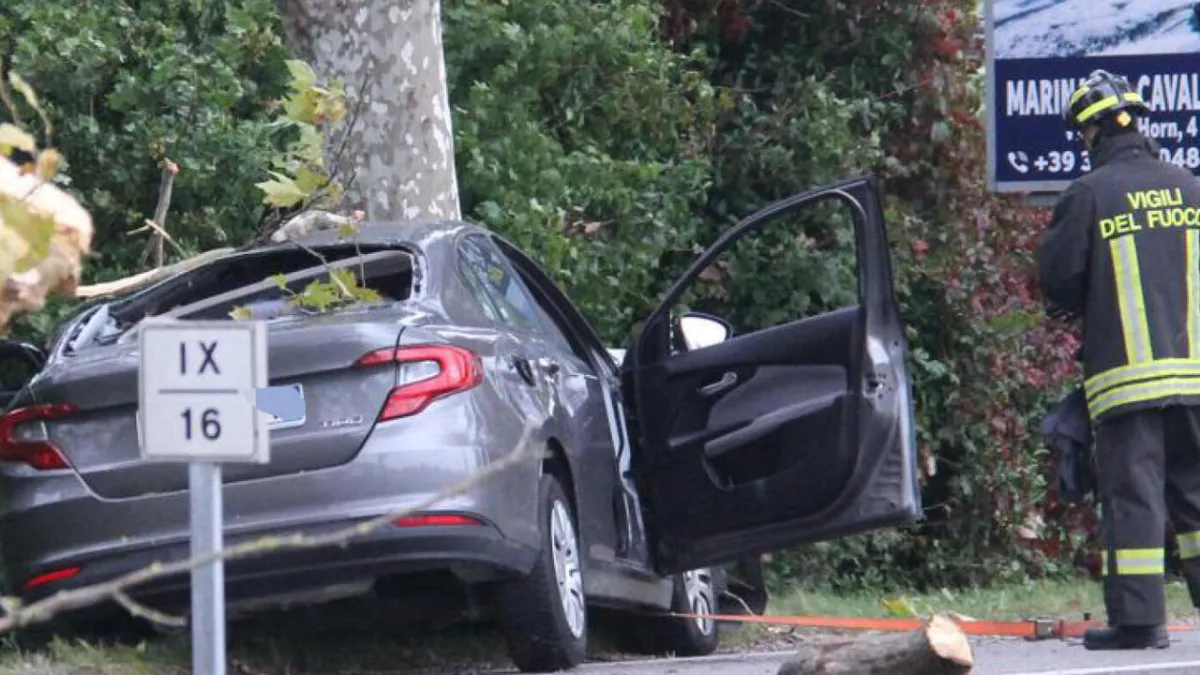
ROME – Extreme storms and severe weather have battered much of Italy from North to South this week, triggering serious disasters and claiming lives. A military soldier died after being struck by a falling tree in Jesolo, while massive landslides hit various areas, from Toscana to Calabria. Responding to the flood threat, local authorities also activated the giant MOSE barrier system in Venezia to protect the lagoon city from raging high tides.
The tragic incident involving the soldier occurred in the city of Jesolo, a place that now bears silent witness to natures fury. Initial reports indicate that the victim was on duty when strong winds suddenly uprooted a large tree, which then fell on him. This incident adds to the growing list of deadly impacts from increasingly unpredictable climate change.
Not only in Jesolo, the effects of this extreme weather are felt throughout the country. Several areas in Toscana experienced smottamenti, or minor landslides, which hampered traffic and caused infrastructure damage. A similar situation was reported as far as Calabria in the southern tip of the Italian peninsula, demonstrating the widespread scale of the disaster.
Another major threat emerged from high tides in Venezia. For yet another time, the government was forced to raise the MOSE (Modulo Sperimentale Elettromeccanico) system, an ambitious project designed to protect the city from flooding. The activation of MOSE is a crucial step to prevent greater historical and economic damage to one of UNESCOs world heritage sites.
The MOSE mobile barrier system, comprising a series of giant steel panels on the seabed, was raised to close the three entrances to the Venezia lagoon. This decision was made after weather forecasts indicated a significant increase in sea levels due to a combination of strong winds and low atmospheric pressure. This activation highlights the citys vulnerability to extreme weather phenomena that are now becoming more frequent.
The Italian government has issued high-level weather warnings in many provinces, urging citizens to remain vigilant and follow emergency instructions. Rescue teams and the military have been deployed to assist with evacuations and disaster response. This event is a stark reminder of the series of similar weather tragedies that have hit Italy in recent years.
The tragedy in Jesolo adds to the Italian publics concerns regarding the impact of natural disasters. Some time ago, the country also faced other serious challenges, including the issue of merchant crisis in Termoli as reported in Termoli in Crisis: Merchant Sales Plummet to Zero!, and also the problem of truck driver blockades that crippled parts of the southern region, as reviewed in the article Truck Drivers Paralyze Southern Italy: Airports Face Fuel Crisis, Highways Halted.
Meteorological and environmental experts continue to highlight increasingly extreme weather patterns in the Mediterranean region. Global climate change is believed to be the primary trigger for the intensity and frequency of unusual storms, heavy rains, and heatwaves. Italy, with its long coastline and mountainous topography, is highly susceptible to such phenomena.
This event not only demands immediate emergency response but also a more comprehensive long-term mitigation strategy. Strengthening infrastructure resilience, more accurate early warning systems, and public education on disaster preparedness are priorities that cannot be delayed.
Editorial Insight: The storms hitting Italy, particularly the soldier's death in Jesolo and the activation of MOSE in Venezia, demonstrate the vulnerability of even developed nations to the impacts of climate change. This incident underscores the urgent need for greater investment in climate adaptation infrastructure and sustainable mitigation policies. Without proactive measures, the frequency and intensity of similar disasters are feared to continue increasing, threatening not only economic stability but also human lives.