 Chandra Wijayanto
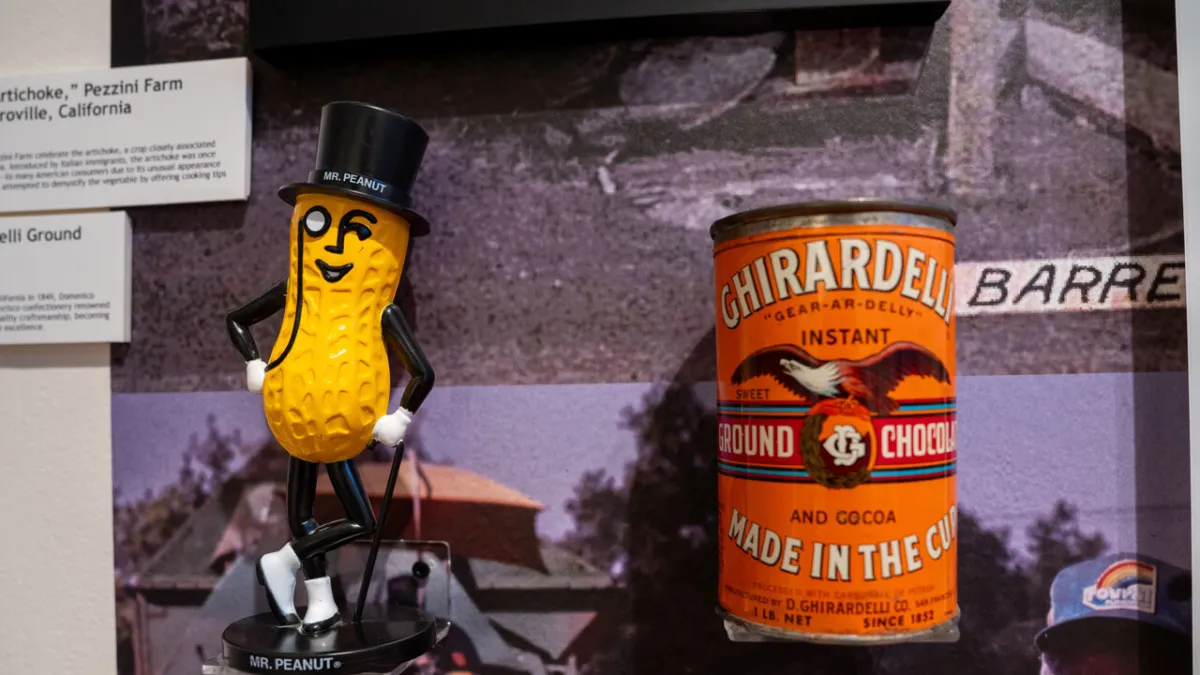
LOS ANGELES – A grand exhibition revealing the history and influence of Italian-American culinary integration is now captivating visitors in Los Angeles. This display, which deeply explores how immigration has shaped the gastronomic landscape of the United States, highlights the evolution of iconic food brands and popular dishes like the Big Mac, which are inseparable from the touch of immigrant culture.
This exhibition is not merely a visual feast; it is a complex narrative of identity and adaptation. The exhibition curators explain that classic Italian dishes brought by millions of immigrants have transformed, blended with local tastes, and ultimately created the 'American flavor' we know today.
From food brands that are now an integral part of American kitchens to pioneering restaurants, this exhibition illustrates the long journey of a culture. Even global culinary innovations like the iconic Big Mac burger have inspirational roots that can be traced back to this rich cultural fusion, demonstrating how immigration truly shaped the United States.
The initiative behind this exhibition stems from a group of culinary historians and cultural institutions who felt it necessary to document the crucial role of Italian immigrants in forming the nation's gastronomic identity. They argue that understanding this history is vital for appreciating the diversity that is America's strength.
Opened in the spring of 2026, the exhibition, located in one of the leading art galleries in the heart of Los Angeles, has garnered widespread attention. Through historical artifacts, ancient recipes, and interactive installations, visitors are invited to delve into the stories behind every bite.
One visitor stated, 'I never realized how deeply Italian cuisine influenced everyday American food. It's truly eye-opening.' This sentiment reflects a common feeling that the exhibition successfully educated the public about an often-overlooked narrative.
This process of culinary integration was not always smooth. Initially, Italian food was often viewed as exotic cuisine or consumed only by specific communities. However, over time, through adapting local ingredients and adjusting flavors, dishes like pasta, pizza, and tomato sauce became familiar on American family dinner tables.
The correlation between immigration and popular dishes is not limited to traditional Italian foods. The concept of efficient fast-food restaurants, for example, evolved with the needs of urban society. Although the Big Mac is an American icon, the creation process of global dishes is often influenced by adaptations and innovations from various cultures. This mirrors McDonalds efforts to revitalize their signature burger, continuously adapting to global market tastes.
This exhibition's history also reaffirms the statement that immigration is the primary driver of American identity formation. Every wave of immigrants, from Italy to other nations, brings traditions, expertise, and of course, flavors that enrich the mosaic of American culture.
The exhibition is expected to serve as a bridge for intergenerational dialogue, inviting the public to celebrate the multicultural heritage that has shaped America. It also serves as a reminder that behind every favorite dish, there often lies a long story of displacement, struggle, and adaptation.
Editorial Insight: Exhibitions of this nature are crucial for presenting a more complete and inclusive historical narrative. In the context of the United States, which continues to grapple with issues of identity and immigration, highlighting the significant contributions of immigrant communities through a universal medium like food is a smart and effective approach. This is not merely about cuisine; it is about recognizing the fundamental role of immigration in nation-building.