 Dorry Archiles

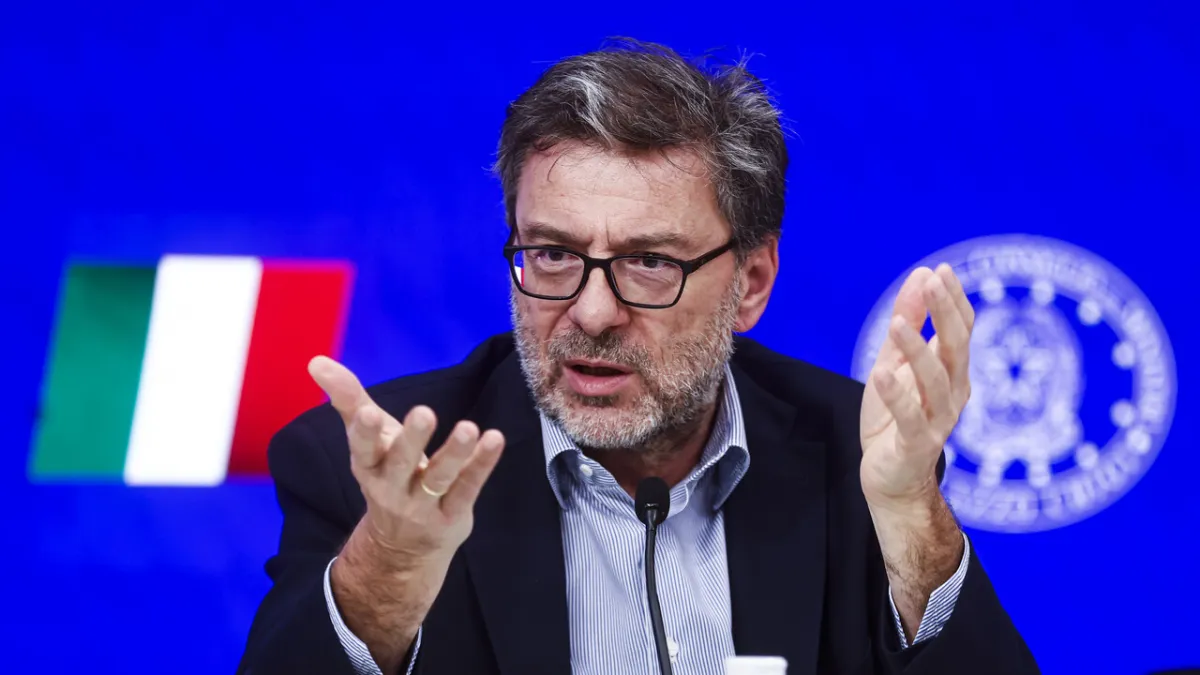
BRUSSELS – European Union Commission Executive Vice-President Valdis Dombrovskis announced that Italy has demonstrated compliance with EU fiscal recommendations, with fundamental budget corrections scheduled for full implementation in 2026. This statement, delivered in Brussels, affirms Italy's crucial step in maintaining financial stability amidst global economic fluctuations.
Dombrovskis underscored the importance of this measure for the eurozone's integrity. According to him, Italy's decision to adopt a 'slightly restrictive budget orientation' is a strong indicator of the country's commitment to fiscal discipline and the EU's macroeconomic framework.
This corrective action has become a primary focus in the aftermath of the pandemic and energy crises, which prompted many member states to reassess their fiscal policies. Italy, with its substantial public debt, has been under close scrutiny to ensure its financial sustainability.
Italy's compliance with EU recommendations is expected to boost market and investor confidence in the country's economy. This serves as a positive signal amid the often-prevailing concerns surrounding the broader European economic outlook.
The correction process, set to begin in 2026, is not merely about spending cuts but also involves a restructuring of expenditure priorities to achieve greater efficiency. The Italian government is expected to balance fiscal discipline with support for sustainable economic growth.
Interestingly, on the same occasion, Dombrovskis also highlighted Germany's situation. Despite Germany's budget deficit exceeding the 3% GDP limit, Brussels decided not to initiate an excessive deficit procedure against Europe's largest economy. This decision sparked debate regarding the consistent application of fiscal standards among EU member states.
According to the European Commission, Germany's distinct conditions, including long-term growth projections and ongoing fiscal consolidation efforts, were taken into consideration. However, this situation illustrates the complexity of managing a uniform fiscal framework for such a diverse economic bloc.
Looking ahead to 2027, Dombrovskis outlined three key pillars that will form the foundation of EU action: competitiveness, stability, and innovation. These pillars are designed to strengthen Europe's economic foundations, making them more resilient to future challenges and competitive on the global stage.
Competitiveness will be fostered through policies supporting business and investment, while stability will be maintained through continuous fiscal oversight and cautious monetary policies. Innovation, as the engine of long-term economic growth, will be nurtured through investments in research and development and the adoption of new technologies.
These initiatives align with the EU's ambition to remain a key player in the digital and green economies. Active involvement from all member states, including Italy, will be crucial for realizing this vision in 2027 and beyond.
Amidst the 2026 global economic dynamics, this EU move should also be linked to ongoing discussions about the EU-Mercosur Trade Agreement, which could add new complexities or opportunities for the bloc.
Editorial Insight: The EU's decisions regarding Italy and Germany reflect a pragmatic approach that balances fiscal rules with the economic realities of each nation. While Italy has shown commitment, the challenge of implementing a tight budget without hindering growth will be the real test. Meanwhile, the special treatment of Germany, though argued based on context, may raise questions about equitable treatment among member states. Fiscal stability is vital, but flexibility and context must also be crucial considerations in navigating Europe's economic future, especially given the potential for economic stagnation in Germany.