 Debby Wijaya

MOSCOW – Russia's digital asset market is poised for significant upheaval in December 2026. Buyers of the stablecoin USDT on the Moscow Exchange will bear a 22% Value Added Tax (VAT) on top of the transaction price, following the absence of explicit exemptions for foreign digital instruments in the country's tax code. This policy threatens to dampen investor enthusiasm amidst Russia's efforts to integrate cryptocurrencies into its financial system.
The decision to apply a 22% VAT is not without reason. Official sources state that Russia's current tax regulations do not specifically differentiate between traditional financial instruments and foreign digital assets. Therefore, cryptocurrency transactions, such as those involving USDT, are automatically subject to the standard applicable VAT rate.
The implications of this policy are substantial. Such a significant tax burden could reduce the attractiveness of investing in digital assets through official channels. Several market observers anticipate this will prompt some investors to revert to higher-risk P2P (peer-to-peer) markets or unregulated platforms.
The Moscow Exchange (MOEX) itself has expressed serious interest in becoming a regulated hub for digital asset trading. The opening of crypto trading on this exchange was expected to provide greater transparency and security for investors. However, the imposition of a 22% VAT presents a serious challenge to this vision.
Pavel Durov, founder of Telegram, has previously voiced similar concerns about excessive crypto regulation in various countries. This policy reflects a dilemma many governments face: how to harness the potential of crypto innovation while ensuring tax compliance and financial stability.
The crypto regulatory environment varies widely across different nations. Some countries, like South Korea, have taken proactive steps in regulating stablecoins and reopening initial coin offerings (ICOs), as highlighted in the article South Korea Shakes Crypto: Banks Control Stablecoins, ICOs Reopened!. This contrast demonstrates the diversity of global approaches.
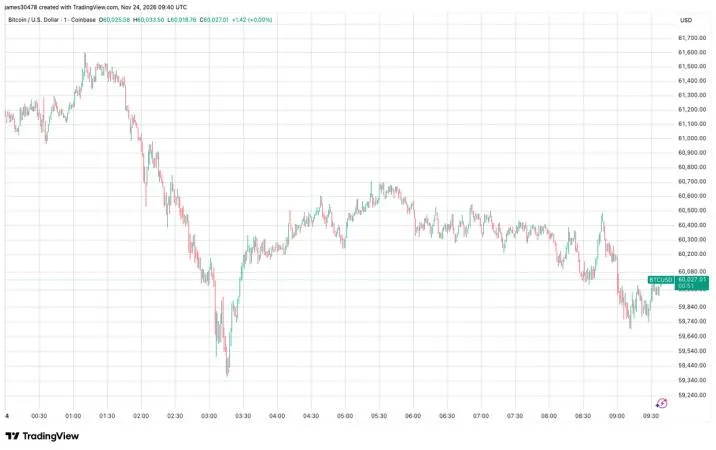
Meanwhile, global crypto markets are also under pressure. Significant fluctuations in Bitcoin's price, such as the sharp decline in early 2026, add to investor uncertainty. Articles like Crypto Turmoil 2026: Bitcoin Plunges Below $60,000, Nvidia Effect Fades? and Bitcoin Volatility: Huang Returns, Crypto Prices Rebound but Not Fully underscore the volatility that remains characteristic of this market.
Russian authorities face a difficult task. They must balance fostering financial technology innovation with ensuring state revenue from this rapidly growing sector. Without a clear and adaptive regulatory framework, the risk of losing out on potential benefits from crypto adoption will only increase.
Local entrepreneurs and investors hope the Russian government can promptly review or introduce amendments to their tax code. The primary goal is to create a more conducive investment climate for digital assets, which can ultimately drive economic and technological growth.
Some financial legal experts argue that imposing a 22% VAT on foreign digital instruments without exemption is a step backward. They suggest that new categories or more specific definitions of digital assets need to be added to tax legislation.
This situation is a serious concern for the global crypto community. Russia is an important player in the world economic landscape, and its regulatory decisions could influence broader market sentiment.
Editorial Insight: Russia's decision to implement a 22% VAT on USDT purchases on the Moscow Exchange starting December 2026 highlights the inherent challenges of integrating digital assets into traditional tax frameworks. While aimed at ensuring compliance and state revenue, this high tax burden risks impeding the growth of legitimate crypto markets and pushing transactions towards unregulated spheres. The Russian government needs to promptly align its tax regulations with the unique dynamics of the digital asset market to foster innovation while maintaining fiscal integrity.