 Edward DP Situmorang
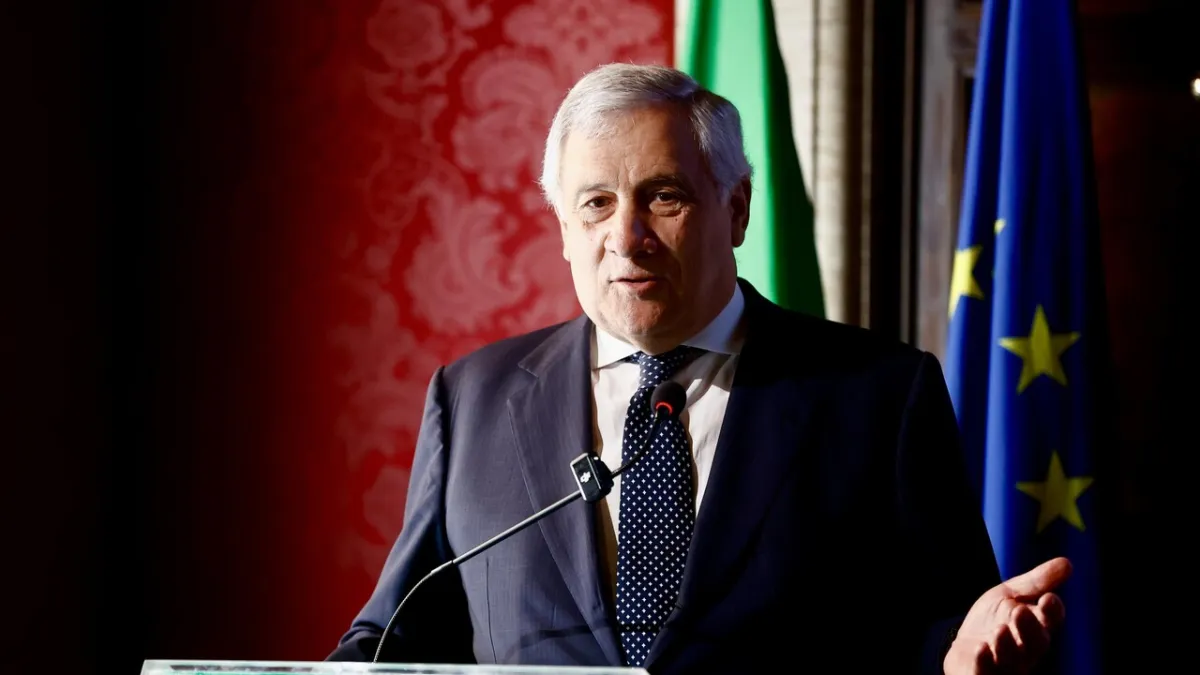
Rome — Italy officially expelled two military attachés from the Embassy of the Russian Federation in Rome in 2026. This drastic decision was made following alleged espionage activities, which Italian Foreign Minister Antonio Tajani described as “serious and unacceptable interference”. The diplomatic incident triggered a harsh response from Moscow, which immediately vowed retaliation, potentially further straining already tense bilateral relations.
This expulsion highlights European nations' increasing vigilance against potential foreign intelligence threats amidst an increasingly complex global geopolitical landscape. Tajani, in his statement, emphasized that Italy's national integrity and security are paramount, and such actions will not be tolerated.
“We have identified activities inconsistent with their diplomatic status,” Tajani stated during a press conference at the Ministry of Foreign Affairs. “Italy will not hesitate to take strong measures to protect its interests. This is a serious violation of our sovereignty.”
The Russian Embassy in Rome has not yet issued an official statement regarding the identities of the expelled attachés but confirmed receiving a diplomatic note from the Italian government. TASS news agency reported that the Russian Foreign Ministry promptly responded, labeling the incident as “unsubstantiated provocation” and promising “reciprocal measures.”
Moscow's promise of retaliation indicates potential expulsions of Italian diplomats from Russia in the near future, a common pattern in similar inter-country incidents. Such diplomatic escalation adds to the long list of tensions between Russia and Western nations in recent years.
International political analysts view this incident as a reflection of increased Russian intelligence activities in Europe. Experts predict that Russia aims to gather strategic information regarding defense policies, technology, and the positions of NATO member states, including Italy, which plays a significant role in the alliance.
This event should also be considered within the context of Italy's increasingly assertive foreign policy under the current government. As highlighted in our article about Meloni Shakes NATO: Italy Demands New Priorities for Sustainable Commitment 2026, Italy is actively reshaping its role on the international stage, including in security matters.
This expulsion is not the first between Italy and Russia. Historically, several similar frictions have occurred between the two countries, especially after Russia's invasion of Ukraine, which prompted many European countries to take harsh measures against Russian diplomatic personnel suspected of involvement in non-diplomatic activities.
The short-term impact of this incident will likely manifest in restricted diplomatic interactions and perhaps ongoing bilateral projects. The resulting tension could affect cooperation in various sectors, although formal communication channels are expected to remain open.
The Italian government asserts that this step is not intended to sever relations completely but rather to affirm the principles of sovereignty and national security. However, it is clear that this incident will be a focal point in Italy-Russia relations for some time to come, with further potential escalation that the international community needs to monitor.
This escalating diplomatic tension could also affect the broader European security landscape, consistent with efforts by countries like Germany to strengthen its strategic defense. Italy, as a G7 and NATO member, is at the forefront of maintaining stability and responding to global threats.
Italian security and intelligence agencies continue to closely monitor the situation, ensuring no further 'interference' jeopardizes national interests. The public is urged to remain calm while following further developments in this sensitive diplomatic case.