 Angela Stefani
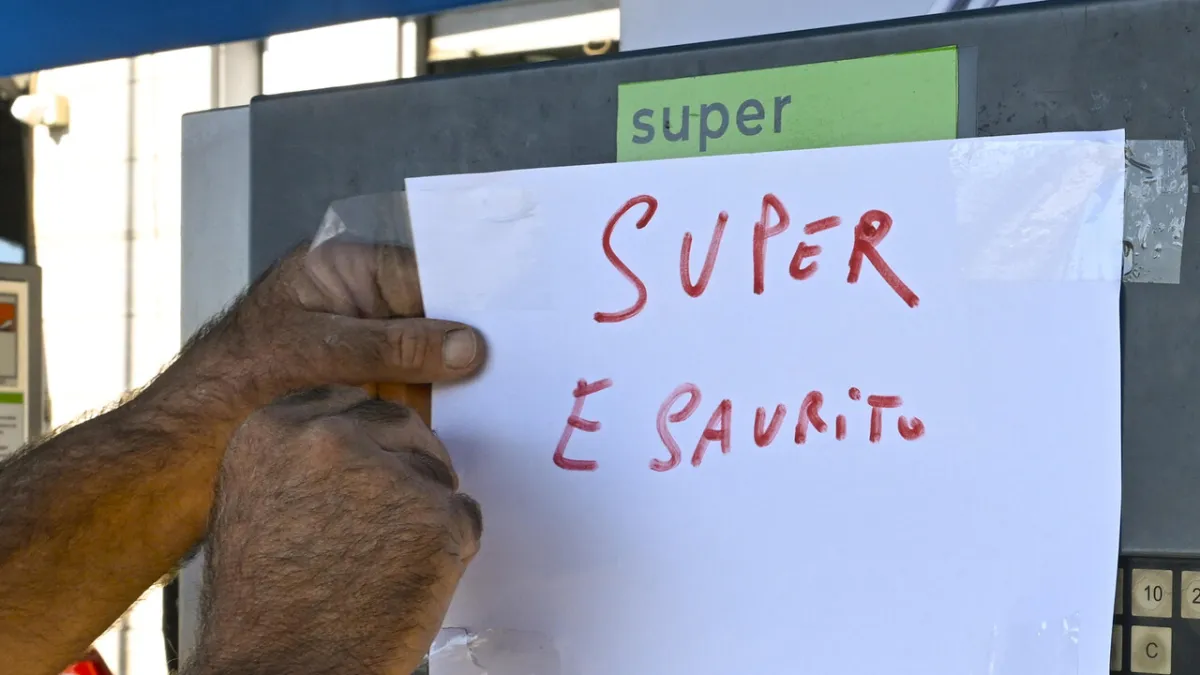
ROME – Fuel operator Q8 has officially implemented a price cap policy on its products across Italy. This strategic move has been positively received by the government, with Minister Pichetto explicitly stating that the price discount for diesel fuel will continue, effective from October 6, 2026, providing clarity for millions of consumers.
This price cap policy is an extension of previous government initiatives to stabilize energy costs amidst global market fluctuations. Q8, as a major player in the fuel distribution sector, now follows in the footsteps of other companies in implementing price limits to curb inflation and maintain public purchasing power.
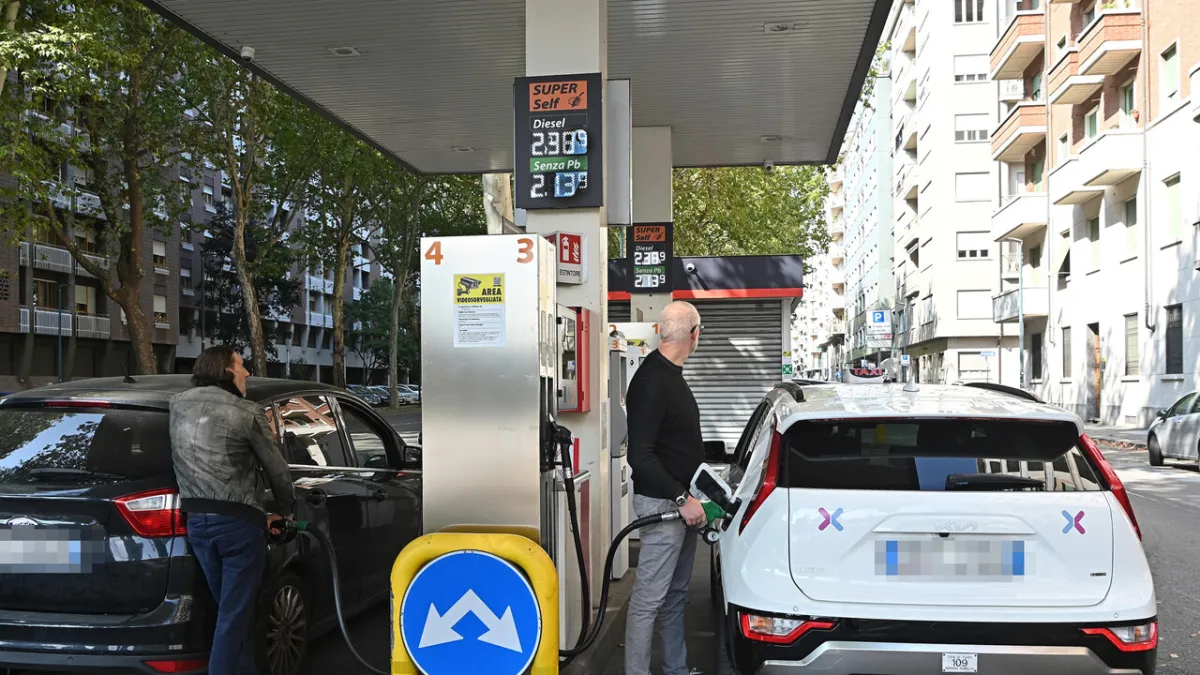
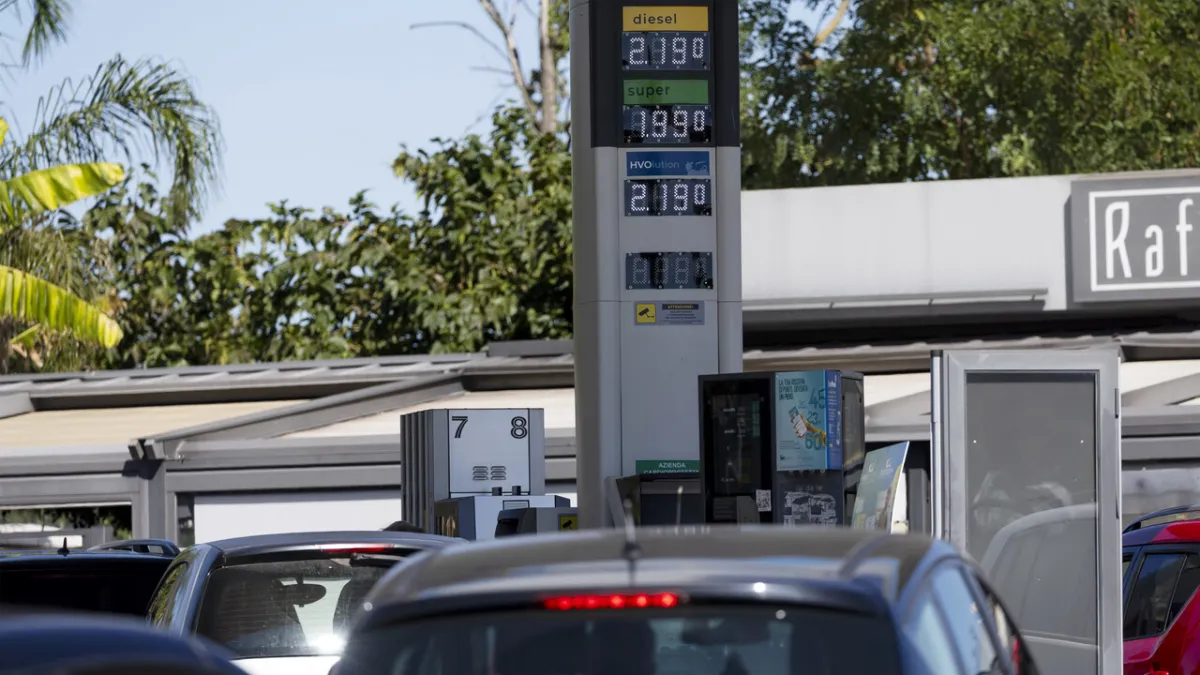
The Ministry of Enterprises and Made in Italy (MIMIT) announced that fuel price trends show a significant decline. MIMIT's latest data as of today recorded self-service petrol prices on highways below 2.2 euros per liter, a figure reflecting a decrease from the previous period.
Diesel fuel prices also show controlled movement, averaging 2.383 euros per liter at highway self-service locations. These figures confirm the effectiveness of government intervention policies in maintaining price stability in the retail market.
Minister Pichetto's emphasis on the continuation of the diesel discount demonstrates the government's commitment to supporting the transportation and logistics sectors, which heavily rely on this type of fuel. The discount, effective from October 6, 2026, is expected to reduce operational burdens for drivers and businesses.
Fuel price caps and discounts are not new in Italy. Previously, the government has undertaken various similar interventions, which sparked diverse reactions from different parties. Further information regarding the fuel price cap initiative that affected Eni Italia and IP stations can provide important context for understanding current market dynamics.
Q8's implementation of the price cap adds to the long list of fuel providers participating. This creates a healthier competitive environment while providing price certainty for consumers. The public no longer needs to worry about sudden price surges, at least for products included in this scheme.
Some time ago, fuel price caps in Italy previously sparked protests from the taxi sector, even though Prime Minister Giorgia Meloni guaranteed subsidies. This illustrates the complexity of balancing consumer interests, operators, and the nation's fiscal sustainability.
These latest developments should also be viewed in the context of how Socar and Eni offered discounts as part of efforts to keep prices stable. Q8's participation now completes the market landscape, ensuring consumers have more choices with controlled prices.
Despite the declining price trend, vigilance remains necessary given global geopolitical volatility that can at any time affect crude oil supply and prices. The Italian government, through MIMIT, will continue to monitor the situation to ensure national energy stability.
This policy is expected to not only provide direct financial benefits for households and small businesses but also support overall economic recovery. Access to more affordable fuel is a crucial pillar in keeping the economy running.
Price transparency is a key focus of this policy, with gas stations required to display government-mandated standard prices alongside their selling prices. This enables consumers to make more informed purchasing decisions.
Editorial Insight: The expansion of the fuel price cap policy, now including Q8, coupled with Minister Pichetto's assurance of diesel discounts, indicates a proactive strategy by the Italian government to curb inflationary pressures. This move, while garnering public support, will face long-term challenges concerning fiscal sustainability and market adaptation. Its true success will hinge on balancing price stability with investment incentives in the energy sector.