 Robert Andrison
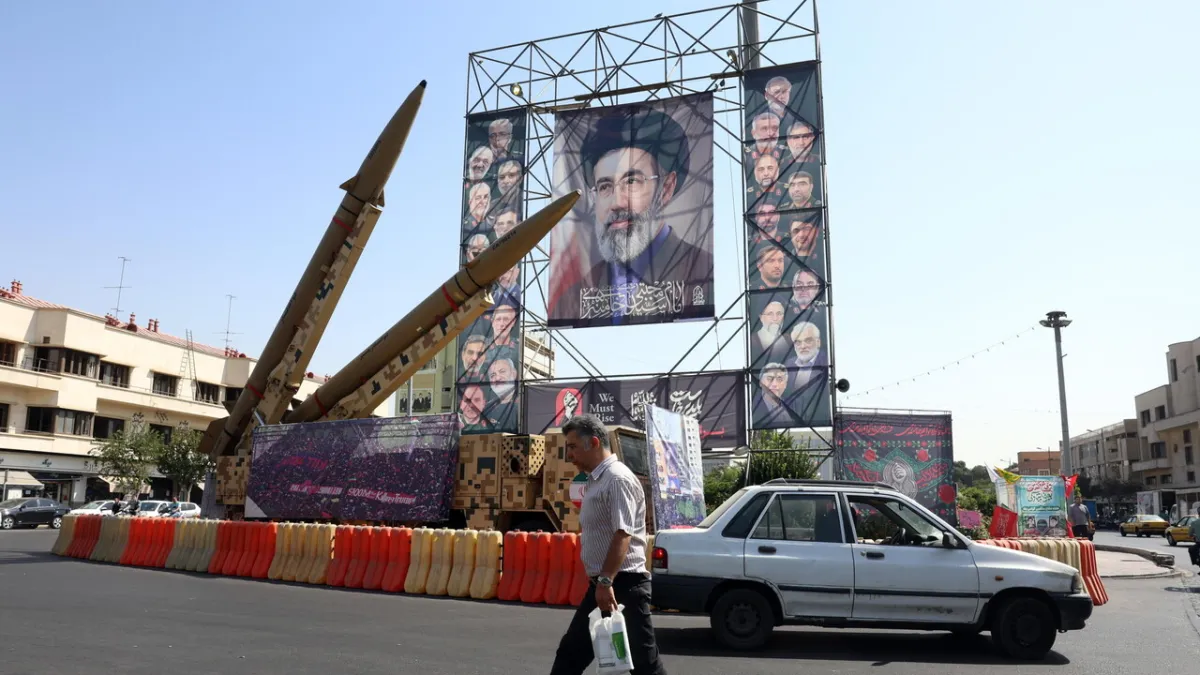
TEHRAN – Diplomatic tensions between Tehran and President Donald Trumps administration reached a new peak today, February 26, 2026. Iran explicitly warned that if it is prohibited from selling oil, then no other country will be able to do so. This threat emerges amid Tehrans anticipation of Washingtons response to proposals submitted via Qatari mediators regarding the situation in the Strait of Hormuz.
Irans Deputy Parliament Speaker, Mohammad Bagher Ghalibaf, sternly stated, 'No one will be safe if we are not safe either.' This statement underscores Irans escalation of threats from the economic sector to a potentially broader security issue, adding a new dimension to the long-standing friction between the two major powers.
In a separate development, Iranian Foreign Minister, Sayed Abbas Araghchi, confirmed that Tehran expects an answer from the United States today regarding strategic issues in the Strait of Hormuz. 'We have conveyed various proposals through Qatari mediation, and we await a response from the US side,' Araghchi said.
The Strait of Hormuz, a vital conduit for one-fifth of global oil supply, is the epicenter of this tension. Potential disruptions to shipping lanes in the strait could trigger a global energy crisis, given the international markets reliance on the stability of oil shipments from the Persian Gulf.
Irans threat to disrupt oil shipments in Hormuz is not new. It is a tactic frequently employed in response to economic sanctions imposed by the United States. Donald Trumps administration, which returned to office in 2025, has adopted a firm stance against Iran, particularly concerning Tehrans nuclear program and regional activities.
Irans economy is heavily dependent on oil exports. Restrictions on access to global markets due to sanctions have severely impacted state revenues, fueling domestic pressure and prompting Tehran to seek ways to push back against Washington.
Qatari mediators play a crucial role in efforts to de-escalate tensions. Dohas role as a communication channel allows for the exchange of messages and proposals between the two parties, which lack direct diplomatic relations. The success of this mediation will significantly determine the future direction of the conflict.
This situation raises serious concerns within the international community. Rising global oil prices, regional destabilization, and the potential for military confrontation loom large if tensions continue to escalate and no diplomatic solution is found promptly.
Geopolitical analysts view Irans statement as an attempt to strengthen its bargaining position at the negotiating table. Tehran aims to demonstrate that it holds a trump card capable of disrupting global economic interests if its demands are not met.
Donald Trumps administration in Washington, known for its firm foreign policy, is expected to face a dilemma. On one hand, maintaining maximum pressure on Iran is a priority; on the other hand, avoiding escalation that harms the global oil market and regional stability is also a crucial consideration.
The global public anxiously awaits the outcome of the ongoing negotiations. The United States response today will be an important indicator of how this crisis will unfold. Whether dialogue will continue or tensions will further intensify, only time will tell.
Editorial Insight: This escalation of rhetoric from Tehran is more than just a mere bluff. It signals that Iran feels cornered by sanctions and is ready to take drastic steps with global implications. The ball is now in Washingtons court. President Donald Trumps decision will determine whether the situation de-escalates through more constructive diplomatic channels or further fuels uncertainty in the Middle East and global energy markets. Qatars mediating role is vital, but the ultimate outcome heavily depends on the political will of both parties to compromise for greater stability.