 Dorry Archiles
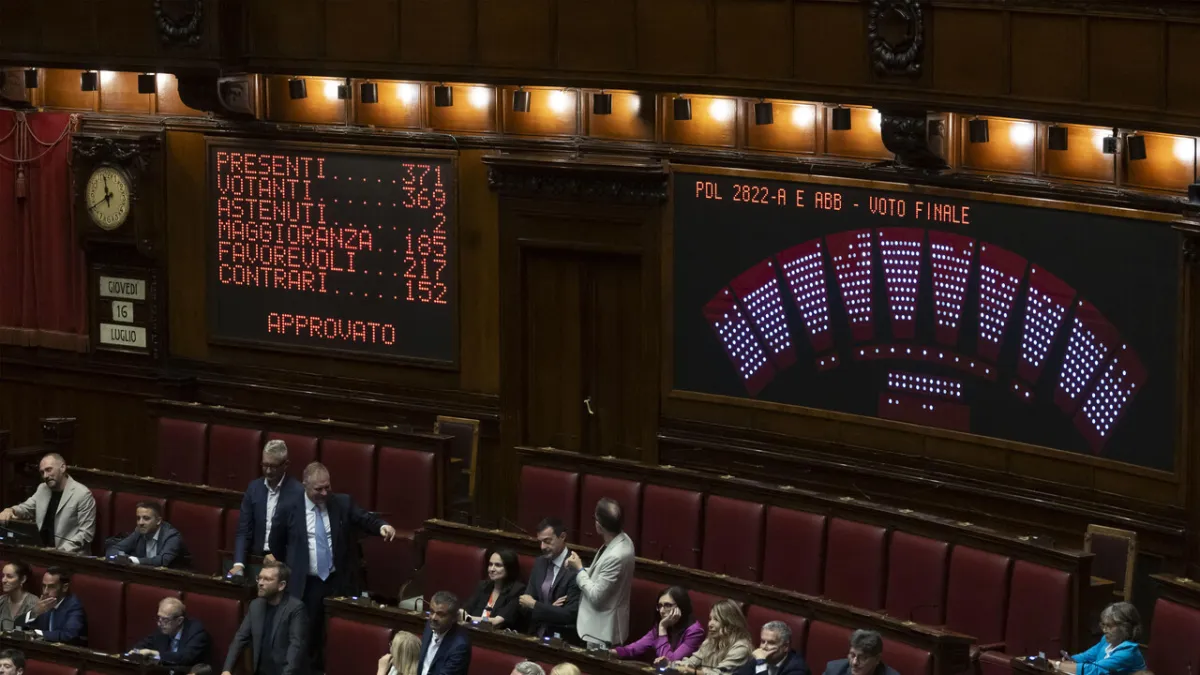
ROME — Italy has officially implemented significant electoral law reforms, including the introduction of an off-site voting system for citizens abroad, known as 'voto fuorisede'. This transformative step aims to strengthen democratic participation ahead of the 2026 political contests, while also revising the geographical areas of overseas constituencies for the diaspora.
This new policy marks an era of fundamental change in the Italian political landscape. Italian citizens residing in various parts of the world now have a clearer and more efficient mechanism to voice their political aspirations. The Italian government emphasizes that this reform is a response to demands for fairer and more inclusive representation.
The main substance of this change lies in 'voto fuorisede'. This system allows Italian citizens who are outside the administrative boundaries of their registered residence to still exercise their right to vote. This implementation is projected to drastically increase voter turnout, especially from the diaspora community who previously faced logistical constraints.
Furthermore, the revision of geographical areas within the 'circoscrizione Estero' or overseas constituencies is a crucial point. These adjustments are designed to ensure more proportional and relevant representation, given the evolving dynamics of the Italian population distribution across various continents. Geographical boundaries are now being reviewed for the effectiveness of the electoral process.
This decision stems from a series of lengthy parliamentary debates. The history of electoral reform discussions in Italy is indeed rich with dynamics, as recorded in the discourse surrounding Italian Political Storm: Electoral Law Fails, Ruling Coalition Split! which once shook the governing coalition.
Political observers predict that these changes will have major implications for the 2026 elections. Votes from the diaspora, often considered a unique voting bloc with distinct perspectives, have the potential to shift the balance of power among domestic political parties. Parties must now intensify campaigns abroad.
The motivation behind this reform is not solely to increase voter numbers. The government also seeks to strengthen the ties between Italy and its millions of citizens scattered worldwide, making them an integral part of national decision-making processes. This is an effort to renew the meaning of citizenship in a global context.
Previously, the electoral system often faced criticism regarding accessibility for citizens abroad. Complicated and inflexible processes frequently hindered participation. This reform is expected to be the answer to these problems, simplifying bureaucracy and leveraging modern technology to facilitate voting.
However, implementing a policy of this magnitude is certainly not without challenges. Thorough logistical preparations, massive socialization to citizens abroad, and ensuring the integrity and security of the voting system are major tasks for electoral authorities. Voter education is key.
Moreover, the urgency of Italian Electoral Law Reform: Parliament in Peril, Political Future Hangs! has long been a focal point. With the enactment of this reform, Italy hopes to build a stronger democratic foundation adaptable to the 21st-century global reality. This is not just a technical change, but a strategic investment in the nation's political future.
Optimism surrounds proponents of this policy, who see it as a step forward for Italian democracy. Universal suffrage will be more fully realized, giving a voice to those who, despite being geographically distant, maintain strong ties to their homeland and have a vested interest in the country's future direction.
On the other hand, some parties also express concerns about potential manipulation or complexity in counting votes from overseas constituencies. Transparency and accountability are vital elements that must be guaranteed by the electoral commission to maintain public trust.
The Italian Electoral Commission has begun intensive preparations to ensure all new mechanisms run smoothly. Staff training, digital infrastructure development, and information campaigns are being actively carried out to achieve optimal readiness before the 2026 elections arrive.
Through this reform, Italy is not only updating its laws but also reaffirming its commitment to inclusive and representative democratic principles. This bold move will be observed by many other countries also facing the challenges of diaspora political participation.