 Chandra Wijayanto
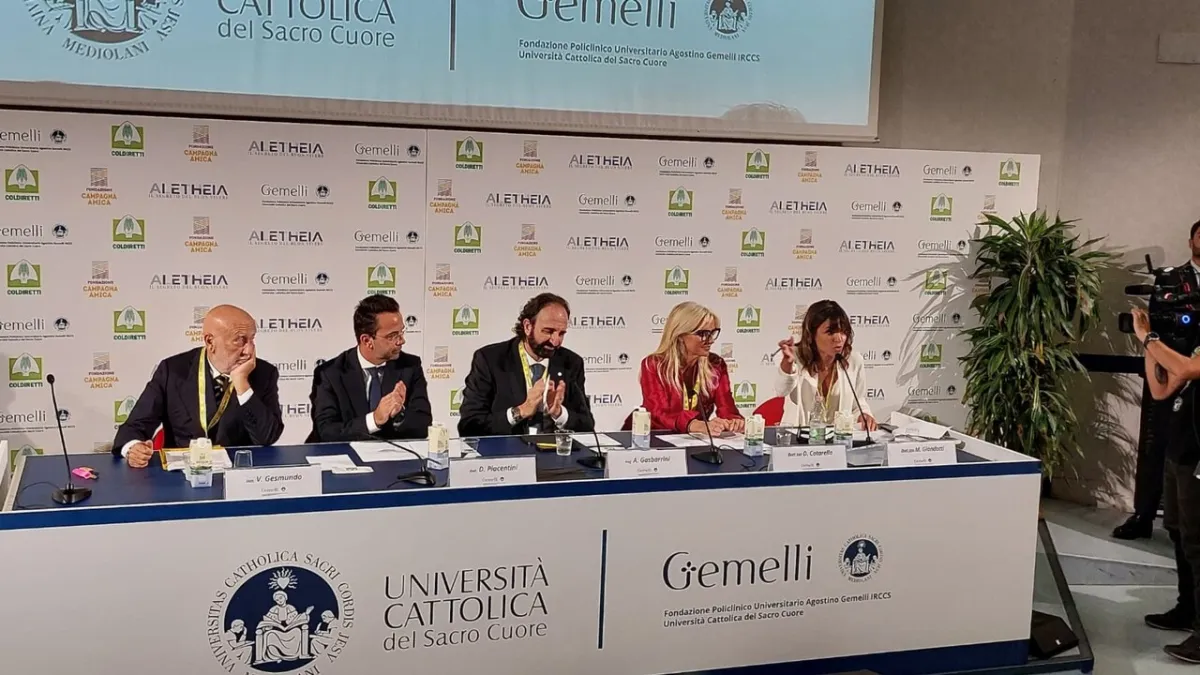
ROME — A startling report from Coldiretti-Censis in 2026 reveals that almost half of the Italian population routinely consumes savory snacks at least once a week. This phenomenon emerges as an ironic paradox, given that the same survey shows 97 percent of Italians fully understand the urgency of a balanced diet for their health.
The study, which highlights the consumption habits of 'cibo spazzatura' or junk food, details the high prevalence of savory snack consumption among the populace. These findings spark debate regarding the disparity between nutritional knowledge and daily dietary practices.
The definition of savory snacks in the report's context includes various products, from crisps, savory biscuits, to processed fast foods. The routine consumption of these products, even if only once a week, potentially poses long-term impacts on public health.
The statistic of 97 percent of Italians being aware of the importance of healthy nutrition is central to this dilemma. This figure reflects a good level of education and information regarding diet. However, this awareness does not appear to be fully internalized in consumption choices.
Nutrition experts point out that while people understand the theory, its application in life is often hindered by practical factors. Factors such as busy schedules, stress, and the accessibility of snacks are primary triggers, according to a nutrition expert, emphasizing that convenience often overrides health considerations.
The potential impact of this habit on public health cannot be ignored. Excessive salt consumption is strongly linked to an increased risk of hypertension, heart disease, and kidney problems. The rising incidence of non-communicable diseases is a serious concern among Italian health authorities.
The Coldiretti-Censis report, from Italy's largest farmers' confederation, also highlights how this trend contradicts the rich Mediterranean culinary heritage abundant in fruits, vegetables, olive oil, and grains. This dietary shift is seen as a threat to the national gastronomic identity.
The Italian government and public health institutions face the challenge of bridging the gap between nutritional awareness and consumption behavior. More intensive educational programs and regulations related to the promotion of unhealthy foods will likely be key agenda items.
Integrating a healthy lifestyle, not just knowledge, is crucial. The relevant article "Experts Reveal Secrets to 10 Years of Healthy Living After 50" (read here) provides an additional perspective on the importance of consistency in maintaining a diet.
Coldiretti, as an organization also active in promoting local agricultural products and healthy foods, views these study results as a call to action. They argue that supporting fresh, local food supply chains can be an effective solution.
The economic implications of dietary shifts are also significant. Increased demand for processed foods impacts traditional agricultural sectors. Coldiretti encourages consumers to choose fresh products from local farmers.
These eating habits are also relevant in a global context, where many countries face similar challenges related to processed food consumption and modern lifestyles. Italy, with its reputation as a healthy culinary mecca, is now also feeling this pressure.
The role of media and public health campaigns will be crucial in changing perceptions and habits. Given that most respondents understand the importance of nutrition, communication strategies need to focus on how to apply that knowledge in daily life.
This 2026 report is more than just statistics; it is a reflection of the evolution of modern society confronted with difficult choices between convenience and long-term health.
The challenge ahead is how to integrate healthy Italian culinary traditions with the demands of contemporary lifestyles, ensuring that high nutritional awareness also manifests on every citizen's plate.