 Stefani Rindus
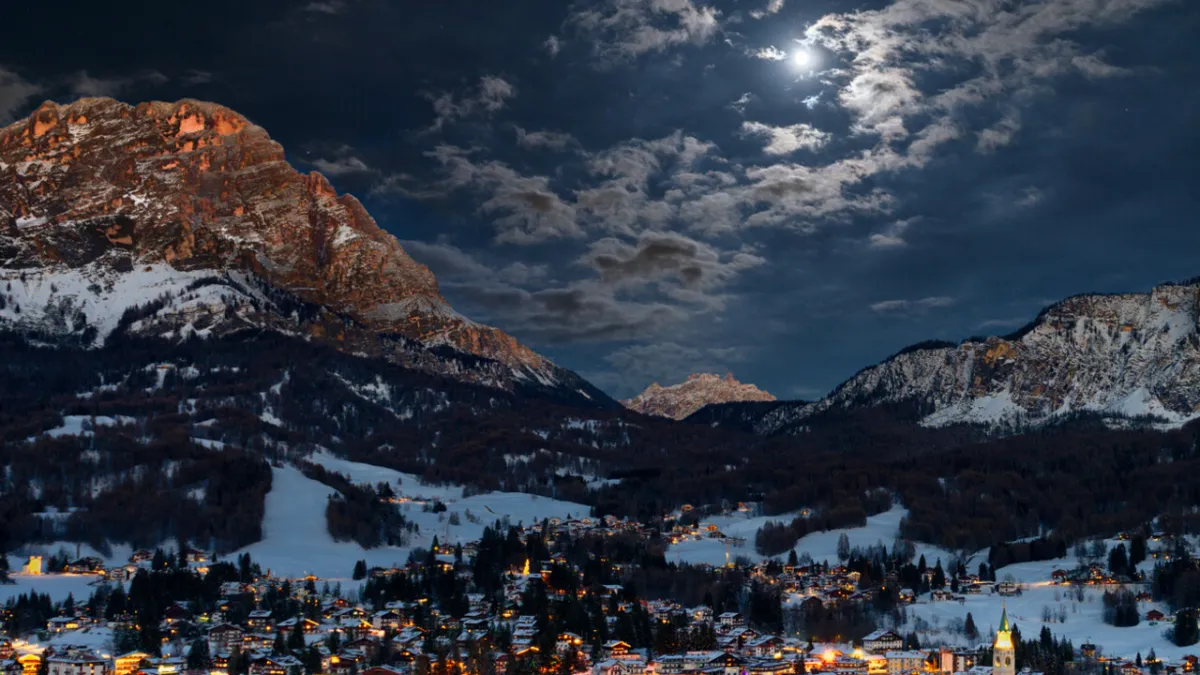
ROME – The landscape of Italian snow tourism witnessed a significant shift in 2026 after Alta Badia successfully claimed the top position as Italy's best ski resort. This outcome was announced in a comprehensive ranking released by JFC, a leading tourism survey institution. The announcement officially dislodged Cortina d'Ampezzo from its long-held throne, marking a new chapter in the competition of winter destinations in the Alps.
This shift in dominance surprised many, considering Cortina d'Ampezzo has long been a symbol of luxury and excellence among Italian ski resorts. However, the JFC report clearly indicates that Alta Badia, with its continuous innovation and improved service quality, now offers a superior experience for snow enthusiasts. Followed by Madonna di Campiglio and Bormio, this list confirms a new dynamic in the winter tourism industry.
The JFC ranking does not merely measure popularity but also evaluates various critical aspects that determine the quality of a resort. The assessment methodology includes infrastructure, ski trail conditions, environmental sustainability, customer service, supporting facilities, and technological innovations in resort management. Alta Badia's superiority in several crucial categories is believed to be the main key to its success in ascending the throne.
According to JFC spokesperson Luigi Rossi, this shift reflects the resorts' adaptation to evolving market demands. Tourists are now looking for more than just good ski slopes. They desire a holistic experience, which includes sustainability, digital innovation, and satisfying personal service. Alta Badia has shown extraordinary commitment in meeting these expectations, Rossi stated during a virtual press conference held yesterday.
Alta Badia, located in the heart of the Dolomites, has invested heavily in recent years. Increased ski lift capacity, modernization of environmentally friendly artificial snowmaking systems, and the development of mobile applications to facilitate navigation and information for visitors are some of the supporting factors. Culinary initiatives that highlight local gastronomy with Michelin-starred restaurants also add to its appeal.
Meanwhile, Cortina d'Ampezzo, known as the Queen of the Dolomites, now faces the challenge of adapting. Although it still maintains its reputation as a luxury destination and will host international sports events, the number two position in this ranking serves as an important signal. Cortina's resort management stated that they will continue to innovate and focus on its historical heritage and unique cultural experiences.
Fierce competition is not only at the top. Other resorts such as Madonna di Campiglio and Bormio are also continuously raising their standards. Madonna di Campiglio is known for its vibrant nightlife and challenging ski slopes, while Bormio is popular for its natural hot springs offering relaxation after snow activities. The presence of these strong resorts makes Italy one of the most diverse snow tourism destinations in the world.
The impact of this ranking shift is expected to be felt in the local economic sector. Top-ranked resorts often experience a surge in tourist visits and investments. This can create new job opportunities and drive business growth in the region. Local governments are expected to leverage this momentum to develop infrastructure and promote sustainable tourism.
In a broader context, this trend also indicates that the global snow tourism industry is undergoing a transformation. Climate change affecting the availability of natural snow compels resorts to invest in snowmaking technology and other adaptation strategies. The most responsive and innovative resorts will be the winners in the future.
This shift in dominance is a clear reflection of healthy competition that drives every destination to continuously improve and enhance quality. For tourists, this means more choices of high-quality ski resorts competing to offer the best experience. Italy once again proves its position as a mecca for European snow tourism.
Editorial Insight:
The displacement of Cortina d'Ampezzo from the top of Italy's ski resort rankings by Alta Badia in 2026 is more than just a statistical news item; it is a crucial indicator of evolving tourist preferences and the urgency of innovation in the tourism industry. Alta Badia's victory underscores that historical appeal and luxury alone are no longer sufficient. Modern resorts must be able to integrate sustainability, advanced technology, and immersive experiences. The challenge for Cortina and other established destinations is how to rejuvenate their image without sacrificing their core identity, while Alta Badia must maintain its innovative momentum to avoid being easily superseded. This dynamic will shape the future of Italian snow tourism, fostering healthier and value-oriented competition.