 Debby Wijaya
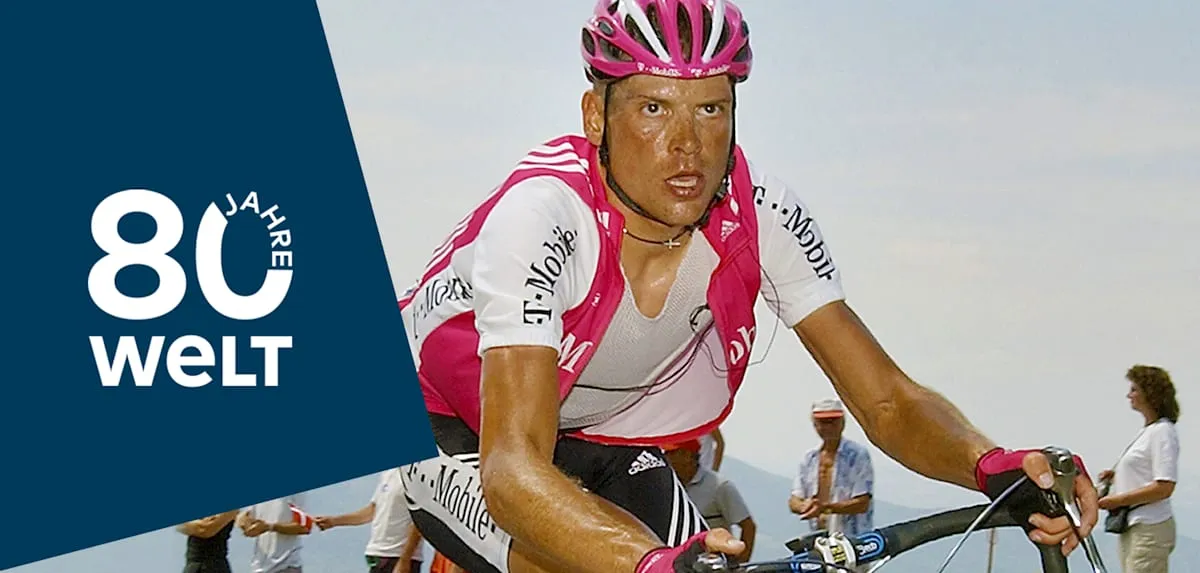
Berlin — Former Tour de France champion Jan Ullrich is once again in the public spotlight after a series of shocking confessions unveiled his dark past. Crucial moments before he decided to enter a rehabilitation clinic, including wild parties with biker gangs, routine cocaine use, and a bitter experience in a Spanish prison, are now revealed in the special "80 Years of WELT" series, captivating audiences in 2026.
Ullrich's story, as the only German cyclist to ever win the Tour de France, is a tragic narrative of a sporting hero's downfall. His glamorous life at the peak of his career seems to contrast sharply with the abyss of personal destruction he endured.
The "80 Years of WELT" documentary series delves deeply into the bitter fragments that shaped Ullrich's life journey, from an accomplished athlete to an individual nearly shattered by addiction. The documentary fearlessly exposes details that have long remained mere whispers.
One key focus is the crucial period before he sought professional help. Ullrich, in his confession, describes how he tried to maintain his life's magic trick—a facade concealing the addictive reality beneath. This was a desperate attempt to control his public image, even as his private world crumbled.
Wild parties with biker gangs and cocaine becoming an inseparable part of his daily life paint a grim picture of Jan Ullrich's suffering. This narrative provides crucial insight into the extreme pressures faced by top athletes, and the human fragility behind the spotlight.
His experience in a Spanish prison represents an undeniable rock bottom. That incident served as stark evidence of how far he had strayed from the path of glory he once forged on the world's cycling tracks.
Jan Ullrich's story is not just an individual tale but a reflection of the complexities of professional sports. Many athletes, after reaching their peak, struggle to find identity and purpose outside the competitive arena, sometimes leading to serious problems.
This phenomenon echoes broader discussions about psychological support for post-career athletes, an issue frequently raised in debates concerning Germany's struggles in major sporting events, as explored in the article Former Player Reveals Root of Germany's World Cup Failures, Is Klopp the Solution?.
The German public, who once hailed Ullrich as a national icon, is now confronted with this bitter reality. Reactions to the "80 Years of WELT" series vary, from sympathy to deep disappointment over the downfall of the legend.
Ullrich's honest confession, far from the heroic image that once defined him, is expected to be a valuable lesson for many. It demonstrates that behind the glittering achievements, there is a human struggle vulnerable to temptation and ruin.
The importance of rehabilitation and continuous support for individuals battling addiction once again becomes a hot topic. Ullrich's story serves as a reminder that recovery is a long process requiring commitment and a supportive environment.
"80 Years of WELT" reaffirms the national media's commitment to delivering investigative journalism that fearlessly uncovers the darker sides of public figures, for the benefit of public information and learning.