 Angel Doris
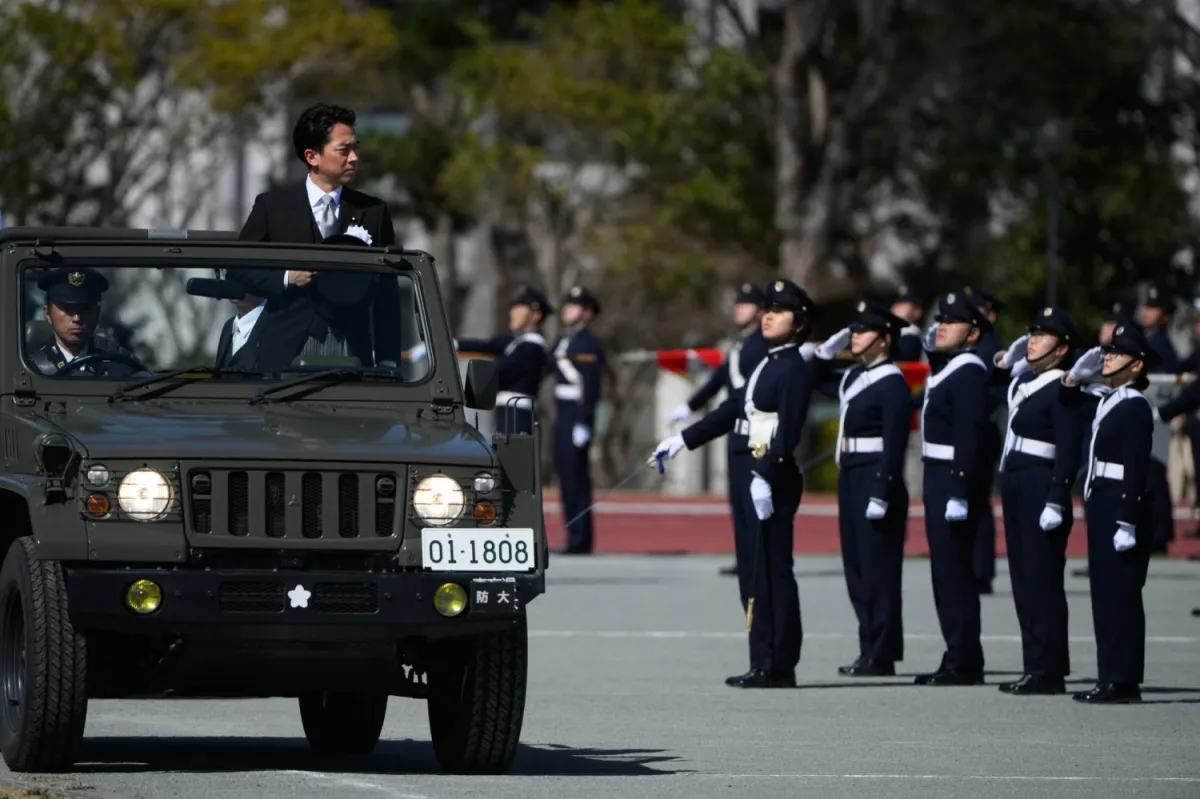
TOKYO – In a strategic move underlining a significant shift in its foreign policy, Japan is increasingly strengthening the role of defense attaches in its various diplomatic missions. The enhancement of these officers' capabilities and numbers is crucial as Tokyo aims to expand its defense equipment exports and bolster security cooperation amidst a volatile global geopolitical landscape in 2026.
This decision is not merely a routine personnel addition; it reflects Japan's long-term vision to become a more proactive player in regional and international security architecture, moving away from its post-World War II passive-defensive approach. Defense attaches serve as the vanguard of effective military diplomacy.
The role of defense attaches encompasses a wide spectrum, from strategic intelligence and facilitating military-to-military dialogue to identifying opportunities for defense industrial cooperation. They are vital bridges between Tokyo and its international partners, ensuring seamless communication and a deep understanding of evolving security needs.
Japan's expansion of defense equipment exports is a key pillar of this strategy. With cutting-edge technological innovations, Japan seeks to offer sophisticated defense solutions to nations with similar security interests, particularly in the Indo-Pacific region. This move is seen as an effort to diversify its defense industrial base while strengthening bilateral ties.
In this context, defense attaches have a dual role: as 'sellers' of military technology and 'builders' of trust. Their presence on the ground allows Japan to directly understand the operational needs of partner countries, while also demonstrating a long-term commitment to regional stability.
Prime Minister of Japan, Kishida Fumio, recently underscored the importance of robust defense diplomacy as part of the national security strategy. This indicates that the enhanced role of defense attaches aligns with the broader government narrative on security and prosperity.
The influence of these attaches will be deeply felt in the negotiation and implementation of defense cooperation agreements, joint military exercises, and the exchange of sensitive information. They act as Tokyo's eyes and ears on the front lines, providing invaluable input for the formulation of defense policies.
For instance, potential cooperation with countries in Southeast Asia or Australia in the development or procurement of air defense or maritime systems will heavily rely on the effectiveness of these attaches' work. Japan has also focused attention on its strategic industries, as seen from the government's policy towards organic chemicals. Read more at Japan Declares Organic Chemicals Critical Product, Protects Semiconductor Industry?.
However, the challenges faced are not insignificant. Competition in the global defense export market is fierce. Moreover, political sensitivities related to arms exports demand a careful and transparent approach from Japan, which constitutionally adheres to pacifist principles.
The success of this strategy will depend on the ability of defense attaches to not only forge good relations but also to effectively communicate the value and superiority of Japanese defense technology, while navigating the complexities of domestic regulations and politics in partner countries.
This enhanced security cooperation is also expected to serve as a counterbalance to shifting power dynamics in the region, including the increasing assertiveness of several major powers. Defense attaches serve as instruments for building stronger coalitions and partnerships.
This step marks a significant evolution in Japan's security policy, which is now no longer solely focused on its territorial defense but also on actively contributing to global stability and security through a stronger military diplomatic apparatus.
Editorial Insight: Japan's decision to strengthen its defense attaches is a clear indicator that Tokyo is ready to adopt a more assertive and expansive security posture. This is a pragmatic response to the 2026 geopolitical environment that demands nations invest more deeply in defense diplomacy. Its potential success will depend on how Japan balances economic ambitions, regional security needs, and its constitutional pacifist principles. This move could serve as a model for other nations seeking to bolster their military diplomatic presence on an increasingly competitive global stage.