 Gabriella
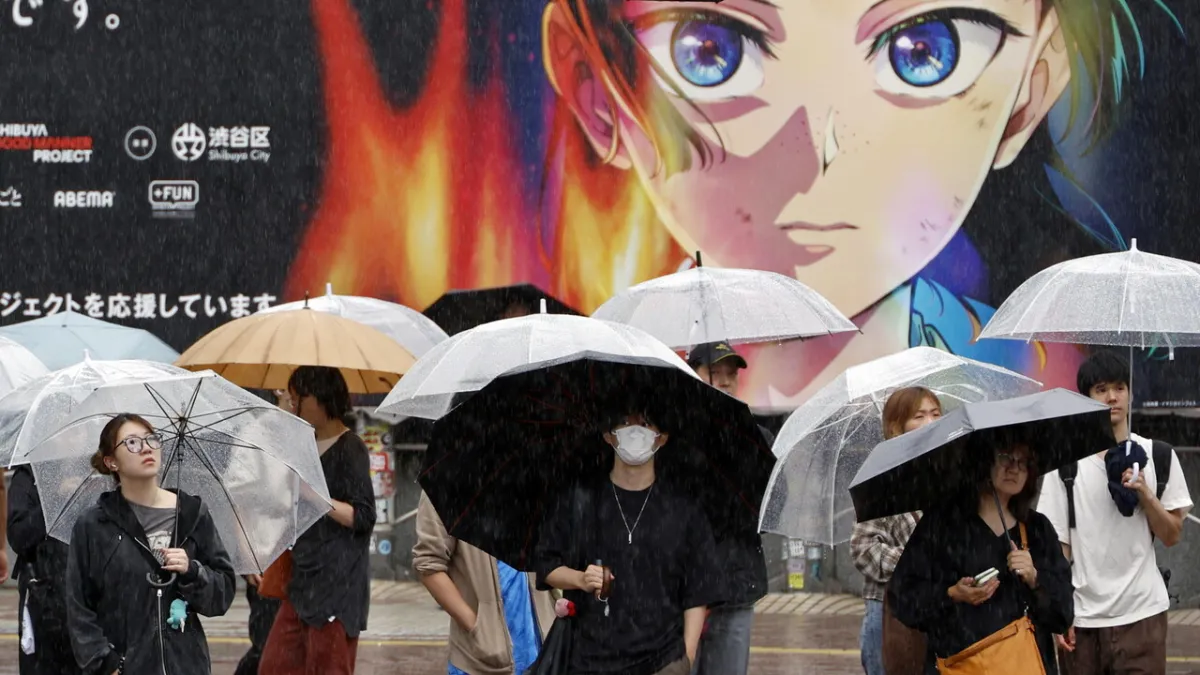
TOKYO – Typhoon Dujuan, a powerful tropical storm carrying devastating winds of 198 kilometers per hour, is now advancing towards Japan's southern coast. The Japan Meteorological Agency on Monday, February 24, 2026, has issued its highest alert, signifying a severe threat to millions of residents and critical infrastructure in the region. The initial impact of the typhoon has already caused significant disruptions to the transportation sector, including the closure of expressways, as well as delays and cancellations of train services in several areas.
This extreme natural phenomenon is expected to make landfall on Tuesday morning, bringing with it the potential for heavy rainfall, high storm surges, and the risk of landslides. The Joint Typhoon Warning Center (JTWC) indicates Dujuan has a worrying trajectory, potentially crossing several densely populated prefectures in southern Honshu, including economically and demographically sensitive regions.
The Japanese government, through its National Disaster Management Agency, has activated all emergency response units. Evacuation warnings have been issued in vulnerable coastal areas, urging residents to immediately seek safe shelter. Thousands of rescue personnel and medical teams have been put on standby to address the worst-case scenarios.
The transportation sector is among the most severely affected. Shinkansen bullet train services on several routes, especially those connecting cities in southern Honshu, are undergoing drastic schedule adjustments. National expressway operators have also announced temporary closures on a number of major sections, including the Tomei and Meishin Expressways, as a precautionary measure for motorist safety.
International airports, such as Kansai and Nagoya Airports, have also announced potential flight delays or cancellations. Airlines have issued advisories to passengers to continuously monitor the latest information before heading to the airport. This schedule uncertainty has forced thousands of tourists and business travelers to postpone their journeys.
Our top priority is the safety of our citizens, stated Japan Meteorological Agency spokesperson, Akira Tanaka. We urge everyone to comply with the evacuation orders and warnings issued. Do not take unnecessary risks. This statement underscores the government's seriousness in addressing the potential disaster.
Meteorological experts predict Typhoon Dujuan will move slowly, prolonging the duration of the storm's impact on affected areas. Wind speeds reaching nearly 200 km/h have the potential to damage building structures, fell trees, and cause widespread power outages. Vital infrastructure, such as bridges and communication facilities, are also under severe threat.
The Japanese populace, renowned for its disaster preparedness culture, has demonstrated a disciplined response. Residents are seen securing their homes, stocking up on essential supplies, and monitoring news broadcasts from official sources. The deeply ingrained disaster mitigation education has proven effective in minimizing panic.
Authorities continue to closely monitor Typhoon Dujuan's movement. Modern weather satellites and advanced radar systems are being utilized to provide real-time data, enabling rapid and accurate warning updates. The latest information is being disseminated through various platforms, from television and radio to smartphone applications.
The potential economic losses due to these disruptions are expected to be significant. The agriculture, fisheries, and tourism sectors will feel direct impacts. However, the primary focus currently remains on saving lives and ensuring the security of basic infrastructure. The government has prepared emergency funds for post-disaster recovery efforts.
Editorial Insight: The event of Typhoon Dujuan presents a critical test for Japan's preparedness in facing increasingly frequent extreme weather anomalies. Although Japan possesses one of the world's best disaster mitigation systems, the escalating intensity of storms demands continuous evaluation and adaptation. The ability of inter-agency coordination and public compliance with safety protocols will be key to minimizing the destructive impact of this typhoon and ensuring a swift recovery.