 Angela Stefani
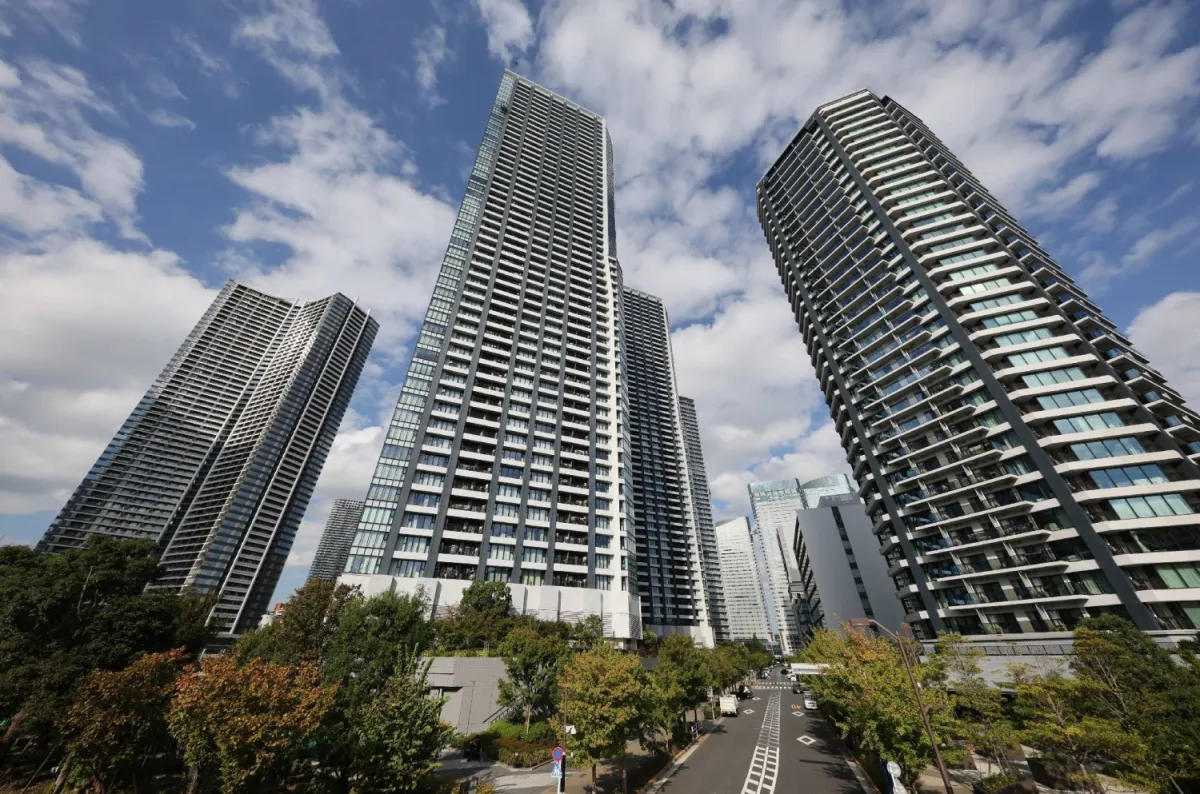
TOKYO – The Japanese government is seriously considering implementing higher taxes on rapid condominium sales, commonly known as 'flipping', in response to soaring property prices in the capital. This policy, slated for inclusion in the fiscal 2027 tax system reform package, primarily aims to curb speculative practices and maintain housing market stability.
The surge in property prices, especially for condominiums in Tokyo, has become a major concern recently. Market data indicates a significant upward trend, driven by strong demand from both domestic and foreign investors, as well as supportive macroeconomic factors. Tokyo, as a global economic hub, consistently attracts investment.
However, amidst this investment fervor, concerns about speculative practices have emerged. Short-term condominium sales for substantial profits, or 'flipping', are reportedly one of the primary drivers of unnaturally high prices. This situation potentially makes affordable housing more challenging for the general public.
The Japanese government's move to increase taxes on speculative property sales is part of a broader effort to create a healthy and sustainable market ecosystem. This policy option reflects the government's commitment to addressing market distortions that could undermine long-term economic stability.
The fiscal 2027 tax system reform package serves as a crucial vehicle for implementing this policy. Details regarding the exact tax hike and the criteria for its application are still under intensive discussion, involving various stakeholders, including the Ministry of Finance and the National Tax Agency. The primary focus will be on transactions occurring within a short period after the initial purchase.
Economists and property market observers largely welcome this government initiative. They believe that stricter tax policies on speculative sales can be an effective instrument to curb uncontrolled price increases. The goal is not only to cool the market but also to ensure that property remains an accessible asset for the public.
The phenomenon of property speculation is not new. Various major cities worldwide have faced or are currently facing similar challenges. Global experience shows that government intervention through fiscal policies, such as anti-speculation taxes, is often necessary to prevent the formation of risky property bubbles.
This step also aligns with the government's efforts to boost state revenue through the tax sector, which can be allocated to development programs or housing subsidies. Balancing investment attraction and maintaining price affordability remains a challenge that must be addressed.
Amidst the continuously evolving financial market dynamics in Japan, where Japanese bonds are once again attracting global attention, this decision regarding property taxes demonstrates the government's careful approach to managing its key economic sectors. Housing market stability is a vital pillar for investor confidence and domestic welfare.
Discussions concerning the 2027 tax reform are expected to continue throughout 2026. The public and property industry players will closely monitor every development, awaiting regulatory certainty that will shape the property investment landscape in Japan in the coming years.
Editorial Insight:
The Japanese government's initiative to impose higher taxes on speculative condominium sales is an essential proactive measure. If effectively implemented, this policy has the potential not only to stabilize property prices in Tokyo but also to send a strong signal that the government is committed to protecting the market from practices detrimental to the broader public. The main challenge lies in formulating precise criteria to avoid hindering healthy investment while still fostering economic growth.