 Dodi Irawan
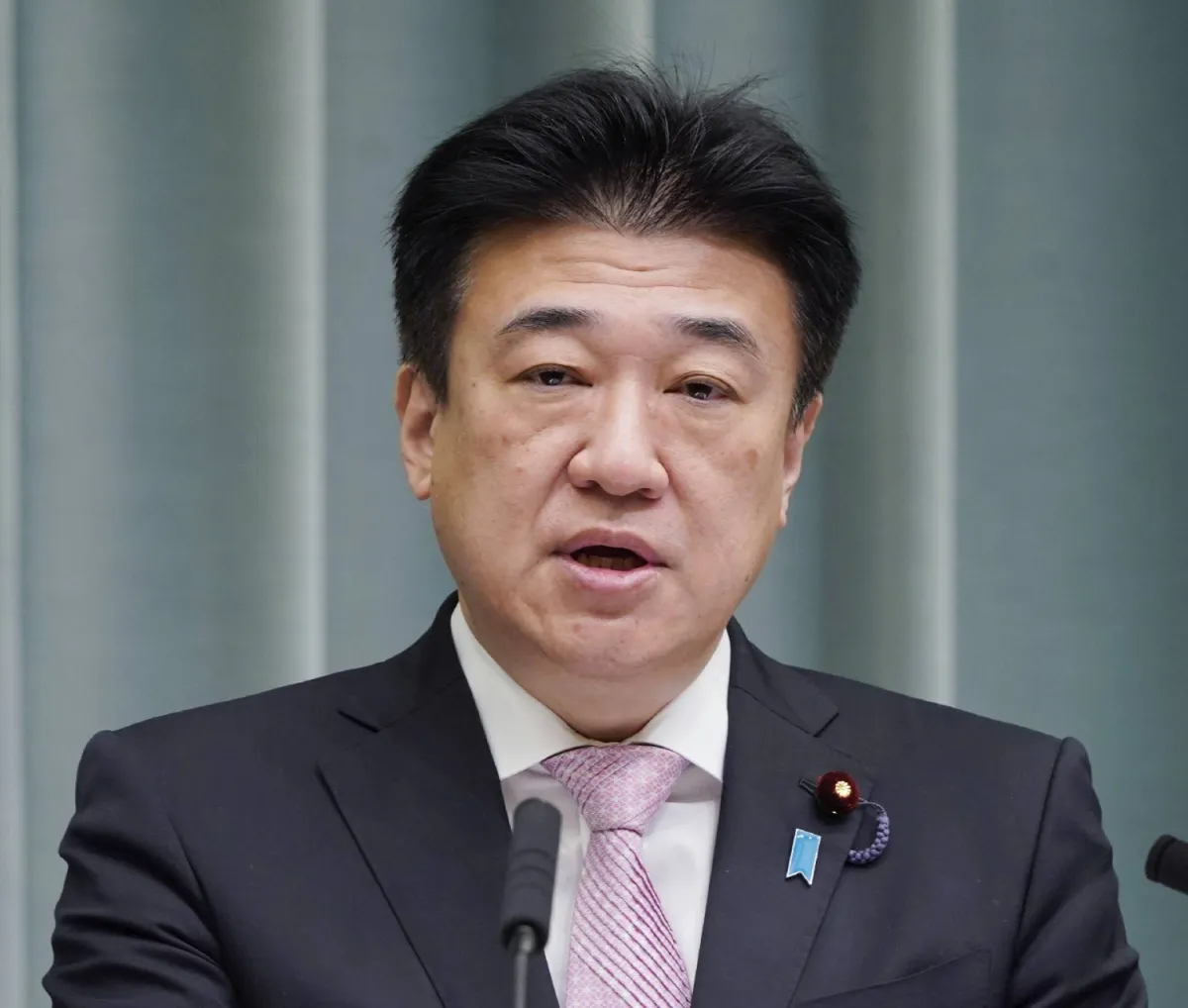
Paris – Japan has called for closer international cooperation to address emerging security threats posed by artificial intelligence (AI) development. The plea was made by Minister Sanae Takaichi during a crucial meeting hosted in France, highlighting that AI's impact transcends national borders, making global collaboration essential.
Takaichi's statement underscores growing concerns among world leaders regarding the potential misuse of AI technology. As rapid advancements in AI innovation continue, the risks associated with more sophisticated cyber attacks, large-scale disinformation campaigns, and the development of autonomous weapons become increasingly palpable.
The Japanese Minister specifically emphasized that AI is no longer merely a technological domain; it has evolved into a national and international security issue demanding serious attention from the entire global community. Robust regulatory and ethical frameworks are deemed crucial to manage this development.
The meeting in France served as an important platform for nations to discuss common frameworks. The objective is to ensure that AI innovations can be leveraged responsibly while mitigating the inherent risks they carry.
The Japanese government, through Minister Takaichi, has consistently advocated for a multilateral approach to regulate and oversee technologies with global disruptive potential. This aligns with Japan's position as one of the developed nations heavily invested in the AI sector.
The security challenges presented by AI are not merely theoretical. Incidents of AI-powered cyber attacks are already being detected, demonstrating the urgency for immediate action. This phenomenon requires a coordinated response to prevent loopholes from being exploited by malicious actors.
France itself has long been a strong advocate for ethical technology regulation and cybersecurity. The country has experience in facing cyber threats, having even accused other nations of orchestrating significant cyber attacks. (Link: France Accuses Iran of Orchestrating Mass Cyber Attack on European Freezers).
Discussions held in France are expected to yield initial consensus or a roadmap for harmonized AI policy development at the international level. This includes sharing intelligence on threats and developing stringent security standards.
This collaboration encompasses not only cybersecurity aspects but also how AI can be utilized for humanitarian purposes, such as disaster relief or medical diagnostics, without compromising security or privacy. The balance between innovation and risk mitigation remains a central focus.
Several cybersecurity experts and AI specialists present at the meeting agreed that without cross-border cooperation, individual efforts to secure infrastructure from AI threats would be futile. The borderless nature of AI demands a similar approach to solutions.
Japan's initiative has been positively received by several European Union member states who share similar concerns regarding uncontrolled AI development. They view this initiative as an opportunity to strengthen the global AI governance framework.
The Japanese government reiterated its commitment to actively contribute to the establishment of international norms that will guide the use of AI for the benefit of humanity as a whole, while safeguarding against potential harms.
Editorial Insight: Japan's call, articulated by Minister Takaichi, signifies a crucial shift in focus from mere AI development towards risk management and global governance. The security challenges posed by artificial intelligence are a nascent phenomenon requiring an adaptive and unified response. Without effective multinational collaboration, the world risks facing an escalation of cyber conflicts and technological misuse that could threaten global stability. Establishing a comprehensive international framework is not merely an option but an urgent imperative in 2026.