 Chandra Wijayanto
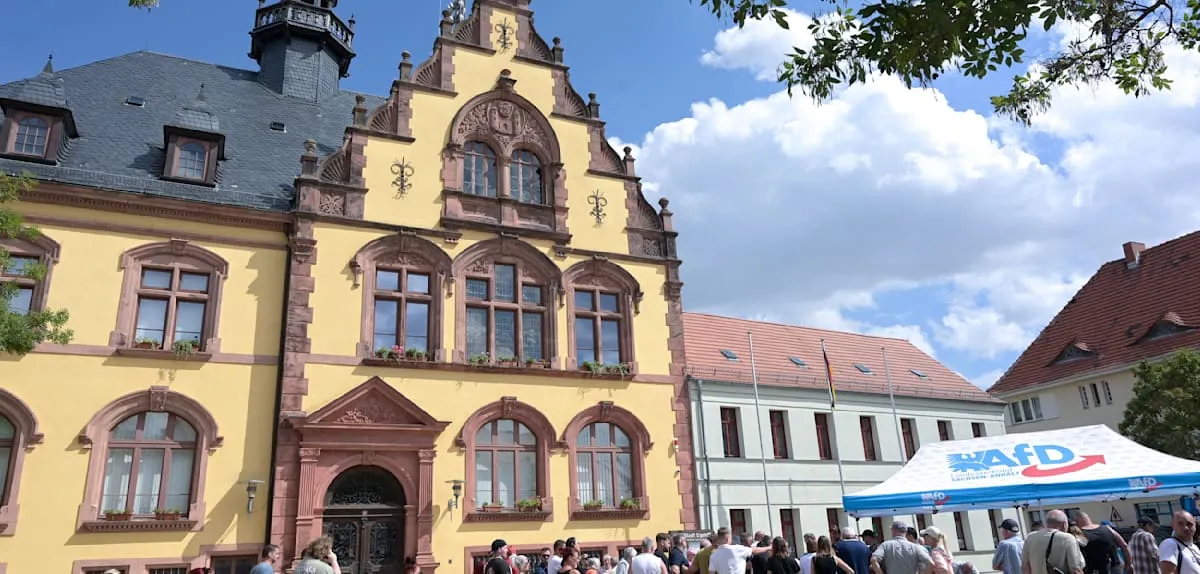
MAGDEBURG, GERMANY – Thousands of migrant business owners and entrepreneurs in Saxony-Anhalt, Germany, are preparing to launch a coordinated Migra-Strike this coming Wednesday. The action, initiated by the local Refugee Council, is a strong protest against practices of exclusion and discrimination ahead of the state election. This movement aims to highlight the vital contribution of migrant communities to the local economy while expressing dissatisfaction with integration policies deemed to have failed.
This unprecedented strike will involve the closure of hundreds of businesses, ranging from restaurants and grocery stores to various service providers managed by individuals with immigrant backgrounds. Coordinators of the action stated that this step is a last resort to draw public and political attention to the pressing issues faced by their community.
We are not merely workers or business owners. We are an integral part of Saxony-Anhalt society. However, we often feel marginalized and unheard, a spokesperson for the Refugee Council said at a press conference in Magdeburg. The state election is a crucial moment for us to demand fair treatment and equal opportunities.
The background of the Migra-Strike is rooted in the increasing anti-migrant sentiment in some regions of Germany, particularly in eastern states like Saxony-Anhalt, which often serve as a base of support for nationalist parties. Issues of racism and xenophobia are becoming more prominent, creating significant pressure on migrant communities.
The upcoming state election provides a platform for various political parties to attract voters. Right-wing parties, for example, frequently use immigration as a campaign tool, which can inadvertently deepen societal divisions. This strike aims to counter such narratives by demonstrating the economic and social power of migrant communities.
These migrant entrepreneurs emphasize that they are not just seeking rights but also demanding recognition for their role in economic development. Many have created jobs, paid taxes, and filled market gaps not served by local businesses.
The economic impact of this Migra-Strike is expected to be significant in several cities. Large-scale business closures, even for a single day, can disrupt local supply chains and essential services, sending a strong message about society's reliance on migrant contributions.
This is not just a protest; it is a statement of existence, said a Syrian restaurant owner who plans to close his establishment on Wednesday. We want the government and society to see what would happen if we, the migrants, were absent.
The Refugee Council also articulated more specific demands, including:
- Improved access to equal education and vocational training.
- Removal of bureaucratic hurdles for migrant entrepreneurs.
- Strengthening of anti-discrimination laws and their enforcement.
- Official recognition of professional certifications and qualifications obtained in their countries of origin.
The state government of Saxony-Anhalt has not yet provided a comprehensive official response to this strike call. However, the overall political situation in Germany is indeed tense, with debates on tax reform and integration issues continuing to fuel polarization.
This movement, if it garners widespread support, has the potential to alter political dynamics ahead of the election. It serves as a reminder that minority voices, especially those with an economic foothold, can become significant political forces.
Editorial Insight: The Migra-Strike in Saxony-Anhalt marks a new escalation in the struggle of migrant communities for recognition and equality in Germany. This phenomenon reflects the failure of integration policies in many European countries and sends a strong signal for governments to reassess their approach. Its impact will not only be limited to election outcomes but will also shape the narrative around multiculturalism and national identity in Germany in the long run. This protest could set a precedent for similar movements in other countries facing integration challenges and anti-immigrant sentiments.