 Dodi Irawan
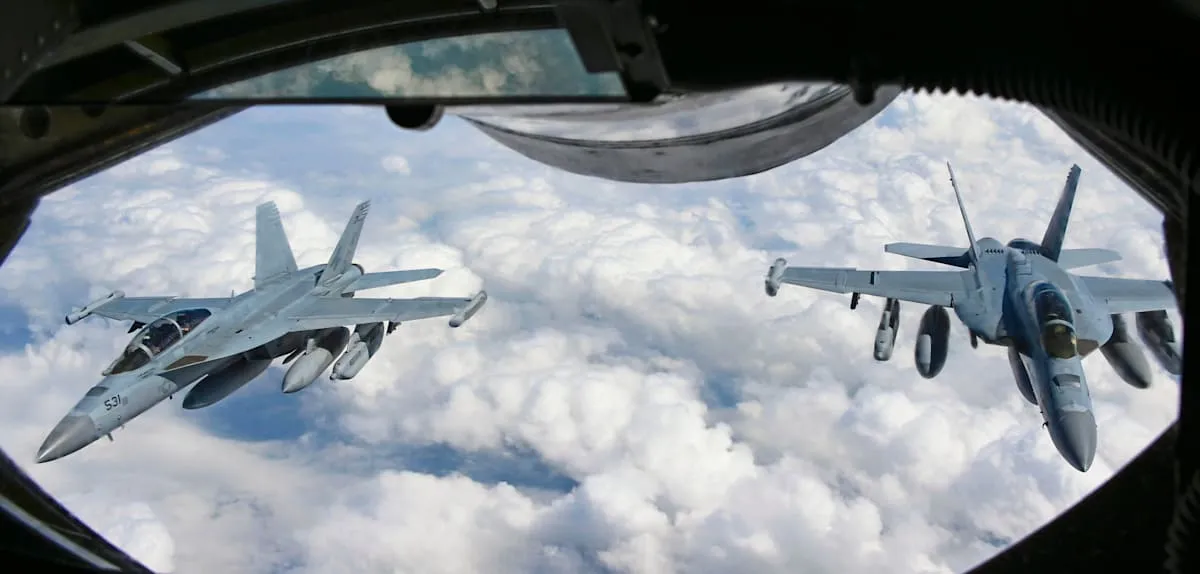
BRUSSELS — The North Atlantic Treaty Organization (NATO) faces critical gaps in its European defense architecture in 2026. This situation arises amid calls for restructuring prompted by the “Trump effect,” pushing Europe toward greater self-reliance. Experts warn that without rapid reforms, vital areas like Bremerhaven in Germany could become vulnerable central targets.
The “Trump effect” refers to the consistent, intense pressure from former US President Donald Trump for European member states to increase their defense spending and reduce their reliance on US military might. Although Trump is no longer in office, this narrative remains relevant, reshaping alliance dynamics and urging Europe to genuinely strengthen its own capabilities.
The NATO 3.0 initiative, aimed at revitalizing and modernizing the defense structure, has shown some significant progress. However, this transformation has not yet reached its optimal stage. In several vital areas, such as cross-border logistics, rapid force projection, and advanced military equipment procurement, Europe remains heavily dependent on the capabilities and resources of the United States.
These gaps create strategic vulnerabilities amidst an increasingly complex global geopolitical dynamic. The greatest concern centers on Europe's ability to respond to threats independently without full US intervention, especially when facing potential sudden or large-scale aggression.
BREMERHAVEN — The port city of Bremerhaven, identified by some analysts as a potential “central target,” highlights the crucial importance of logistics routes and maritime infrastructure in Northern Germany. Its strategic geographical position makes it vital for troop and material deployment, as well as a valuable asset requiring maximum protection.
Dr. Annelise Richter, a security expert from a European think tank, stated, “Europe can no longer rely on the assumption that the United States will always be present with full force in every crisis. We must build genuine strategic autonomy.” This statement underscores the urgency of a shift in mentality and collective investment in the continent's defense.
Comparison with NATO's structure in previous decades shows that the challenges of 2026 are far more multifaceted. The alliance faces not only conventional threats but also hybrid and cyber warfare, demanding more agile and coordinated responses. Operational readiness and interoperability among European nations are key.
The implications of these gaps are felt across all European member states, forcing them to re-evaluate defense budgets, troop deployment strategies, and collaboration in military technology development. Some countries have initiated modernization programs, but these efforts are often sporadic and lack holistic integration.
To address this issue, European leaders must take faster, more concrete steps. Increased investment in logistics capabilities, integrated air defense systems, and large-scale joint military training and exercises are absolute prerequisites. The establishment of fully autonomous rapid reaction units is also a relevant option.
A strong political consensus among EU and NATO members is also needed to drive ambitious reforms. Without collective commitment and adequate resource allocation, Europe risks remaining a fragile partner in confronting the global security challenges of 2026. Experts call for immediate action to maintain the continent's stability and sovereignty.