 Angela Stefani
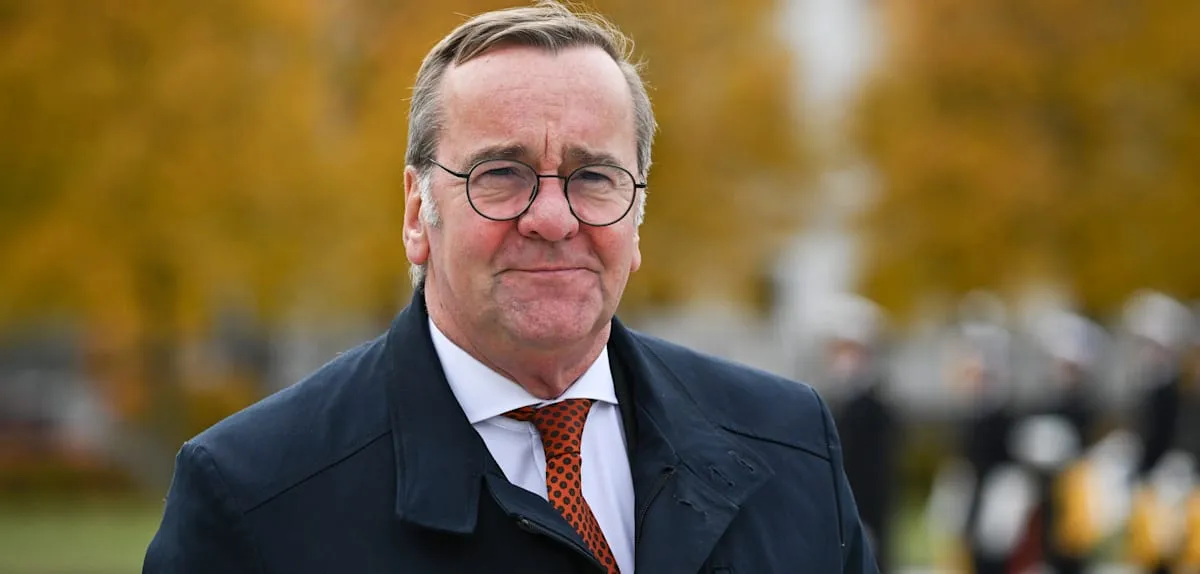
BERLIN – The German Ministry of Defense has announced that the Bundeswehr, Germany's armed forces, has successfully reached its highest personnel strength in the last 13 years. Defense Minister Boris Pistorius stated that this achievement eliminates the urgency to re-discuss the implementation of conscription, a topic that frequently arises amidst Europe's geopolitical dynamics.
In an official statement in Berlin, Minister Pistorius revealed that the number of active Bundeswehr soldiers now stands at approximately 190,000 personnel. This figure marks significant and consistent growth, demonstrating the effectiveness of the voluntary recruitment strategy pursued by the government.
The Bundeswehr no longer has personnel growth problems, Pistorius said, highlighting the success of the voluntary recruitment program. He added, If this positive trend continues, there will be no need for further discussion about conscription.
This statement comes amid a lengthy debate regarding Germany's need to strengthen its national defense, especially following a series of regional conflicts and escalating global tensions. Many parties have called for increased budget and military strength to address potential threats.
Until recent years, the idea of reactivating conscription was always a considered option. However, the latest data from the Ministry of Defense indicates that the appeal of a military career in Germany remains high, even without mandatory military service.
Bundeswehr's strategy focuses on modernizing military equipment and improving soldiers' welfare to attract top talent. This has proven effective in filling vacant positions and retaining existing personnel.
A robust military force also contributes to European regional stability. Germany, as the largest economy on the continent, plays a crucial role in the collective security of NATO and the European Union.
Minister Pistorius's affirmation also sends a strong signal to allies and potential adversaries that Germany is serious about fulfilling its defense responsibilities, even without returning to the previously abolished conscription system.
Debates over conscription are not unique to Germany. Similar issues are a concern in several other European countries that are reviewing their defense policies. Some countries are even considering reactivating mandatory military service in response to changes in the global security landscape, but Germany has chosen a different path.
This condition differs somewhat from some countries that are increasing their military vigilance, as seen in reports such as Europe on High Alert: False Bomb Threats Cripple Flights, Fighter Jets Deployed, which shows the urgency of defense in the region.
The data released by the Ministry of Defense indicates that the increase in personnel is dominated by young recruits attracted to high-tech training and long-term career opportunities in the Bundeswehr. This ensures the future sustainability and adaptability of Germany's armed forces.
Editorial Insight: Germany's decision to maintain its military strength through voluntary means, supported by positive recruitment data, signifies a shift in defense paradigms. Instead of relying on potentially political conscription, focusing on professionalism and career attractiveness has proven more efficient. This could serve as a model for other countries facing demographic challenges and defense needs, while also affirming Germany's position as a relevant military power in Europe without imposing compulsory military service on its citizens. This policy also reflects Germany's confidence in its long-term strategy amidst global uncertainties in 2026.