 Demian Sahputra
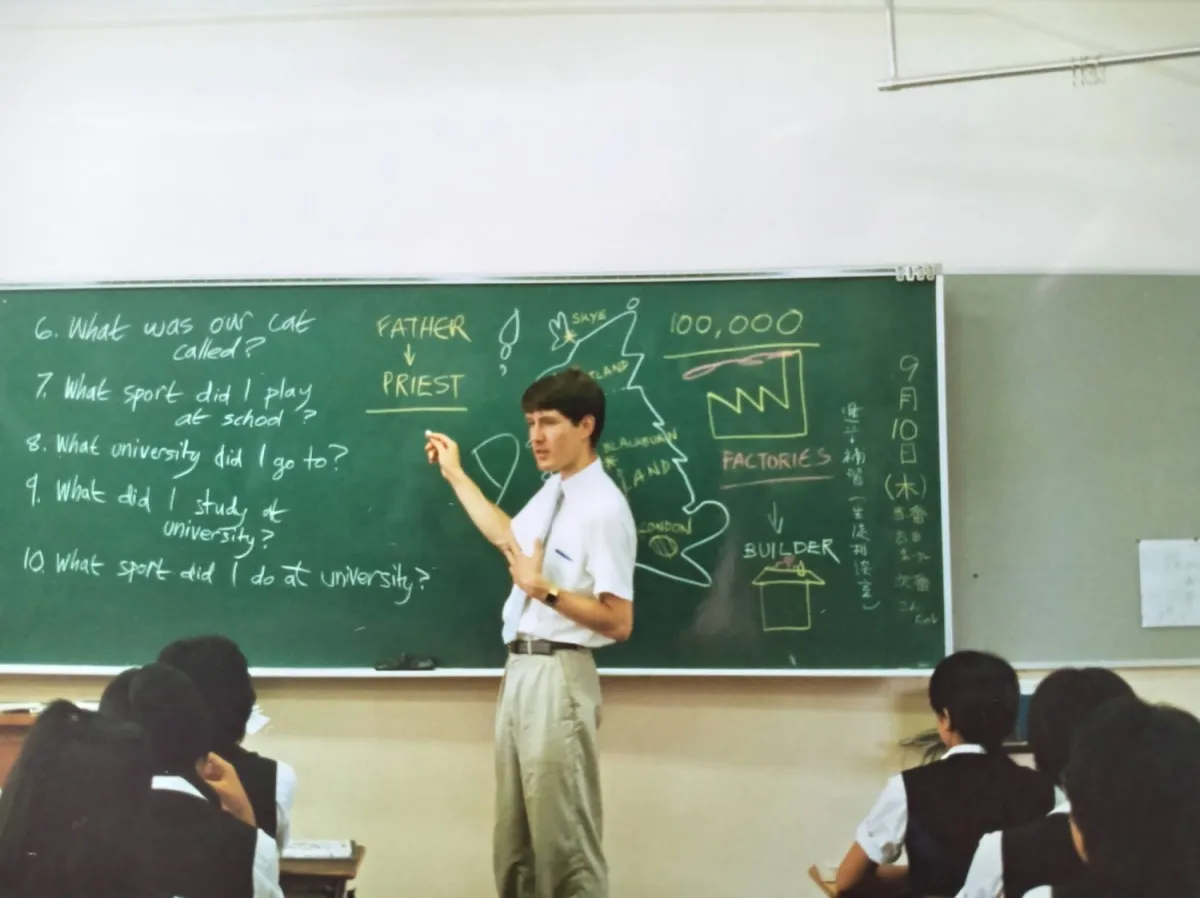
TOKYO – The Japan Exchange and Teaching (JET) Programme, a four-decade bridge for cultural diplomacy and rural community empowerment, now celebrates its 40th anniversary. Alumni and high-ranking government officials affirm its vitality, especially as the world enters a disruptive era of artificial intelligence (AI). Since its inception in 1986, the program has placed thousands of foreign teachers and translators in remote areas across Japan, becoming an irreplaceable national asset.
The fortieth anniversary of the JET Programme is marked by a series of events across various prefectures, highlighting its contributions to strengthening international relations and promoting cross-cultural understanding. This Japanese government initiative aims to attract young university graduates from around the world to work in educational institutions and local government bodies.
Throughout its journey, the JET Programme has successfully navigated demographic and globalization challenges. Many rural areas in Japan face population decline and difficulties in retaining a diverse teaching staff. The presence of JET participants fills these gaps, not only as foreign language teachers but also as cultural ambassadors who introduce global perspectives to students and local residents.
Japan's Foreign Minister, Yoko Kamikawa, in her speech last week, referred to the JET Programme as 'the foundation of Japan's public diplomacy.' She emphasized how JET alumni, now dispersed in various professional sectors worldwide, continue to be crucial connectors for Japan. 'They are our eternal ambassadors, forging bonds that transcend geographical boundaries,' she stated.
The program's relevance is increasingly evident amid the rapid development of AI. While technology offers efficiency, such as AI uncovering Shakespeare's true identity as reported in Mystery of Shakespeare Uncovered, the need for human interaction, empathetic understanding, and cultural nuances remains irreplaceable. The JET Programme ensures that personal contact and direct knowledge exchange remain key pillars in education and international relations.
JET Programme alumni gathered for the celebration shared stories of how their experiences in Japan shaped their careers and life perspectives. Many went on to pursue careers in education, government, and business, often with a focus on Japan-related affairs. They form a robust global network, facilitating bilateral cooperation.
Former JET participant, Sarah Jenkins from the United States, now a director at an educational research institute, remarked, 'JET was not just a job; it was a transformative experience. We didn't just teach; we learned, adapted, and grew. The values we gained in Japan are highly relevant, even today as AI algorithms increasingly dominate life.'
Historically, this program has been a magnet for global talent, offering a unique opportunity to immerse oneself in rich Japanese culture while contributing to local education and community development. The roles of Assistant Language Teacher (ALT) and Coordinator for International Relations (CIR) have been the operational backbone of the program.
Data indicates that over 70,000 individuals from more than 75 countries have participated in the JET Programme since its inception. This figure reflects its global reach and broad impact, forming a network of friendship and collaboration that has exceeded initial expectations.
In the context of ever-evolving global technology, there is discussion about how the JET Programme can adapt. Some propose integrating modules related to AI ethics, digital literacy, or cross-cultural skills for the digital era, so that participants can be better prepared for future challenges.
The importance of maintaining diversity and inclusivity within the JET Programme is also highlighted. By attracting individuals from different backgrounds, the program can enrich educational experiences in Japan and promote a society more open to the world.
Editorial Insight: The four-decade celebration of the JET Programme is a reaffirmation of the value of human interaction in an increasingly digitalized world. Amidst the euphoria of AI, this program reminds us that cultural bridges, empathetic understanding, and personal connections remain invaluable assets. The future of the JET Programme will likely involve curriculum adaptation to equip its participants with technological understanding, but the essence of human exchange will remain central, ensuring Japan maintains its 'human touch' in global diplomacy.