 Gabriella
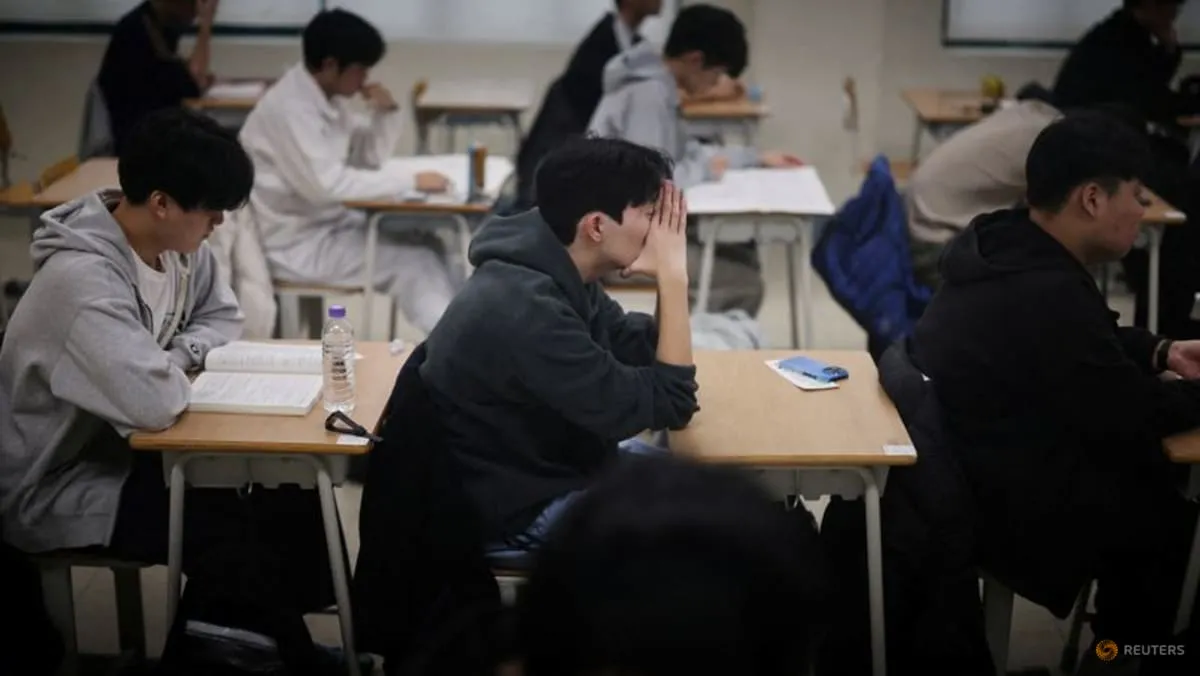
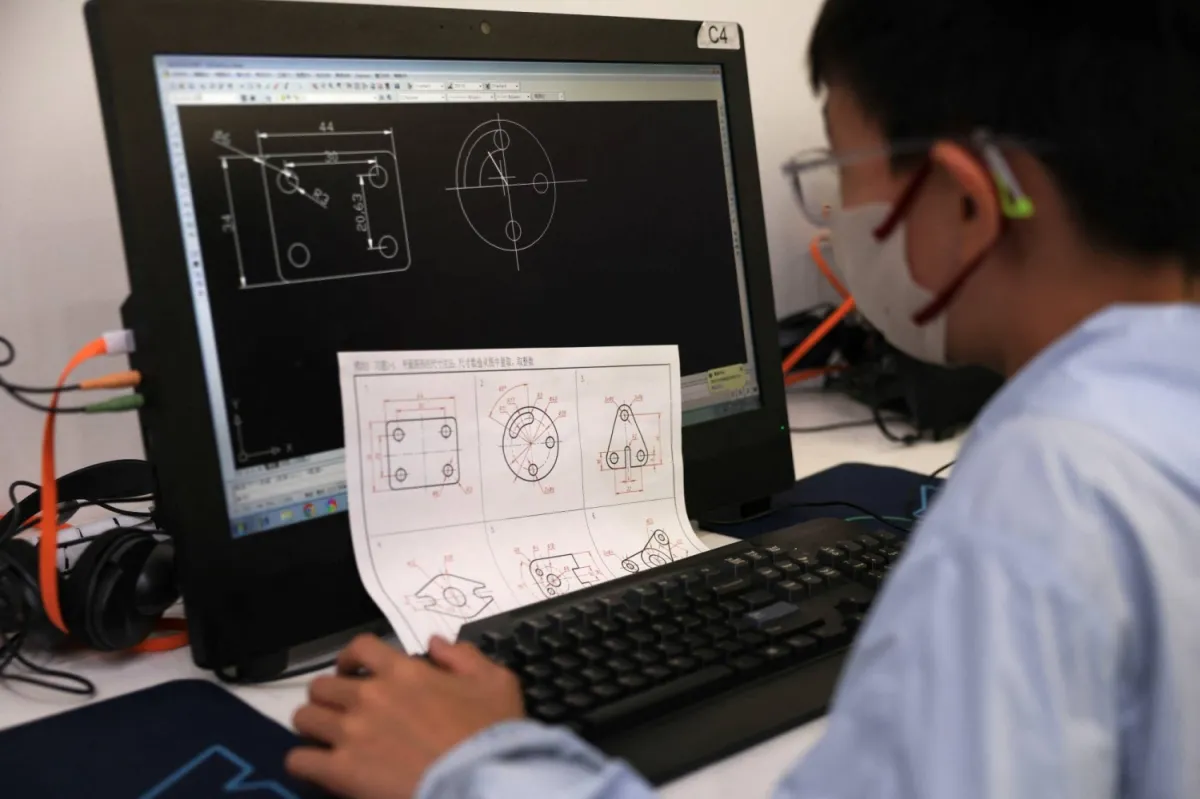
SEOUL – The government of South Korea has implemented unprecedented examination surveillance measures, including thorough inspections of glasses and smart devices, to safeguard the integrity of its National College Entrance Exam taking place this week. This drastic policy emerges as a direct response to widespread concerns over AI-powered cheating potentially undermining the fairness of the nation's educational system.
The phenomenon of cheating using AI technology has become a new specter in the global educational landscape, forcing authorities worldwide to adapt. In South Korea, where college entrance exams carry immense weight in determining future prospects, such a scandal could profoundly shake public trust. The government's preemptive actions aim to close technological loopholes that could be exploited.
Glasses inspection has become a primary focus due to the potential for sophisticated devices to be covertly embedded within them. Examination supervisors are now specially trained to detect modified lenses or frames, which might be equipped with micro-cameras or wireless communication tools. Every prospective student will undergo a strict physical check before entering the examination hall.
In addition to glasses, surveillance of other smart devices has also been tightened. Mobile phones, smartwatches, and wireless earphones must be stored in designated areas and are strictly prohibited from being brought into the examination vicinity. Significantly harsher penalties now await anyone found violating these rules, with potential consequences ranging from disqualification to bans from future exams.
The integrity of examinations is the cornerstone of our social justice. We will not compromise with any attempt that undermines this principle, stated an unnamed spokesperson for South Korea's Ministry of Education during a recent press conference. The statement underscores the government's resolve in combating the threat of AI cheating.
Artificial intelligence technology, despite bringing numerous innovations, also presents new ethical and security challenges, particularly in the education sector. AI cheating, which can involve real-time question-translation applications or automated answer generators, demands a more sophisticated and comprehensive prevention approach.
This heightened security is not merely a temporary response but part of a long-term government strategy to protect its competitive examination system. The government recognizes that technological advancements will continue, thus prevention strategies must also be dynamic.
The psychological impact on prospective students is also a concern. While some understand the importance of these measures, the added pressure from strict surveillance could increase their mental burden. The Ministry of Education pledges to ensure that inspection processes are conducted professionally and non-intimidatingly.
The government also encourages universities and educational institutions to develop evaluation methods more resistant to AI cheating, and to instill values of honesty and digital ethics from an early age. Education on the dangers and consequences of AI cheating is crucial.
This event also sparks international discussion regarding the future of standardized tests in the AI era. Some countries are considering similar adaptations, while others explore alternative assessment models less vulnerable to technological manipulation. This topic aligns with global AI developments, as reflected in the article US Crowns AI Giants: Nvidia and OpenAI Named National Tech Champions?.
The implementation of more severe penalties is expected to provide a significant deterrent effect. Cheating perpetrators face not only academic consequences but also potential long-term reputational damage that can affect their future prospects.
Editorial Insight: South Korea's protective measures demonstrate the serious threat AI cheating poses to the foundations of the education system. While seemingly extreme, tighter surveillance is a necessity amidst rapid technological innovation. The real challenge lies in finding a balance between security and convenience, and how educational systems can adapt to remain relevant amid AI disruption without compromising integrity. This sets an important precedent for other nations facing similar dilemmas.