 Demian Sahputra
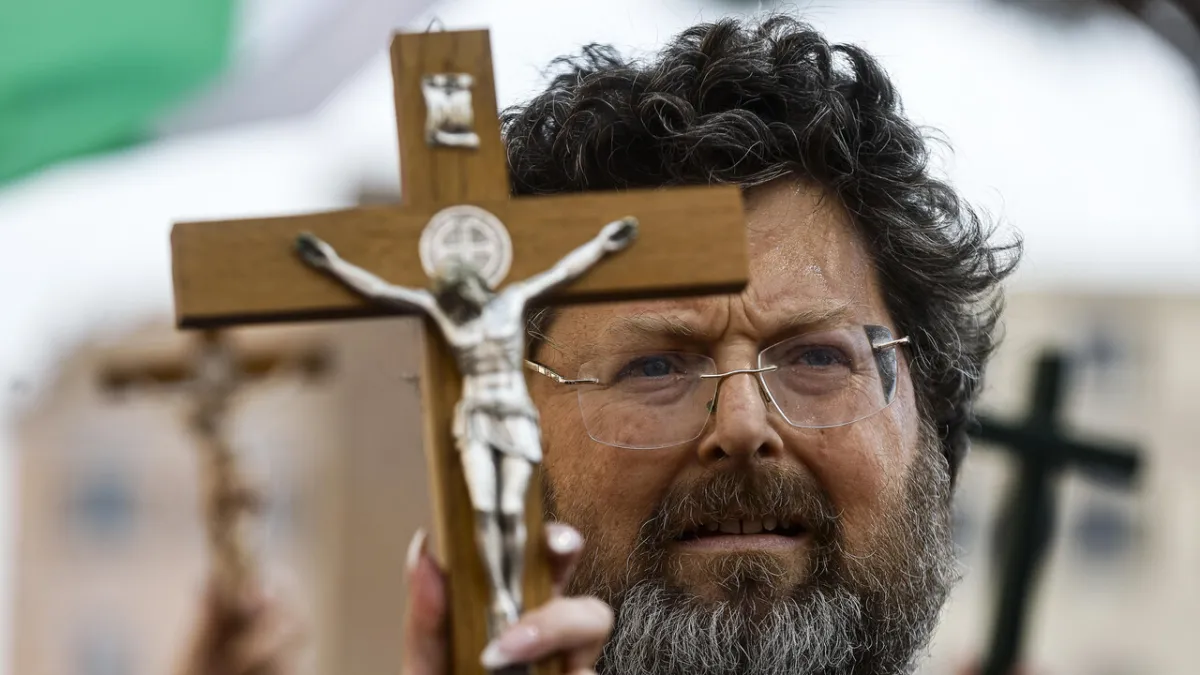
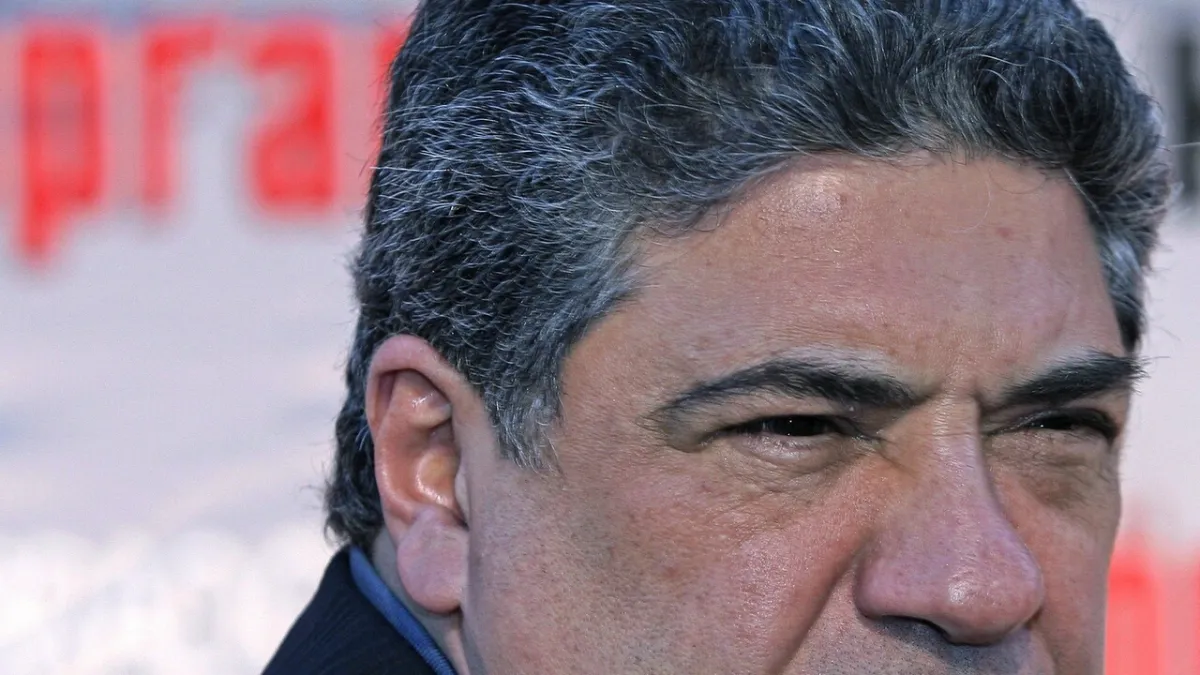
ROME — Prominent journalist, Adinolfi, has been placed under house arrest since yesterday, facing serious charges of fraud and tax evasion. He described the situation as a "surreal experience," claiming to confront it with a profound serenity derived from his faith. This case has immediately rattled the media and legal circles in Italy, raising questions about professional integrity.
The house arrest order is the culmination of a series of investigations by Italian law enforcement authorities. The main accusations center on alleged fraudulent practices that harmed various parties, as well as a significant tax evasion scheme involving his personal assets. Specific details of the alleged criminal modus operandi are still in trial, but initial indications suggest serious violations of fiscal regulations.
Adinolfi's statement, emphasizing his spiritual tranquility amidst a whirlwind of legal troubles, has garnered public attention. He appears to be conveying a personal narrative that starkly contrasts with the legal entanglement he faces. For many observers, the dichotomy between claims of spirituality and criminal allegations sparks broad debate regarding the morality and responsibility of public figures, especially a journalist whose role is to uphold truth.
The case involving Adinolfi is not an isolated incident in Italy's legal landscape, which frequently implicates public figures. Several years prior, the Supreme Court even ordered a second appeal for a case involving a former President of the Italian Parliament, who also faced serious indictments, demonstrating the complexity and rigor of the country's justice system in handling high-profile cases.
The Italian press community has reacted to this news with diverse responses. Some call for a transparent and fair legal process, upholding the presumption of innocence. However, many also express deep concern over the potential damage to the reputation of the journalism profession due to such scandals. They emphasize the importance of ethics and integrity, not only in the professional realm but also in personal life.
The tax evasion charges, in particular, are under sharp scrutiny given their impact on state finances and social justice. The Italian government, through its fiscal agencies, has repeatedly affirmed its commitment to eradicating such illegal practices without prejudice, including against individuals with significant public influence.
Adinolfi's legal team is expected to mount a strong defense strategy. They will likely challenge the evidence presented by the prosecution and attempt to highlight aspects that could mitigate their client's situation. Legal procedures in Italy are known for their complexity, often involving lengthy trial phases and multiple levels of appeal.
The implications of this case for Adinolfi's career and public image are undeniable. Regardless of the trial's final outcome, serious accusations like these have the potential to severely damage the credibility he has built over many years in the world of journalism. This serves as an important lesson about maintaining reputation and legal compliance for every individual, especially those in the public spotlight.
In a broader context, such a scandal also opens discussions about how a journalist, whose role is to scrutinize power and uncover truth, can become embroiled in serious personal legal issues. This highlights the fragility of the profession's image in the face of law and public morality, as well as the urgency for introspection among media practitioners.
The Italian public now awaits the continuation of the judicial process that will determine Adinolfi's fate. Will his claims of spiritual serenity be able to counterbalance the weight of legal evidence prepared by authorities? This question will continue to hang until the final court ruling is announced, affirming the principle that no one is above the law.