 Dorry Archiles
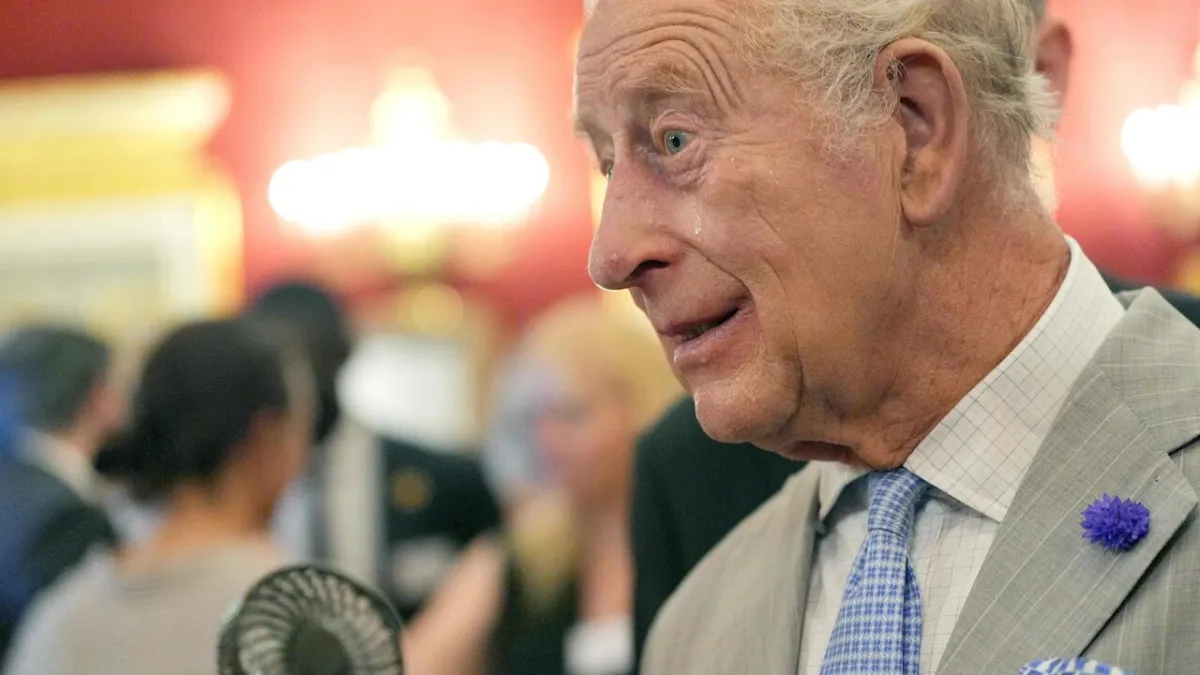
LONDON — In a historic decision that surprised the British public in 2026, King Charles III officially granted a posthumous pardon to Ruth Ellis, the last woman executed by hanging in England. This step, taken on the recommendation of the government, ends decades of waiting for family and activists who have called for justice in the controversial case that shook the nation in 1955.
This royal decision symbolically clears the name of Ellis, who was convicted of murdering her lover, David Blakely. The case, which occurred more than seven decades ago, has once again come under sharp scrutiny, sparking a long debate about justice, domestic violence, and the morality of capital punishment in the United Kingdom.
Ruth Ellis, a 28-year-old nightclub model, shot and killed David Blakely outside a pub in Hampstead on Easter Sunday, April 10, 1955. The court heard that Ellis and Blakely had a tumultuous relationship, marked by extreme physical and emotional violence.
During the trial, Ellis pleaded guilty and offered no defense. However, details of the abusive relationship she experienced were not adequately considered as mitigating factors. The violence Ellis endured, including a miscarriage due to Blakely's beating, was overlooked by the law at the time.
In July 1955, Ruth Ellis was hanged at Holloway Prison, London, after a jury found her guilty of murder. Her execution sparked a wave of public protest and intense debate, becoming a turning point in the anti-capital punishment movement in England, which was subsequently abolished ten years later.
Following the execution, many felt that Ellis was a victim of a rigid legal system and a society that failed to understand the complexities of domestic violence. Her family and supporters tirelessly fought to prove the injustice of the verdict, gathering new evidence and highlighting the standards of justice in the mid-20th century.
Movements to secure a pardon for Ellis grew stronger over time, driven by changing societal views on domestic violence and women's rights. Her story became a symbol of the struggle against gender injustice within the justice system.
In early 2026, an independent advisory panel reviewed Ellis's case. They found several legal aspects that were not properly addressed in 1955, including the lack of emphasis on Ellis's mental state and her history of violence, which would now be considered significant mitigating factors.
Based on the panel's findings, the Ministry of Justice submitted an official recommendation to King Charles III. This recommendation emphasized the need for a historical correction to a case that had long haunted Britain's judicial records.
King Charles's decision to grant a posthumous pardon was widely welcomed by human rights groups, historians, and activists. They praised this royal move as an acknowledgment of past wrongs and a commitment to more humane justice.
A Buckingham Palace spokesperson stated, \"This posthumous pardon is an acknowledgment of the broader human context of the case, and reflects the evolution of our understanding of justice and mental conditions. It is not about overturning the jury's past decision, but about recognizing that justice was not fully served.\"
This decision strengthens the global discussion on the need to review old cases marked by structural injustice or social bias. It also serves as an important reminder of the progress made in understanding complex issues such as domestic violence and justice for victims.
King Charles III's action is not just a historical correction, but also a strong message about the importance of empathy and the adaptation of law to evolving human values. It marks a new chapter in Britain's efforts to reflect on and correct its complex judicial legacy.