 Chandra Wijayanto
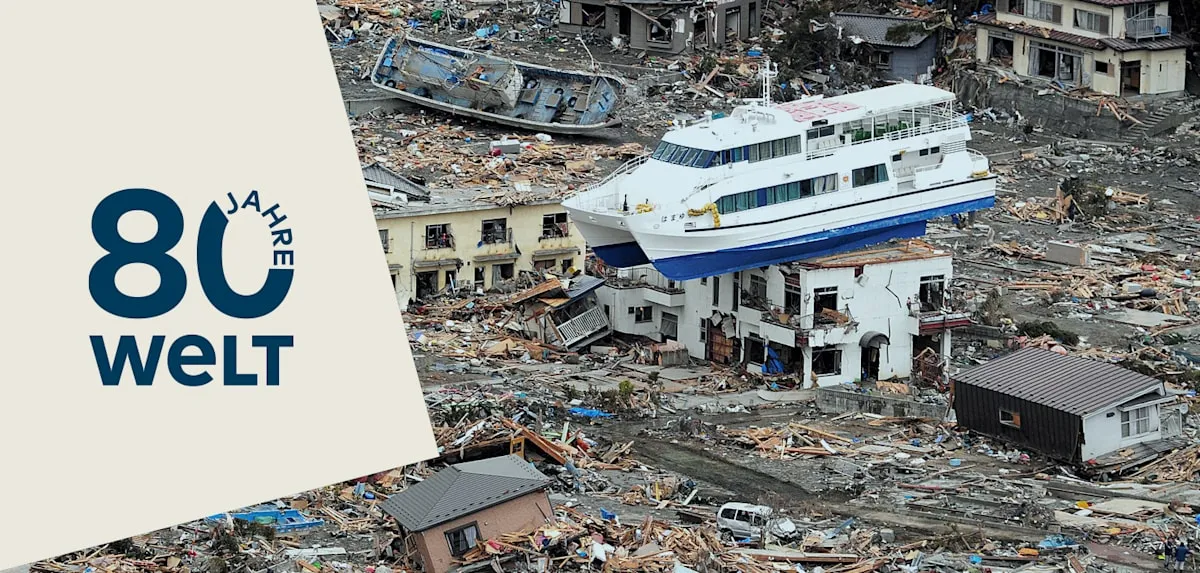
TOKYO – On March 11, 2011, Japan was struck by one of the worst natural disasters in modern history: a magnitude 9.1 megathrust earthquake that triggered colossal tsunami waves reaching tens of meters high. This tragedy, which devastated the Tohoku region, not only claimed over 15,000 lives but also caused massive infrastructure destruction and the Fukushima Daiichi nuclear crisis, leaving behind deep trauma and global impacts still felt in 2026.
The immense tremors, centered off the coast of Honshu, initiated the horror. Skyscrapers in the capital swayed, causing widespread panic. However, the true threat emerged minutes later, as a dark, impenetrable wall of water advanced relentlessly, engulfing coastal cities, settlements, and agricultural areas.
Reports from the disaster zone painted a horrific picture: "Menschen in oberen Stockwerken gefangen. Sie rufen verzweifelt um Hilfe." This phrase, quoting eyewitnesses, describes the desperation of residents trapped on upper floors of buildings, screaming for help as the floodwaters surrounded them. These agonizing cries became a symbol of thousands of tragic stories that unfolded that day.
The tsunami not only destroyed but also crippled the Fukushima Daiichi nuclear power plant, triggering a series of hydrogen explosions and radiation leaks. This worst nuclear crisis since Chernobyl forced hundreds of thousands of residents to evacuate and abandon contaminated zones, with most unable to return home for years, possibly forever.
The disaster's impact extended beyond Japan's geographical borders. Global supply chains were severely disrupted, particularly in the automotive and electronics sectors, given Japan's key role. Concerns about nuclear safety also sparked intense debates on atomic energy in various countries, prompting changes in energy policy, for instance, in Germany, which decided to gradually shut down all its nuclear reactors.
Now, fifteen years after that dark event, Japan continues its struggle in the process of reconstruction and revitalization. Devastated cities have been rebuilt, yet psychological and social scars remain evident. Thousands still live as internally displaced persons, and the decontamination efforts around Fukushima are expected to take decades more.
The Japanese people demonstrated extraordinary resilience. With discipline and a spirit of mutual cooperation, they worked together to clear debris, establish temporary shelters, and gradually restore life. Innovative programs were implemented to attract residents back to affected areas, although demographic and economic challenges persist.
The 2011 tragedy served as a valuable global lesson in disaster mitigation. Tsunami early warning systems worldwide were strengthened, building construction standards were improved to withstand earthquakes, and evacuation protocols were refined. Japan itself has invested billions of dollars in constructing higher sea walls and more advanced warning systems.
This event also fostered a deeper collective awareness of the fragility of life in the face of natural forces. Many local initiatives emerged, focusing on preserving collective memory and educating younger generations about the importance of disaster preparedness.
Given its historical significance, global media outlets like WELT, in a special series commemorating its 80th anniversary, have revisited the March 11, 2011 tragedy. This in-depth report urges the public not to forget human vulnerability and the importance of global solidarity when facing disasters.
From tales of sorrow in Venezuela, where thousands of lives were lost due to disasters in 2026, to the threat of collapsing buildings in Manhattan, the events in Japan in 2011 serve as a stark reminder of the critical importance of preparedness and rapid response. The world continues to learn from every disaster, striving to build more resilient and safer societies.