 Demian Sahputra
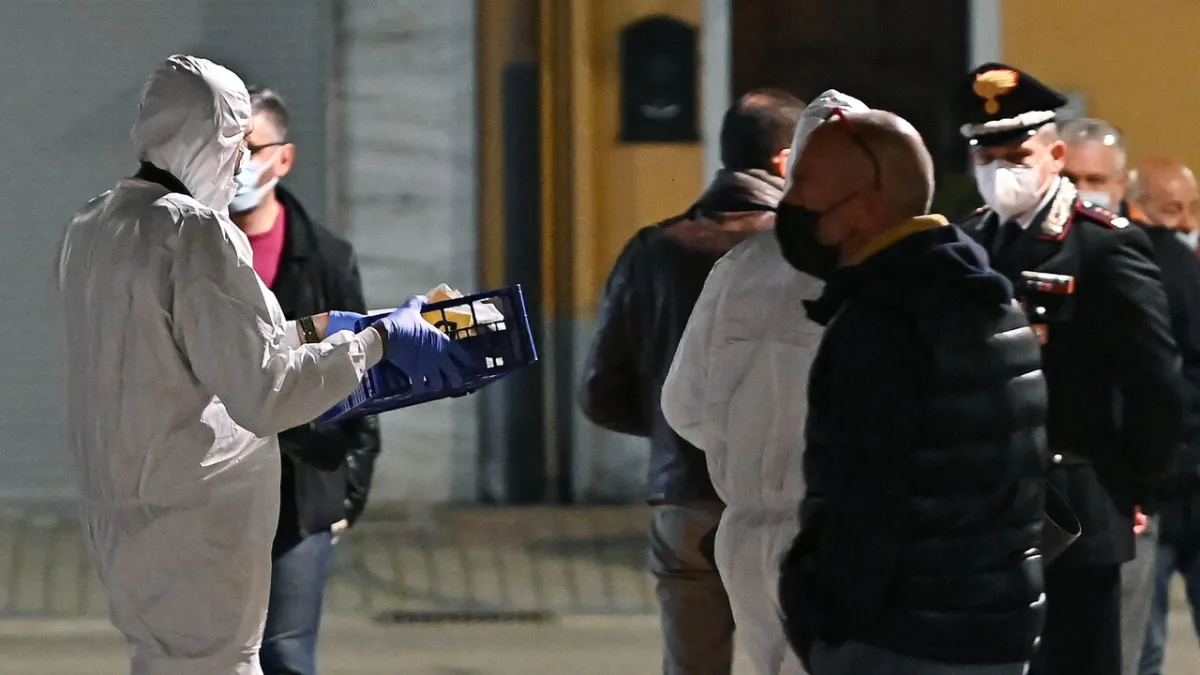
ROME — Jeweler Mario Roggero faces a definitive sentence of 14 years and 9 months in prison, handed down by Italy's court of cassation in mid-2026. This decision concludes a long legal saga after Roggero fatally shot two of the three robbers who stormed his jewelry store in Grinzane Cavour, Piedmont, in April 2021.
The tragic incident began when Roggero, then 67, tried to protect his property from an armed assault. Three men entered his store, threatening him and his family. In a state of panic, Roggero retrieved his weapon and fired shots.
Two robbers, Giuseppe Mazzarino and Andrea Spinelli, died at the scene. The third robber managed to escape but was later apprehended. The incident immediately sparked a widespread public debate in Italy regarding the limits of self-defense and proportional response to criminal threats.
TURIN — In the preceding appellate stage, the Court of Appeal of Turin had imposed the same sentence, 14 years and 9 months, upholding the first-instance verdict. Prosecutors insisted that Roggero's actions exceeded the permissible bounds for self-defense, highlighting that the shootings occurred as the robbers were already fleeing.
Roggero's defense attorneys argued that their client acted under extreme pressure and profound fear for his and his family's safety. They asserted that Roggero was merely defending himself against a real, deadly threat.
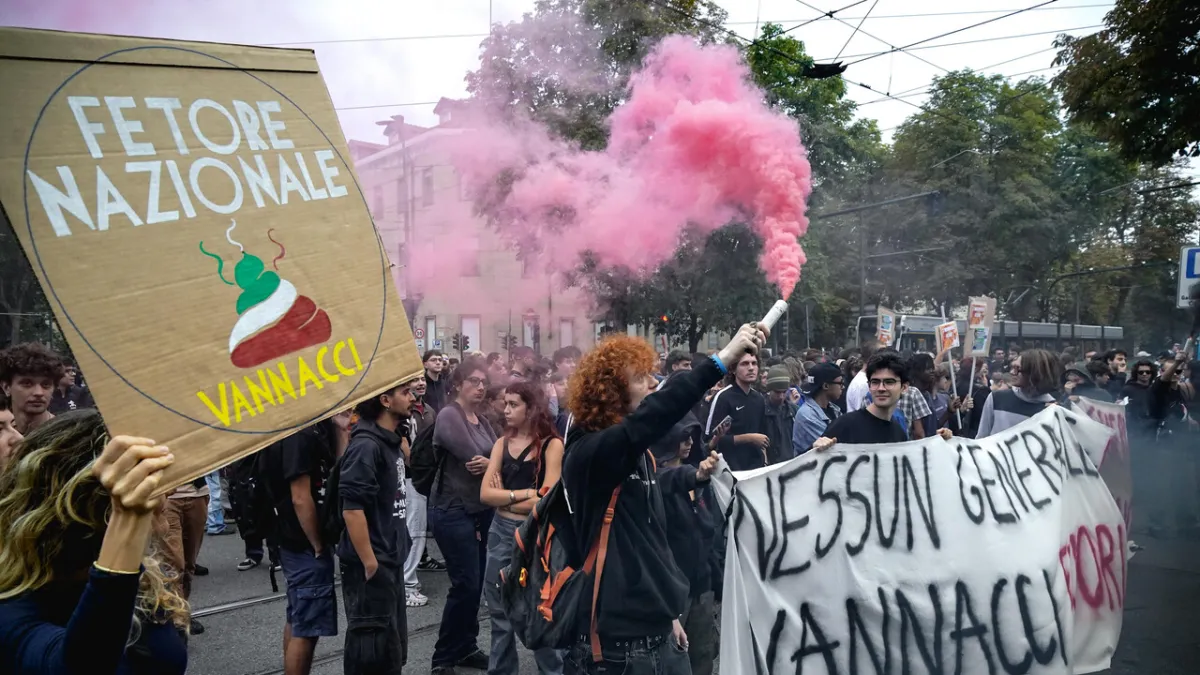
The case has garnered national attention, with many Italian citizens sympathizing with Roggero, seeing him as a victim forced to act to protect himself. Petitions of support have circulated, demanding justice for the jeweler.
GRINZANE CAVOUR — Roggero's family expressed deep disappointment over this definitive sentence. They repeatedly maintained that the incident was an instinctive response to a life-or-death situation, not a premeditated murder. "Our father is a victim, not a criminal," one of his children stated with a trembling voice.
The public prosecutor, in an official statement, declared, "The court's decision underscores the importance of proportionality in acts of self-defense, even when facing serious threats. The law must be upheld without prejudice." Emphasis was placed on the fact that the shootings occurred when the robbers were already outside the store, after the robbery.
Roggero's defense centered on claims of continuous fear and an unstable psychological state during the event. Lawyers stressed that the line between legitimate self-defense and excessive use of force becomes incredibly blurred in such critical situations.
This cassation decision marks the end of an arduous legal process, a case that will serve as an important precedent in the interpretation of self-defense law in Italy. The verdict raises critical questions about an individual's right to defend themselves amidst criminal threats.
Public reaction is divided. While a majority showed support, other segments of society called for justice to be upheld according to the rule of law, regardless of emotional sympathy. The case illustrates the complexity of law enforcement amidst calls to protect civilians. Cases like The Fall of Law often spark heated debate.
Legal analysts in Italy believe that Roggero's case will be a significant study material in law faculties and influence legislative discussions on revising self-defense laws. This demonstrates the intricacy of achieving a balance between self-protection and fair legal enforcement.
Similar debates have arisen in the Italian parliament. Italian political scandals often reflect profound societal divisions.
Mario Roggero's story is not just about a jeweler, but also about the moral and legal dilemmas faced by individuals when confronted with violence. It is a reflection of a society grappling with the definition of justice in extreme situations.
The Italian Merchants' Union called for clearer legal reforms regarding self-defense, so that similar tragedies do not recur and victims do not feel criminalized. They demand stronger protection for business owners.
ROME — This case also highlights security conditions in some Italian regions, prompting calls for increased patrols and more effective crime prevention measures. The public urges the government to guarantee the safety of its citizens.
The court has spoken. Now, Italian society must reflect on the implications of this verdict and how it shapes their perception of justice, self-defense, and legal responsibility in 2026. This is not merely the end of a case, but the beginning of a deeper discussion.
Roggero's case reminds us of the complexity of a legal system that strives to balance various rights and responsibilities. This decision, though definitive, seems likely to continue to haunt the public conscience and provoke long reflection on justice.