 Debby Wijaya
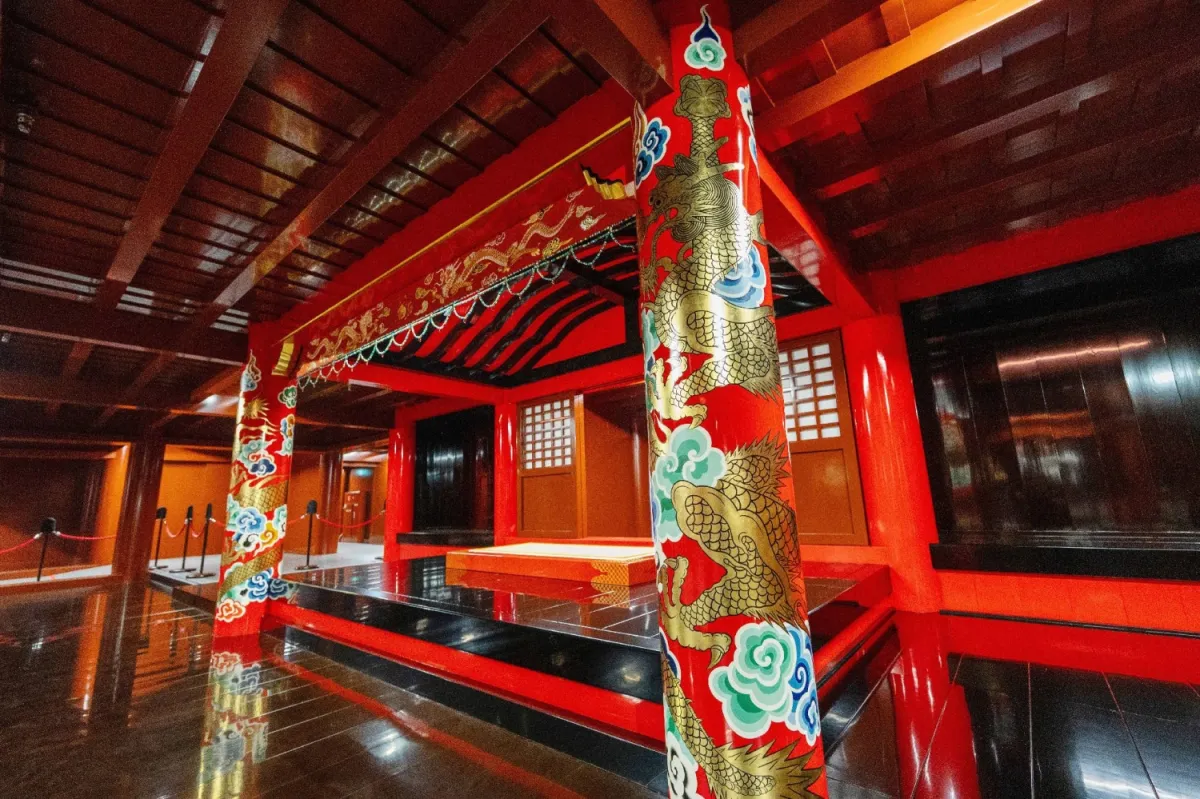
OKINAWA – The main hall of Shuri Castle in Okinawa, Japan, a vital symbol of the Ryukyu Kingdom's heritage, was officially unveiled to the media this week. This opening marks a significant achievement in an ambitious restoration effort following a devastating fire in 2019. The Japanese government has scheduled its full public opening for November 23, 2026, following a grand completion ceremony.
The reopening of this core part of a UNESCO World Heritage site is expected to rekindle cultural spirit and attract tourists, simultaneously bolstering the local economy. The fire six years ago destroyed large parts of the castle's main buildings, including the main hall, causing profound grief for the people of Japan and the international community.
Since then, an extensive restoration project has been launched, utilizing modern technology and traditional expertise, striving to restore the architectural splendor that symbolized past glory. This effort is not merely about rebuilding physical structures but also revitalizing the historical and spiritual values contained within.
Authorities stated that the reconstruction process meticulously adhered to original details, using the same materials and techniques as when the castle was first built. We were extremely careful at every stage, ensuring every carving and structure reflected its authenticity, said a spokesperson for the Okinawa prefectural government.
Shuri Castle boasts a long history as the political, diplomatic, and cultural center of the Ryukyu Kingdom for centuries, before being annexed by Japan in the late 19th century. Its existence is proof of a unique blend of Chinese, Japanese, and local Ryukyuan cultural influences that created a distinct identity.
Journalists present at the preview expressed their admiration for the detailed rework. The main hall, now standing robustly, emanates an aura of majesty with its distinctive bright red color and captivating dragon carvings. The interior areas have been fitted with artifacts and exhibitions that recount the history of this maritime kingdom.
The local government aims for a significant increase in visitor numbers, especially from domestic and international tourists. This move is expected to provide a crucial boost to Okinawa's tourism sector and economy, which was previously affected by the pandemic and the fire incident.
This opening also serves as a symbol of Japan's resilience and determination to safeguard and preserve its cultural heritage. The restoration of Shuri Castle sets an important precedent for other historical site preservation projects worldwide.
The people of Japan have long awaited this moment, viewing Shuri Castle as a symbol of national pride. The celebrations accompanying the public opening are projected to draw global attention, highlighting Japan's rich culture and its ability to rise from disaster.
The reconstruction efforts involved collaboration from various parties, ranging from architects, historians, traditional artists, to construction workers. They worked harmoniously to ensure the castle's authenticity and historical integrity were preserved. This reopening is expected to have a positive impact on the local economy, which has also felt the effects of inflation like that hitting nationally. A report indicated that Ekonomi Jepang Tersungkur: Inflasi Himpit Daya Beli Rakyat di Tahun 2026, making tourism a crucial boost to combat these pressures.
Editorial Insight:
The reopening of Shuri Castle's main hall is more than just an architectural inauguration. It is a powerful statement about Japan's cultural resilience and its commitment to heritage preservation. In a global context that increasingly values identity and history, this project not only restores a physical monument but also rebuilds a bridge to the past that inspires the future. The success of this restoration has the potential to become a model for other nations striving to preserve threatened cultural heritage sites.