 Debby Wijaya
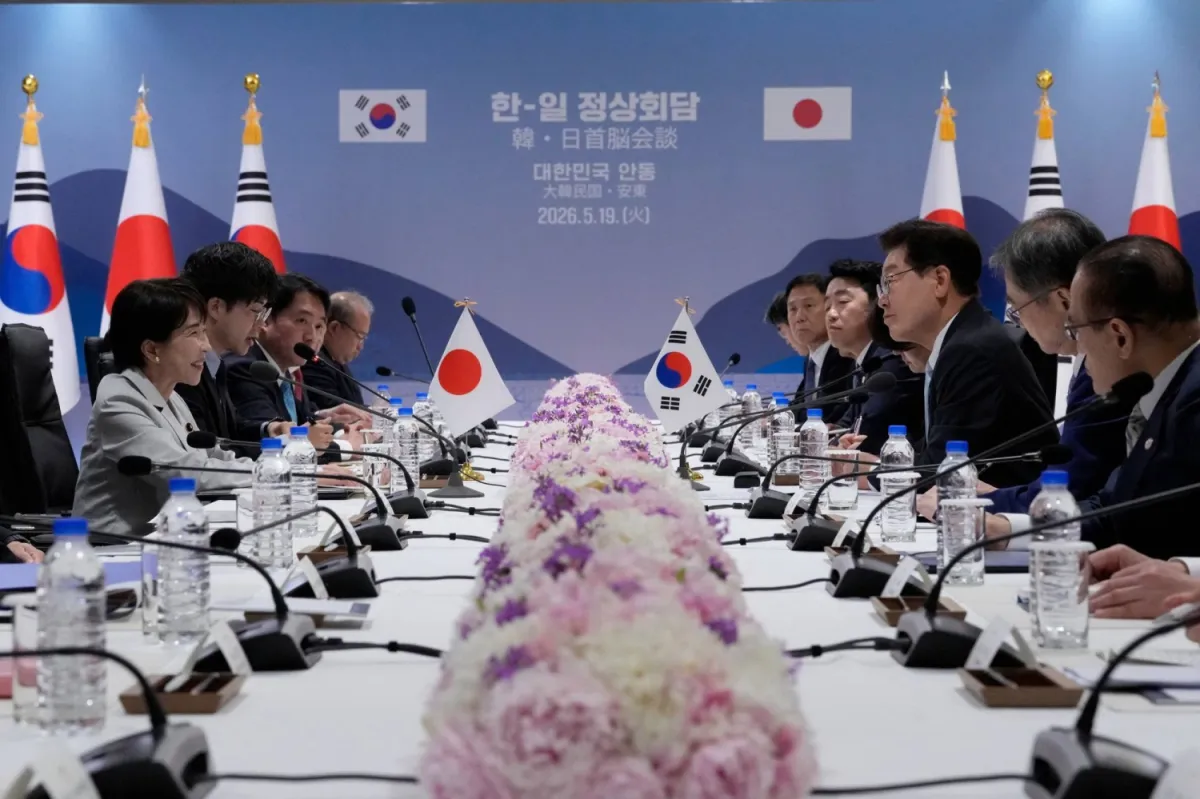
SEOUL – The alliance among the United States, Japan, and South Korea faces a critical period as Washington expresses deep doubts over the integrity of intelligence information from Seoul. The increasing fragility in sensitive data exchange risks eroding strategic trust, potentially altering the dynamics of security in the Pacific region this year, 2026. Specific incidents triggering these concerns have not been publicly detailed, yet their impact is significantly felt within diplomatic circles.
Diplomatic sources in Washington, who requested anonymity, indicated serious concerns regarding potential information leaks or system vulnerabilities in South Korea. This issue is not merely a common diplomatic friction; it strikes at the core of security cooperation built over decades among these three vital powers in East Asia.
This trilateral alliance, historically formed to counter regional threats, particularly from North Korea and to balance China's influence, is now being tested. Regional stability hinges on the solidity of this pact, and any cracks could create widespread geopolitical uncertainty. The presence of US military bases in Japan and South Korea stands as clear evidence of a shared defense commitment now under threat.
From Tokyo's perspective, America's wavering trust in Seoul is certainly a focal point. Japan also has a vital interest in maintaining regional security and relies on seamless intelligence sharing with both its partners. Any ambiguity in Seoul could affect their collective defense strategy, especially in addressing increasingly intensive provocations from Pyongyang.
The threat to this alliance has the potential to reshape the power map in East Asia. If intelligence communication is disrupted, the ability of the US and Japan to respond quickly and coordinately to threats will weaken. This could create an opening for other actors to exploit the situation, further complicating an already tense stability.
The South Korean government, under its current leadership, is expected to strive to dispel these concerns and reassure its allies regarding their commitment and capacity to safeguard data security. However, Washington's insistence on a comprehensive review of South Korea's intelligence procedures cannot be ignored.
This crisis of trust is not unprecedented. Previously, Seoul's relations with Tokyo were often marked by historical tensions that also affected regional cooperation. However, direct intelligence issues with Washington carry a different and more serious dimension. The region also saw heightened tensions when the UN Secretary General was accused of bias as North Korea escalated anger at the border, underscoring the importance of solid security coordination.
Should this distrust persist, its impact could extend to defense cooperation projects, joint military exercises, and even the foreign policies of the three nations. Purchases of sensitive military technology or weaponry could be hampered, slowing down the modernization of armed forces and collective response capabilities.
Foreign policy analysts urge intensive and transparent dialogue among the three nations to address the root causes of this issue. Concrete steps to strengthen cybersecurity protocols and ensure accountability in intelligence handling are becoming highly urgent.
The future of East Asia's security architecture hinges on the allies' ability to overcome differences and restore trust, stated a geopolitical expert from Seoul National University, who preferred to remain anonymous. A rift at this point could have long-term consequences for regional stability.
This situation places South Korea at a crossroads, where its policy choices will determine the direction of its strategic alliances with the United States and Japan in the years ahead.
Editorial Insight: Washington's wavering trust in South Korea's intelligence integrity is a serious alarm for the entire East Asian security structure. This is not merely a bilateral or trilateral issue; it reflects a larger geopolitical challenge. If not addressed promptly with concrete actions, this rift could be exploited by rival powers, weakening the position of democratic alliances in the region. Seoul must demonstrate full commitment to elevating its information security standards to rebuild this crucial foundation of trust. This instability also has the potential to disrupt the domestic political agendas of President Donald Trump in the United States and the Japanese Prime Minister's government, which heavily rely on regional stability.