 Gabriella
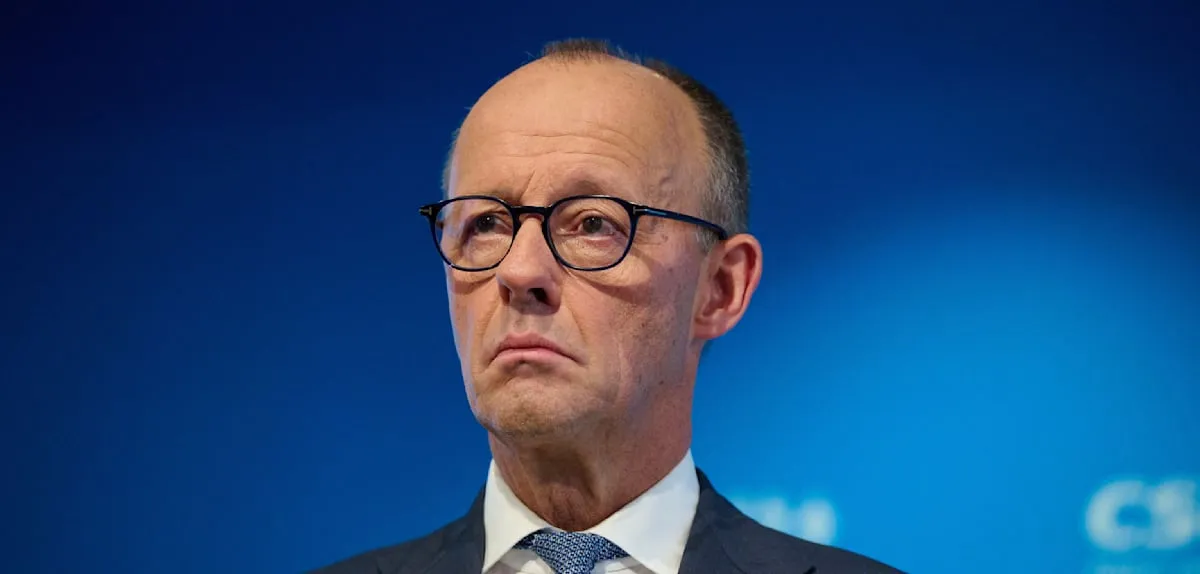
BERLIN – The latest public opinion poll in 2026 has shaken Germany's political landscape, revealing a significant level of public dissatisfaction with Chancellor Friedrich Merz and indicating an electoral shift. The Alternative for Germany (AfD) party remains the dominant force with 26 percent support, yet its lead over the Union coalition (CDU/CSU) has drastically narrowed to just five points, the closest margin since July. Concurrently, 86 percent of respondents expressed dissatisfaction with Chancellor Merz's performance.
These figures reflect an increasingly volatile political dynamic in Germany. Since mid-year, the AfD has consistently maintained its position as the strongest party in various polls, capitalizing on public dissatisfaction with the coalition government.
Nevertheless, momentum appears to be shifting towards the Union coalition. The slight increase in support signals a potential resurgence in appeal for conservative voters who may be seeking an alternative to the AfD but are also unhappy with the status quo.
Friedrich Merz, serving as Chancellor, faces a significant challenge. A dissatisfaction rating of 86 percent is a serious alarm call for his leadership and the future of his administration. This figure far exceeds the average levels of dissatisfaction commonly seen for a head of government.
Various domestic issues and foreign policies in Germany are believed to be driving factors behind Merz's plummeting popularity. Criticism regarding economic management, immigration policies, and the response to the energy crisis continues to surface in the public sphere.
This shift in sentiment can also be linked to broader social and political upheavals. Issues such as the debate over freedom of expression, which once gained attention in the case where Comedian Kroemer Escapes Legal Action After Criticizing AfD Voters, highlight deep polarization within German society.
The narrowing gap between the AfD and the Union also raises questions about the strategies of both parties ahead of the next general election. The Union will likely attempt to reclaim conservative voters who defected to the AfD, while the AfD will strive to consolidate its support base.
This phenomenon is reminiscent of the political conditions in July, when the AfD briefly reached its peak. Now, with the Union beginning to climb, the competitive landscape appears set to become even tighter and more unpredictable.
Merz's government also continues to address social challenges, as seen in efforts like Germany Shakes Up Social Costs: Citizen Aid Access Facilitated Without Bureaucracy!. However, the effectiveness of these policies in restoring public trust remains a significant question mark.
Editorial Insight:
This latest poll indicates that Germany's political landscape is at a critical juncture. The plummeting popularity of Chancellor Merz and the narrowing electoral gap between the AfD and the Union suggest that voters are seeking a new direction. The government must promptly conduct a thorough evaluation and take concrete steps to restore confidence, or risk facing a wave of significant political change in the near future. These dynamics also show that despite AfD's strength, there is still room for established parties to win back public support through appropriate strategies.