 Robert Andrison
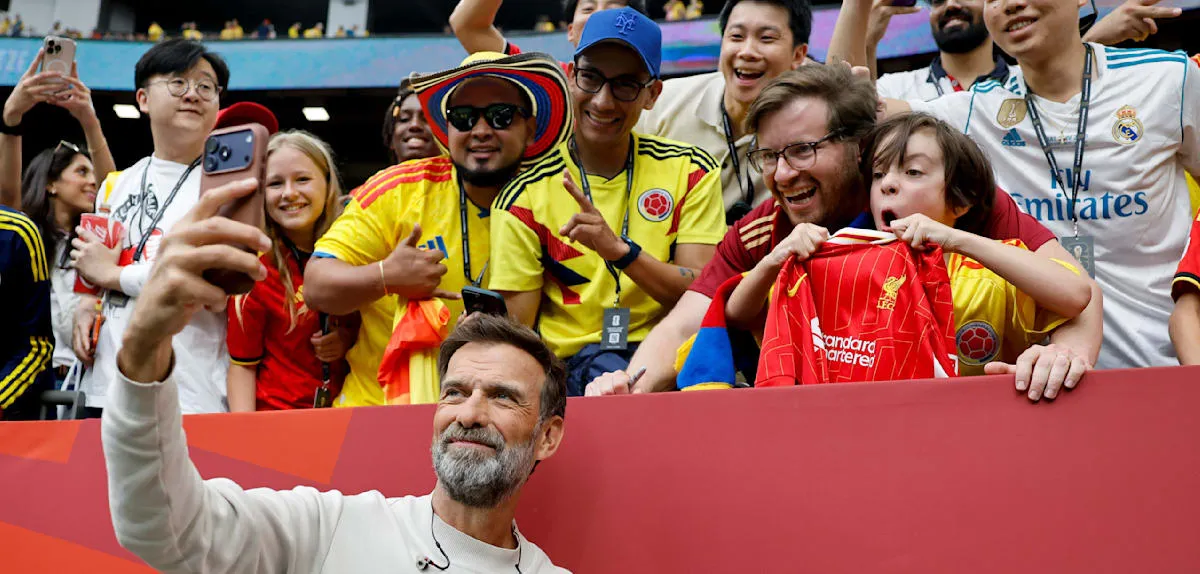
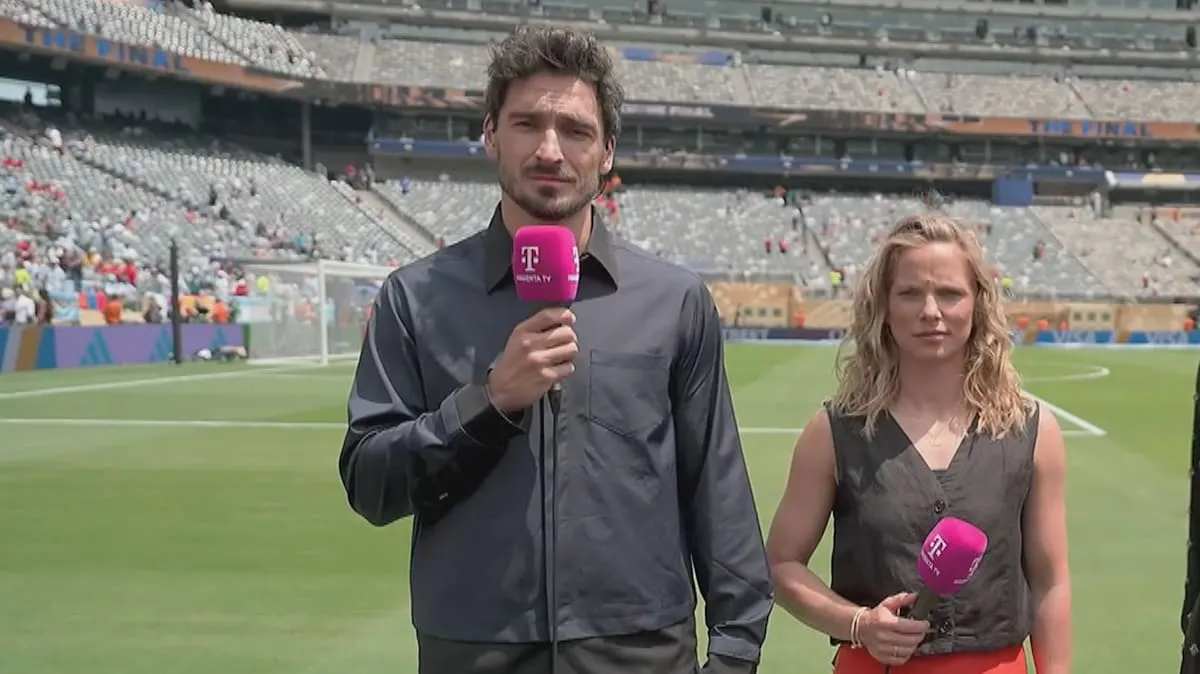
Berlin — Speculation regarding the future of the German national football team's coaching position has peaked after Jürgen Klopp, accompanied by veteran star Thomas Müller, openly outlined his vision and the immense challenges awaiting him as the prospective Bundestrainer. This statement emerged ahead of Switzerland's crucial Round of 16 match in the 2026 FIFA World Cup, sparking widespread discussion about the potential revolution in German football under the celebrated architect of champions.
In a highly anticipated session, Klopp stated, “Structure, training. A lot to do.” This succinct phrase, though still in a subjunctive mood, clearly illustrates the scale of the work ahead should he officially take the reins of Die Mannschaft. This is not merely a coaching change; it is an ambitious project to restore Germany's glory on the international stage.
The discourse surrounding Klopp's appointment is well-founded. Following a series of disappointing performances in previous major tournaments, including frustrating exits in the 2022 World Cup and Euro 2024, the German Football Association (DFB) is under pressure to take drastic measures. Klopp's name, with his brilliant track record at Borussia Dortmund and Liverpool, stands as the strongest candidate expected to bring fresh impetus.
Thomas Müller's presence alongside Klopp lends particular legitimacy. As one of the most influential and respected figures in German football, Müller's support indicates broad acceptance of Klopp's potential leadership. Müller himself is known as an adaptable player with a deep understanding of tactics, making him a vital bridge between coach and players.
Klopp specifically highlighted the importance of a “new approach” for the national team. He emphasized that his task is not merely about formations or on-field strategies but also about rebuilding a winning mentality and a strong playing identity. This process requires comprehensive support from all elements, from players and coaching staff to loyal supporters.
Discussions on team structure and youth player development were central to his presentation. Klopp is renowned as a manager skilled in nurturing talent and creating cohesive playing systems. His iconic gegenpressing philosophy is expected to be adapted to the characteristics of current German players, producing aggressive and effective football.
This informal announcement was deliberately made ahead of the 2026 FIFA World Cup's Round of 16, where Switzerland is set to compete. This timing is not coincidental; it creates a narrative linking the future of German football with crucial moments in the world's biggest tournament. Public attention is thus drawn not only to the matches but also to the grand plans being formulated.
The Swiss team itself has shown an impressive performance in the 2026 FIFA World Cup. They successfully advanced to the Round of 16 and demonstrated resilience. Previously, Switzerland managed to defeat Colombia through a penalty shootout, with goalkeeper Kobel emerging as a hero in the quarter-finals. This penalty drama proved their quality, and Vargas also successfully led Switzerland further.
Nevertheless, Klopp acknowledged that all plans remain in the subjunctive realm. This means the implementation details and his official appointment are still awaiting a final decision. However, the strong signals he has given clearly indicate that the DFB and Klopp are on the same path towards a transformative partnership.
German football analysts have welcomed these developments, albeit with a degree of caution. The biggest challenge for Klopp, if officially appointed, will be to unify the vision in a short timeframe and build a solid team to face upcoming tournament qualifiers and preparations for Euro 2028.
High expectations naturally accompany Klopp's potential arrival. The German public hopes he can inspire young players, integrate new talents, and restore the fighting spirit that has long been a hallmark of German football. His presence is seen as a catalyst for a new era.
As a leader, Klopp is known for his ability to motivate and build strong emotional connections with his team. These attributes are crucial for restoring the confidence of a Die Mannschaft squad that has wavered. His personal approach is expected to unleash the maximum potential of each individual player.
The 2026 FIFA World Cup serves as an important benchmark. The journey of other teams, such as Belgium, who showed an impressive performance with De Ketelaere's cool brace in the 2026 FIFA World Cup, provides a glimpse into the fierce competition Germany will face. Klopp must prepare a team that is not only tactically sound but also mentally resilient.
The final decision regarding Klopp's appointment as Bundestrainer is expected to be announced in the coming weeks, after the knockout stages of the 2026 FIFA World Cup are complete. Until then, every word and gesture from Klopp will continue to be a major focus, marking the beginning of a new, hopeful chapter for German football.