 Robert Andrison
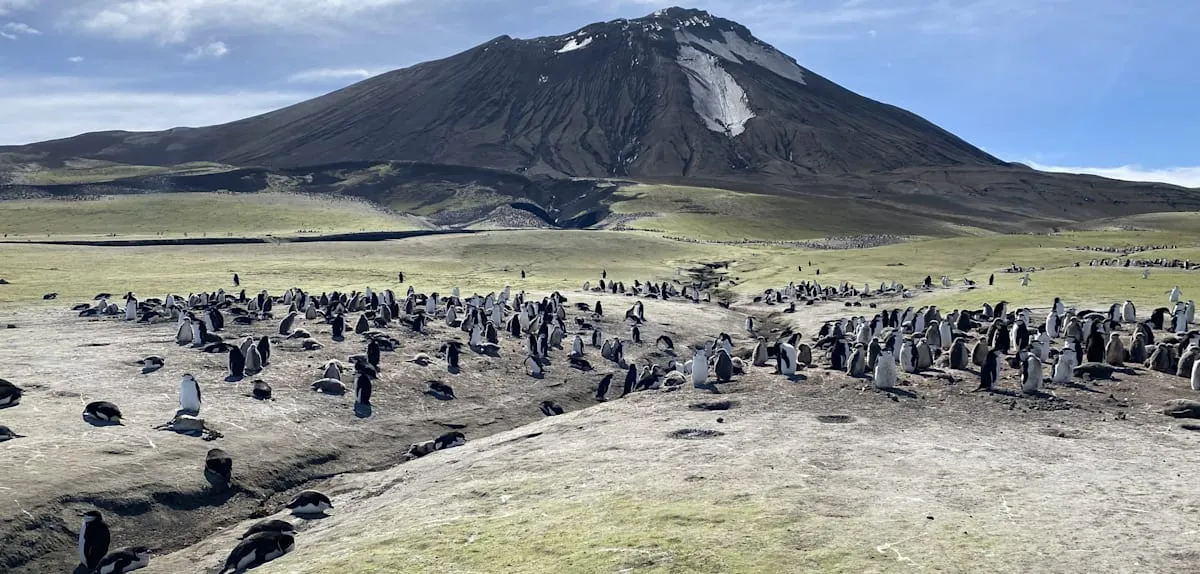
ZAVODOVSKI ISLAND – The chinstrap penguin (Pygoscelis antarcticus) population on Zavodovski Island, which held the status of the world's largest colony in 2011, now faces an existential threat. Latest data reveals a drastic decline of 63 percent over the last decade, triggering deep concern among scientists and global conservationists. This phenomenon underscores the fragility of the Antarctic ecosystem amidst global climate change.
This significant decline was detected through extensive surveys conducted by an international research team. They compared population data from 2011 with recent observations, revealing an alarming rate of decline for this penguin species, easily recognized by the black line under its chin. Zavodovski Island, part of the South Sandwich Islands, historically housed millions of chinstrap individuals, but its landscape has now drastically changed.
This crisis did not emerge suddenly. Scientists suspect various factors contribute to this mass decline. Shifts in regional climate patterns, leading to ocean warming and changes in the distribution of the penguins' primary food source, krill, are believed to be major causes. The availability of krill, small shrimp-like organisms, is vital for the survival of chinstrap penguins, especially during breeding seasons and chick rearing.
Scientific expeditions monitoring conditions on Zavodovski have revealed that, in addition to food factors, an increased frequency of storms and extreme weather conditions have exacerbated the situation. The increasingly unstable environment makes it more difficult for penguins to forage and protect their nests from the elements.
However, amidst this bleak narrative, there is a glimmer of hope. Researchers' observations also note that another penguin species on Zavodovski, the macaroni penguin (Eudyptes chrysolophus), exhibits different resilience. Macaroni penguin populations have not experienced the dramatic decline seen in chinstraps, and in some areas even show stability or slight increases.
The differing responses between chinstrap and macaroni penguins raise significant questions. Initial studies suggest that the two species may have different dietary preferences or adaptation strategies to environmental changes. Macaroni penguins are known to have a slightly more varied diet, allowing them to adapt better when krill are scarce.
Environmental experts from various international agencies have called for immediate action. Losing 63 percent of a population in a relatively short period is a danger signal that cannot be ignored, said Dr. Anya Sharma, a marine biologist from the University of Edinburgh, in a statement. This is not just about penguins; its an indicator of the health of the entire Southern Ocean ecosystem.
The British Government, as administrator of the South Sandwich Islands territory, has stepped up monitoring efforts and is coordinating with global conservation organizations. The goal is to gain a deeper understanding of these population dynamics and formulate effective conservation strategies.
One initiative under consideration is to tighten regulations on krill fishing in the waters around Antarctica. Although commercial krill fishing in the region is regulated, its potential impact on penguin food availability remains a key concern.
The Zavodovski Island case serves as a crucial study in understanding the impact of climate change on biodiversity. The decline of the chinstrap penguin colony reminds the world of the urgency to mitigate greenhouse gas emissions and protect natural habitats.
Editorial Insight: The drastic decline of the chinstrap penguin population on Zavodovski is not merely a local Antarctic news story. This phenomenon is a direct reflection of the intensifying global climate crisis, threatening vital ecosystems. Failure to heed these warning signs could trigger a broader domino effect, impacting marine food webs and, ultimately, planetary stability. Protecting Antarctica and its species requires serious global commitment, not just rhetoric.