 Gabriella
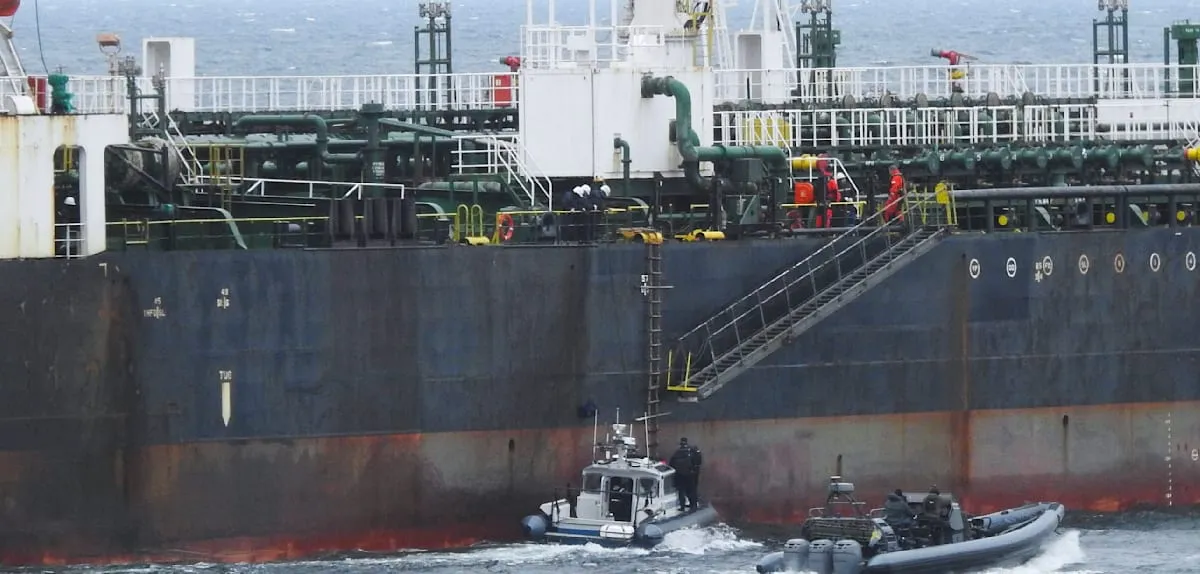
MOSCOW — Russia has surprisingly begun arming its oil tankers with mercenaries and heavy machine guns. The Kremlin adopted this strategic move to thwart Western states' attempts to inspect Russia's "shadow fleet" and prevent further revenue losses after attacks on its oil infrastructure. This maritime security escalation underscores heightened geopolitical tensions in international waters.
The decision to arm these merchant vessels comes after Moscow faced a series of incidents targeting its critical energy facilities. These attacks, which no party has explicitly claimed, raise serious concerns about the stability of global oil supplies and vital revenue for the Russian economy.
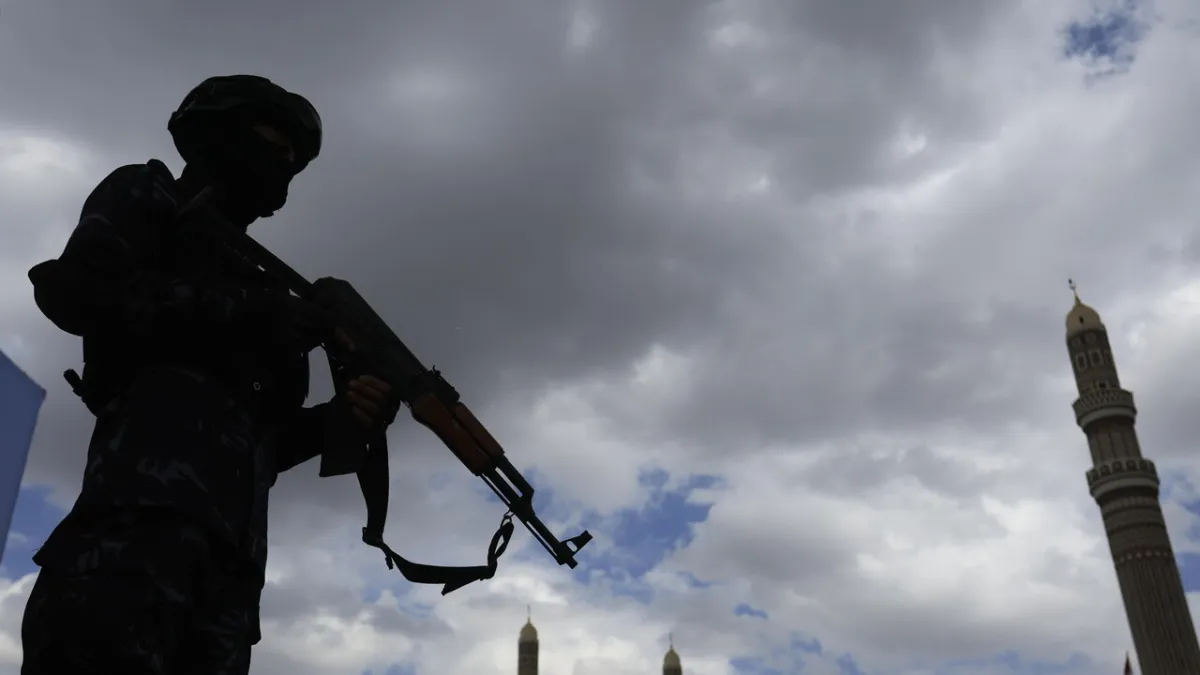
The deployment of mercenaries, rather than regular military personnel, indicates an effort to maintain a "non-military" narrative while still providing robust protection. These armed individuals are believed to have military or paramilitary backgrounds, bringing combat experience to address potential threats on the high seas.
Russia's shadow fleet, consisting of older vessels often operating outside standard international maritime regulations, has been Moscow's primary tool for circumventing Western sanctions. These ships transport crude oil to global markets, especially to countries not adhering to price caps.
The presence of heavy machine guns on board tankers significantly alters the dynamics of maritime security. This equipment is not merely for deterrence but also demonstrates Russia's readiness to use force to protect its economic assets amidst increasing global pressure.
International security analysts view this move as a dangerous escalation that could trigger incidents in neutral waters. Such incidents have the potential to spark broader conflicts involving regional actors and major powers.
Western nations, particularly members of the European Union, have long voiced concerns about the practices of the shadow fleet. They argue that these vessels often fail to meet safety and environmental standards, creating significant risks in global shipping lanes.
This security measure also reflects the Kremlin's frustration with persistent Western pressure. By arming tankers, Russia sends a strong signal that it will defend its interests, including vital trade routes, by any means necessary.
Geopolitical tensions in Europe have reached a peak. The European Union, through crucial steps, continues to pave the way for Ukraine's accession in 2026. This further exacerbates relations with Moscow, which views Western expansion as a direct threat. Russia's efforts to protect its economic lifelines are a response to this comprehensive pressure. Read more about the EU's crucial steps.
Economic experts predict that this move will increase insurance costs for vessels operating in the region. Increased risk could lead to a rise in global oil prices, ultimately burdening consumers worldwide.
This situation is reminiscent of the Cold War era, when major powers were directly or indirectly involved in protecting their strategic assets at sea. However, the use of mercenaries adds a new layer of complexity that is difficult to regulate under international law.
This maritime security policy poses serious challenges for international organizations like the International Maritime Organization (IMO) to develop a regulatory framework that can accommodate this new situation without impeding essential global trade.
Governments in Washington and Brussels have not yet issued official responses, but strong condemnation is anticipated. The international community will likely demand explanations from Moscow regarding the legal basis and true purpose of deploying armed personnel on merchant ships.
The future of global oil trade is now increasingly uncertain. With armed tankers traversing major shipping lanes, the risk of accidental confrontation rises dramatically. The world closely watches how these new dynamics will affect regional and global stability in the long term.