 Angela Stefani
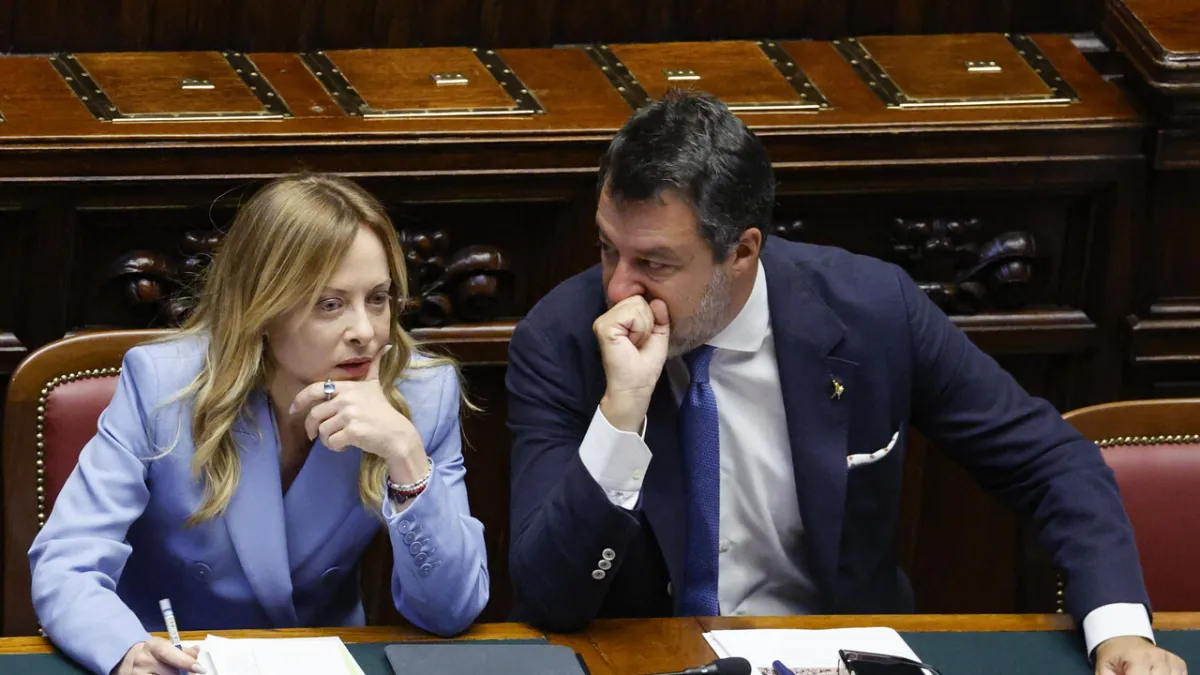
ROME – Political tensions have flared within Italy's center-right coalition after the Lega party directly challenged its partners regarding the implementation of the Strade sicure program. Lega is pushing for the immediate deployment of 10,000 military personnel and has proposed a controversial funding source.
This demand comes from the faction led by Matteo Salvini, highlighting strategic differences in maintaining public security nationwide. It represents a significant political maneuver to assert the party's position within the ruling alliance.
Lega explicitly stated that the budget for the additional security forces could be covered by just three days of profits from a large bank. This statement immediately sparked widespread debate concerning fiscal priorities, national security, and potential state intervention in the private sector.
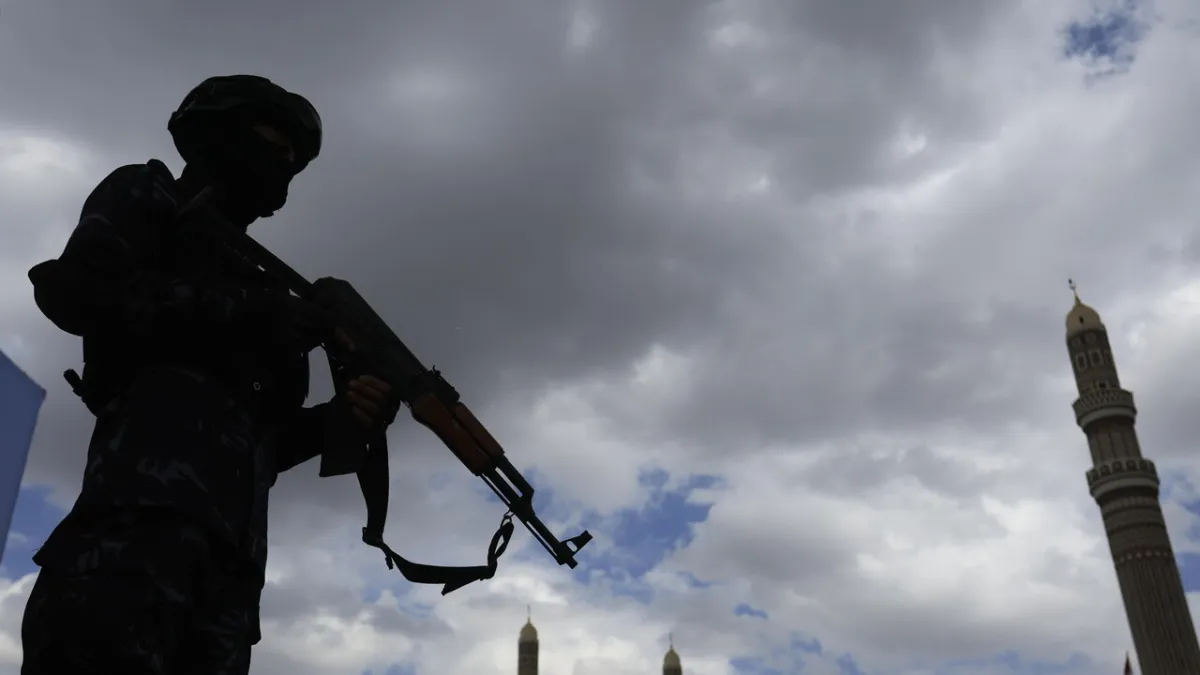
The Strade sicure program, which literally means Safe Roads, is an Italian government initiative aimed at increasing military presence in sensitive urban areas and critical infrastructure. Its objective is to support police duties, particularly in confronting growing threats from terrorism and organized crime across various regions.
Lega's insistence threatens to strain relations within the governing coalition, which has historically been marked by internal dynamics and power struggles. Other parties in the center-right alliance, such as Fratelli dItalia and Forza Italia, now face pressure to respond diplomatically to this aggressive demand.
A Lega spokesperson emphasized the urgency of action. Citizen security is non-negotiable. Italy needs a tangible military presence to guarantee order and tranquility, he stated, underscoring the party's strong commitment to this issue as a primary political agenda.
The claim that funds could be sourced from large bank profits is a major point of contention. This is not merely a budgetary proposal but a political statement that could destabilize market confidence and provoke debate on the state's role in economic regulation.
As of this report, there has been no official response from Prime Minister Giorgia Meloni's Fratelli dItalia or Antonio Tajani's Forza Italia. However, political observers predict difficult discussions given the budgetary and political implications of Lega's proposal.
The issue of public security and military deployment is not new in Italy. Various previous governments have also grappled with the best way to balance civil liberties and the need for strict security, often leading to fierce parliamentary debates.
Such political maneuvers often signal an attempt to consolidate internal power within the coalition, potentially even serving as preparation for upcoming regional or even national elections.
Political dynamics in Italy are frequently full of surprises, such as Meloni's firmness in maintaining a coalition without opposition to supporting Ukraine, which previously garnered public attention. This illustrates the complexity of maintaining alliance stability.
The future of the Strade sicure program now depends on the coalition's ability to find common ground. Whether Lega's demands will be fully met or if a compromise will be reached remains a significant question that will determine the direction of Italy's security policy.
The decisions made by the coalition will significantly impact public perception of the government's effectiveness in handling security issues, as well as its effects on the country's economic and political stability.
Editorial Insight: Lega's bold move not only reveals differing views within the coalition but also highlights the complexities of funding large-scale security initiatives amid fiscal pressures. The government must consider the economic and political repercussions of every decision, especially when it affects the financial sector and influences public perception of the nation's overall stability.