 Dodi Irawan
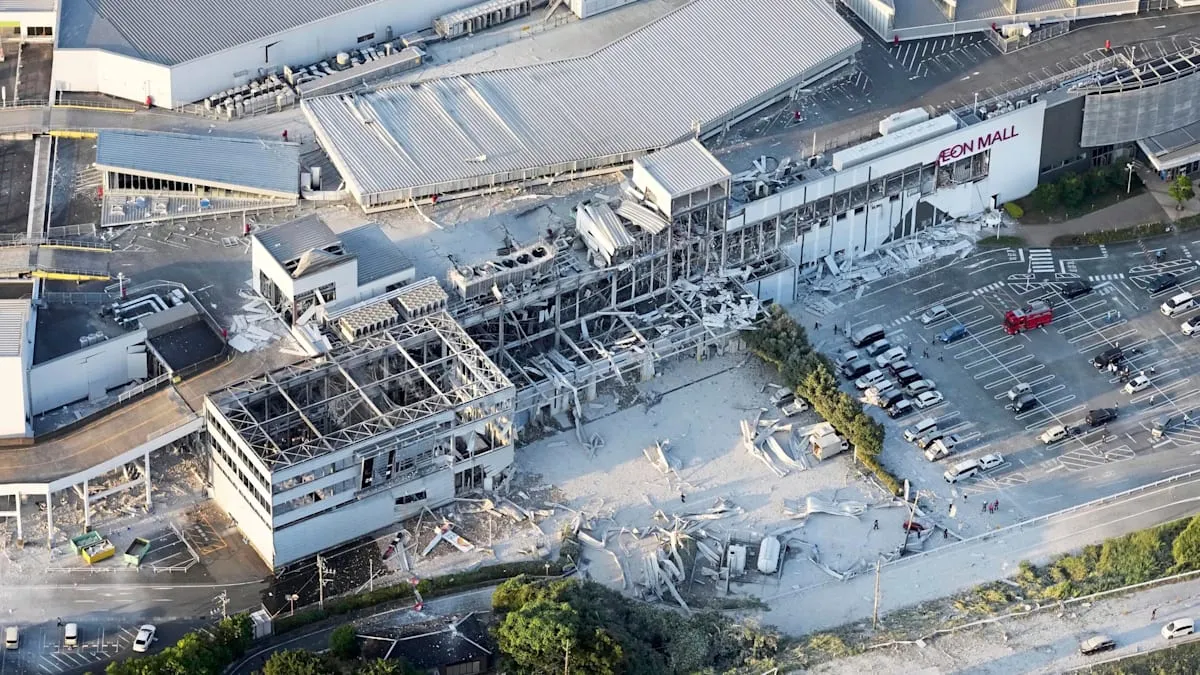
TOKYO – Japan is once again plunged into grief following a powerful 7.1 magnitude earthquake that struck the nation's southwestern region in the early hours of April 12, 2026. The tremor claimed the lives of at least 13 people, causing extensive damage to buildings and road infrastructure, triggering the evacuation of thousands, and reigniting concerns about disaster resilience in the earthquake-prone country.
The devastating quake was felt strongly for hundreds of kilometers, rousing residents from their deep sleep. The Japan Meteorological Agency confirmed the earthquake's epicenter was at a shallow depth of approximately 10 kilometers below the earth's surface, near the Kumamoto prefecture, exacerbating the structural damage.
The rising death toll remains the primary focus of rescue efforts. Search and rescue teams, supported by the military, are racing against time, sifting through rubble in search of potential survivors. Local authorities reported that the majority of fatalities resulted from collapsing buildings or landslides triggered by the seismic event.
Photos and videos circulating depict a grim scene: cracked bridges, split roads, and homes flattened to the ground. Operations of several Shinkansen bullet train lines were temporarily suspended for safety inspections, disrupting the mobility of millions. Power grids and water supplies were also cut in several affected areas, compounding the suffering of the communities.
The Japanese government immediately ordered a full-scale emergency response. National disaster management teams have been deployed to the affected sites. Top priorities include victim rescue, managing displaced populations, and initial damage assessment.
This incident serves as another stark reminder of Japan's vulnerability to natural disasters. The southwestern region, in particular, experienced a series of powerful earthquakes in 2016, which resulted in numerous casualties and massive destruction. A similar incident previously impacted the Kyushu region as reported: Devastating Quake Rocks Kyushu, Japan: Dozens Dead, Hundreds of Thousands Displaced.
Professor Kenji Tanaka from the Seismology Study Center at the University of Tokyo stated, 'Although Japan maintains very strict earthquake-resistant building standards, a shallow 7.1 magnitude earthquake always carries immense destructive potential. It is crucial to continuously evaluate and enhance early warning systems and infrastructure.'
Waves of solidarity have poured in from across Japan. Various humanitarian organizations swiftly mobilized to deliver aid such as food, blankets, and other essential supplies to the evacuees now residing in temporary shelters. Thousands of volunteers have also registered to assist with search and cleanup operations.
Beyond the loss of life and material damage, this earthquake is also expected to have a significant impact on the local economy, especially the tourism and agricultural sectors, which are vital to the southwestern region. Operations at several key factories have also been temporarily halted, pending safety evaluations.
The Japanese government is committed to accelerating the reconstruction process and ensuring all affected residents receive adequate assistance. This incident serves as a critical reminder for the Land of the Rising Sun to continuously invest in seismic research and disaster resilience innovation to confront inevitable natural threats in the future.