 Chandra Wijayanto
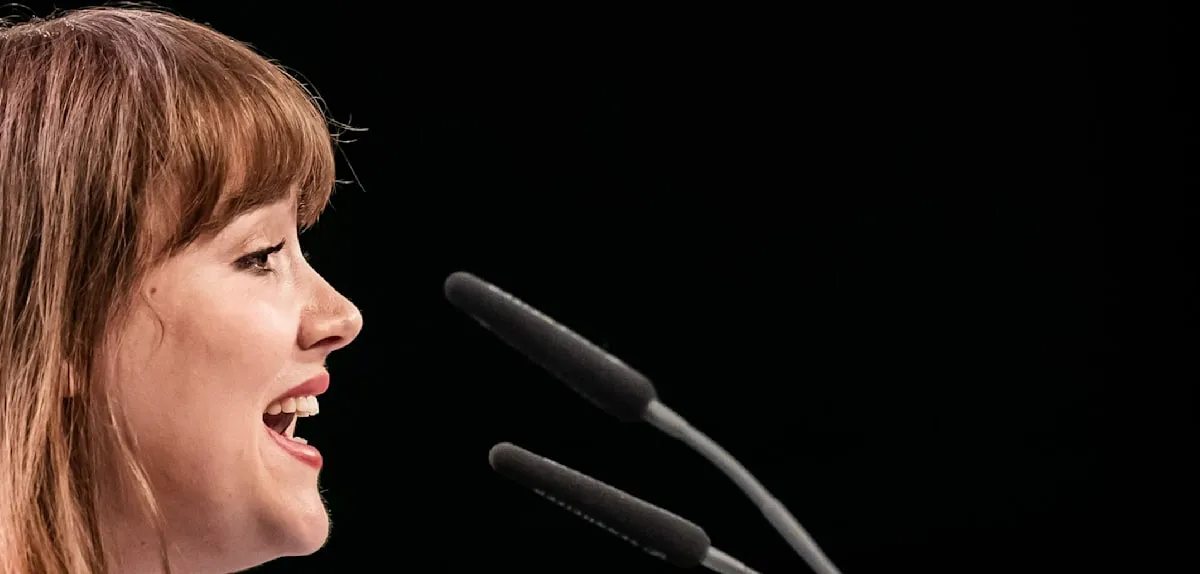
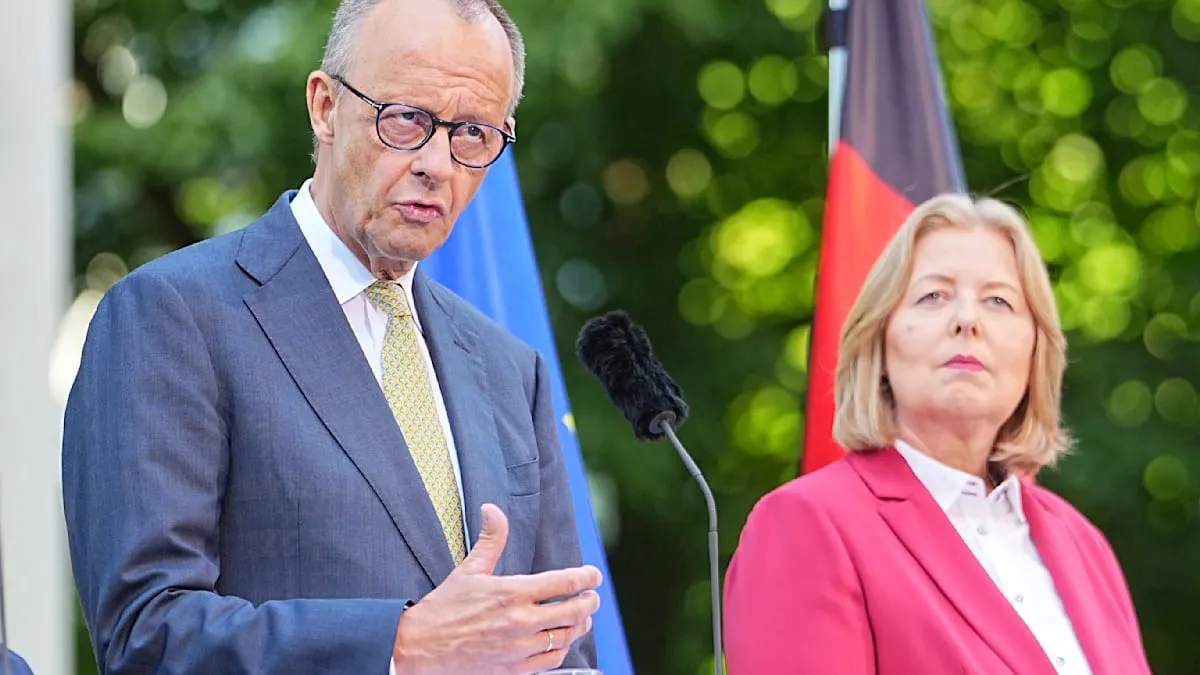
BERLIN — Ricarda Lang, co-leader of Germany's Green Party, launched a sharp critique against the black-red coalition's proposal for stricter sick leave rules, going so far as to suggest CDU Chairman Friedrich Merz "call a family doctor for ten minutes" to grasp the realities faced by the public. This statement reignited a fierce debate about balancing productivity with workers' rights amidst an evolving healthcare system.
Lang unequivocally labeled the idea of tightening sick leave certification rules as a "Schnapsidee," an absurd and nonsensical notion. Her criticism not only targets the policy's substance but also challenges policymakers' understanding of the daily lives of German citizens, especially regarding access to healthcare services.
The proposed policy is believed to aim at reducing the number of sick leave days and minimizing the burden on the social security system. However, Lang and many others argue that such a measure would exacerbate the situation for genuinely ill individuals and burden general practitioners with unnecessary bureaucracy.
The Green Party, part of the current governing coalition with the SPD and FDP, consistently prioritizes social protection and healthcare. Lang's strong rejection of this proposal highlights significant ideological tensions within the German political landscape, even if the proposal originates from the opposition or a different coalition.
Friedrich Merz, as the leader of the largest opposition party and a potential Chancellor candidate, often becomes a target for criticism from the center-left. Lang's sarcastic recommendation for Merz to contact a doctor signifies a deep understanding gap between parties in addressing fundamental welfare issues.
The debate over stricter sick leave rules is not new in Germany. Any policy change in this area invariably triggers intensive discussions among trade unions, employer associations, and politicians. This article is relevant to internal party debates such as Internal Power Struggles in AfD NRW which demonstrate the dynamics of German internal politics.
Proponents of stricter policies argue that extended sick leave is often misused, leading to economic losses for companies and the state. They advocate for a more efficient and responsible system to ensure the integrity of the social security framework.
However, Ricarda Lang highlights potential negative impacts, especially for low-wage workers and those without easy access to healthcare facilities. Complicating the sick leave application process could force employees to come to work unwell, risking the spread of illness and reducing long-term productivity.
Lang's criticism also reflects concern for the workload of general practitioners. With time constraints and tightened procedures, doctors may face greater pressure in issuing sick notes, which in turn could affect the quality of medical services.
This situation provides a clear illustration of the complexities of governance in Germany in 2026, where various parties continuously strive to balance economic stability and social safety nets. Public policies like this, along with other issues such as the sudden halt of subsidies, frequently ignite political friction.
Although a black-red coalition may not officially form the central government in 2026, the term is often used to refer to speculation or policy proposals supported by conservative (CDU/CSU) and socialist (SPD) parties within specific legislative contexts.
Ricarda Lang's statement is more than just ordinary political criticism. It is a call for deep reflection on human values in policymaking, ensuring that every regulation is not only economically efficient but also fair and empathetic to the realities of its citizens' lives. Other German political figures are also frequently involved in similar policy debates.
The next steps will largely depend on the response from Friedrich Merz and the black-red coalition. Will they reconsider their proposals, or will this debate intensify further as the next elections approach? Time will tell how Germany navigates these challenges.