 Demian Sahputra
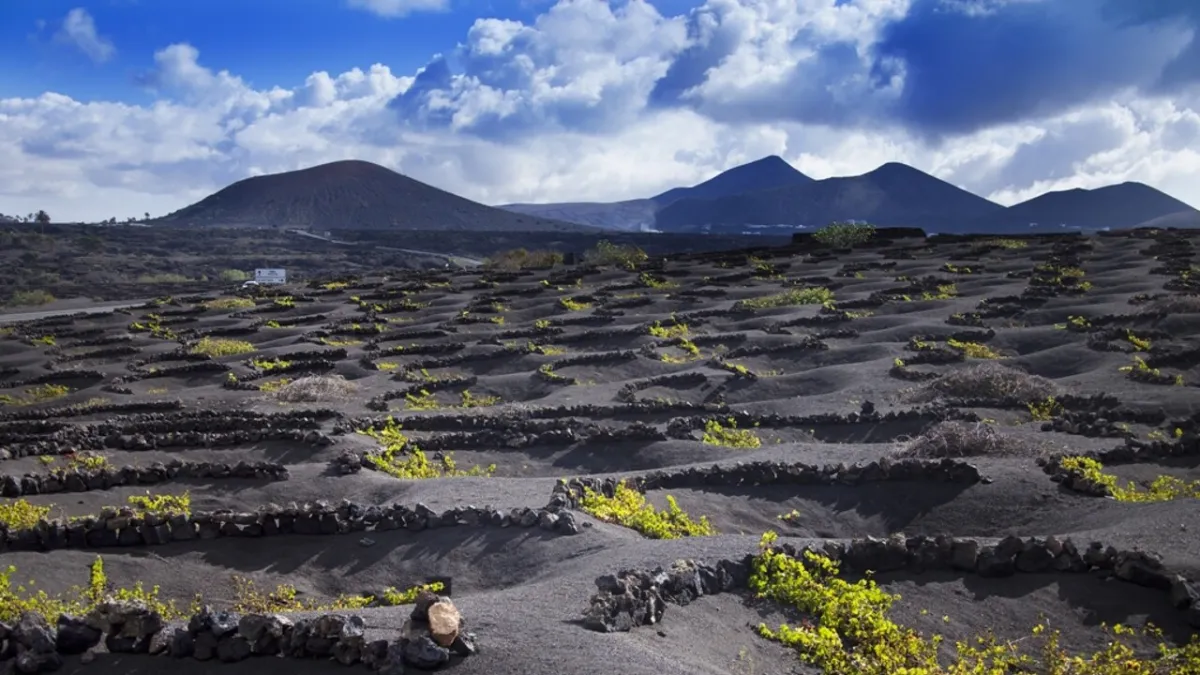
LANZAROTE – The island of Lanzarote in Spain's Canary Islands achieved recognition from the Food and Agriculture Organization of the United Nations (FAO) in 2026 for its unique and sustainable cuisine of ingenuity (cucina dell'ingegno). This designation highlights the volcanic island's commitment to culinary innovation harmonized with its extreme environment.
This prestigious recognition positions Lanzarote as a beacon of gastronomic practices that blend natural elements: volcanoes, Atlantic winds, and rich marine resources, into distinctive dishes. Adapting to the arid and windy landscape has driven local residents to develop creative and environmentally friendly farming and fishing methods.
Cucina dell'ingegno is more than just a phrase; it is a culinary philosophy encompassing local wisdom in utilizing limited resources. Chefs and food producers in Lanzarote have long been known for their ability to transform agricultural products grown in volcanic soil, such as Malvasia Volcanica wine, potatoes, and onions, into exceptional dishes.
The Director-General of the FAO, in a statement, praised Lanzarote as a global example of how a community can achieve food security while preserving cultural heritage through innovation. The unique volcanic terroir shapes a flavor profile found nowhere else.
Gastronomy experts highlight how strong winds and mineral-rich volcanic soil are not seen as obstacles but as assets. The winds assist in drying fish and meat, while the volcanic soil provides unique nutrients for plants. The integration of these elements creates a distinct and profound culinary identity.
Conservation efforts are also key. Restaurants and hotels in Lanzarote are increasingly committed to using seasonal local ingredients, reducing the carbon footprint of food transportation, and supporting a circular economy. This aligns with global trends toward more responsible gastronomic tourism.
Through educational programs, the younger generation in Lanzarote is taught traditional cooking techniques and sustainability principles. This ensures that the cuisine of ingenuity remains not just a legacy of the past but also the foundation for the island's culinary future.
The local government of Lanzarote welcomed the FAO recognition, stating that it will strengthen the island's position as an ecotourism and sustainable gastronomy destination. They hope this recognition will attract more tourists who value authenticity and environmentally friendly practices.
Several culinary festivals and volcanic taste themed workshops have been planned for 2026, as part of the celebrations for the FAO recognition. These initiatives are expected to foster knowledge exchange among international chefs and promote Lanzarote's local products to global markets.
The economic impact of this recognition is projected to be significant, increasing incomes for farmers, fishermen, and tourism industry players. It also strengthens the Lanzarote brand on the international stage, moving beyond the image of merely a holiday island.
The local community, from winegrowers in La Geria to fishermen along the coast, expressed pride in this achievement. They view this recognition as a validation of their hard work and dedication in preserving traditions while adapting to modern challenges.
Editorial Insight: The FAO's recognition of Lanzarote's cuisine of ingenuity is not just a culinary award; it is tangible proof that sustainable innovation can emerge from adapting to challenging natural conditions. It demonstrates immense economic and cultural potential for similar destinations worldwide to develop their unique identities by adhering to principles of sustainability.