 Dorry Archiles
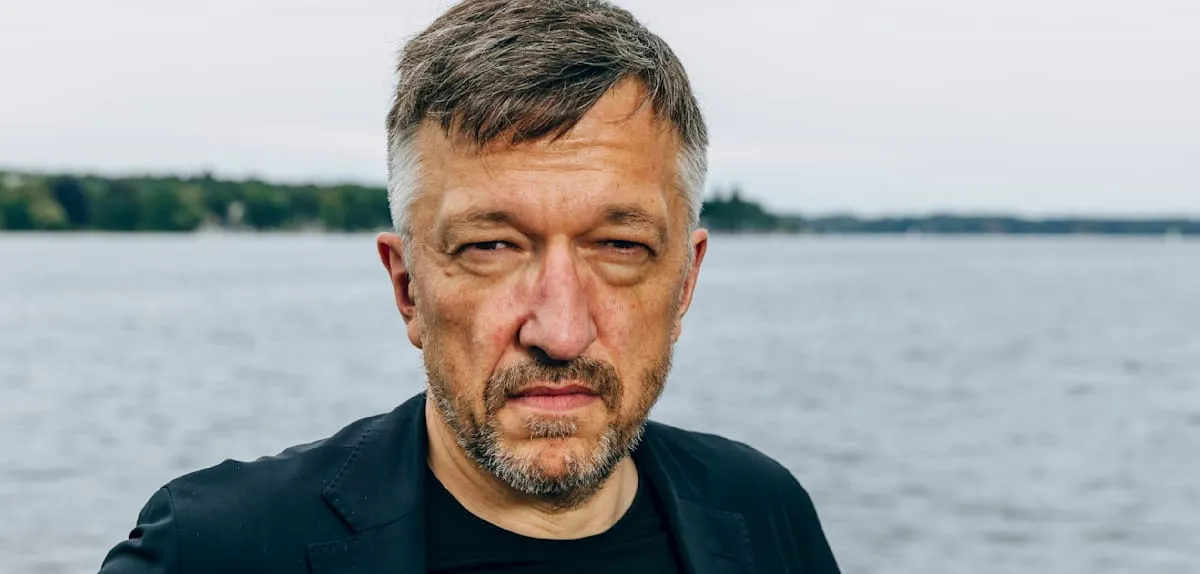
ZÜRICH — Prominent Swiss author Lukas Bärfuss, whose works consistently shake the foundations of conventional thought, is once again at the center of the literary world's attention in 2026. The Georg Büchner-Preis laureate candidly challenges the often-exalted "myth of maternal love," reflecting on the traumatic experience of being abandoned by his mother as a child. His honest confession has sparked a profound debate on the complexities of family relationships and the wellspring of artistic strength.
Bärfuss, whose mother worked as a barmaid, faced the bitter reality of growing up without a maternal figure from an early age. The wound of abandonment left an indelible mark; indeed, as he once expressed, "When I imagined his mother touching him, disgust enveloped him." This extreme statement is not merely a provocation but a vivid depiction of the depth of the wound he carried, which he then transformed into a strong foundation for his identity and work.
Bärfuss's triumph in receiving the Georg Büchner-Preis in 2019 marked recognition for his outstanding contributions to German-language literature. This prestigious award not only solidified his position as an important intellectual but also highlighted how his personal experiences, no matter how raw, can nurture the creation of profound and relevant art. Discussions surrounding his views in 2026 are once again invigorating literary and philosophical circles.
His past trauma did not paralyze him; instead, Bärfuss found immense strength. He transformed grief into creative energy, weaving narratives that expose human fragility, moral ambivalence, and the search for meaning amidst emptiness. His works often explore existential themes with brutal honesty, forcing readers to question fundamental assumptions about life and human connections.
The question of the "myth of maternal love" stands at the core of many discussions surrounding Bärfuss. He criticizes the often unrealistic and idealized view of a mother's role, which can pressure individuals to conceal bitter experiences or negative feelings. According to him, acknowledging the darker side of these relationships is the first step towards a more authentic understanding and personal liberation.
The author argues that society tends to impose a single narrative of maternal love, whereas reality is far more diverse and complex. "Love is not always the hero in family stories," he remarked at a literary forum in 2026, implying that sometimes, the absence or failure of love itself shapes character and propels individuals towards unexpected achievements.
Bärfuss's statements have naturally elicited varied reactions. Some critics praise his courage in voicing social taboos, while others find his perspective too nihilistic or controversial. Nevertheless, it is undeniable that he has successfully opened a vital space for discussion about childhood trauma, neglect, and how these experiences shape one's identity, far from the clichés often presented.
Bärfuss's journey from an abandoned minor to a revered author is a living testament to the resilience of the human spirit. His achievements are measured not only by the awards he has garnered but also by his ability to transform wounds into a sharp lens that views the world from a unique perspective, dissecting layers of hypocrisy and illusion.
Through his work, Bärfuss invites us to reflect that true strength is often found not in avoidance, but in the full acceptance of even the darkest experiences. His exploration of dysfunctional family relationships and their long-term impact offers universal resonance, making him a significant voice in contemporary literature.
In 2026, Lukas Bärfuss's influence in global literature further solidifies his standing as a fearless thinker. He continues to challenge readers to re-examine even the most sacred concepts, demonstrating that from the ruins of trauma, a garden of wisdom and timeless, world-shaking masterpieces can grow.