 Robert Andrison

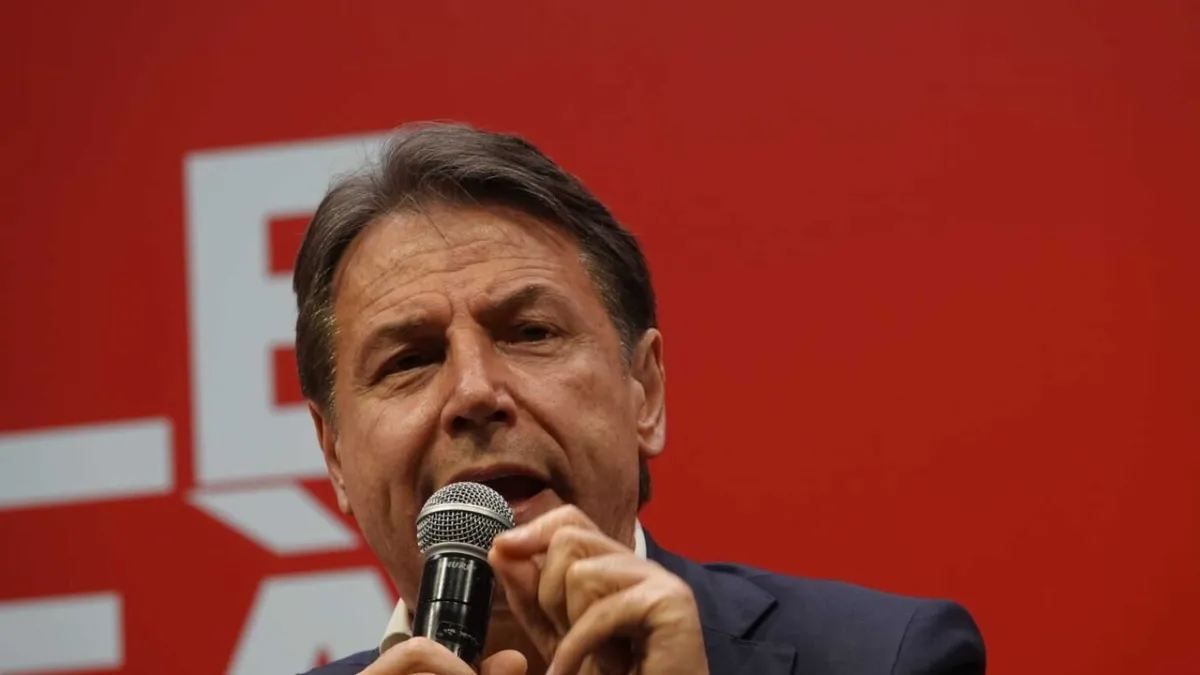
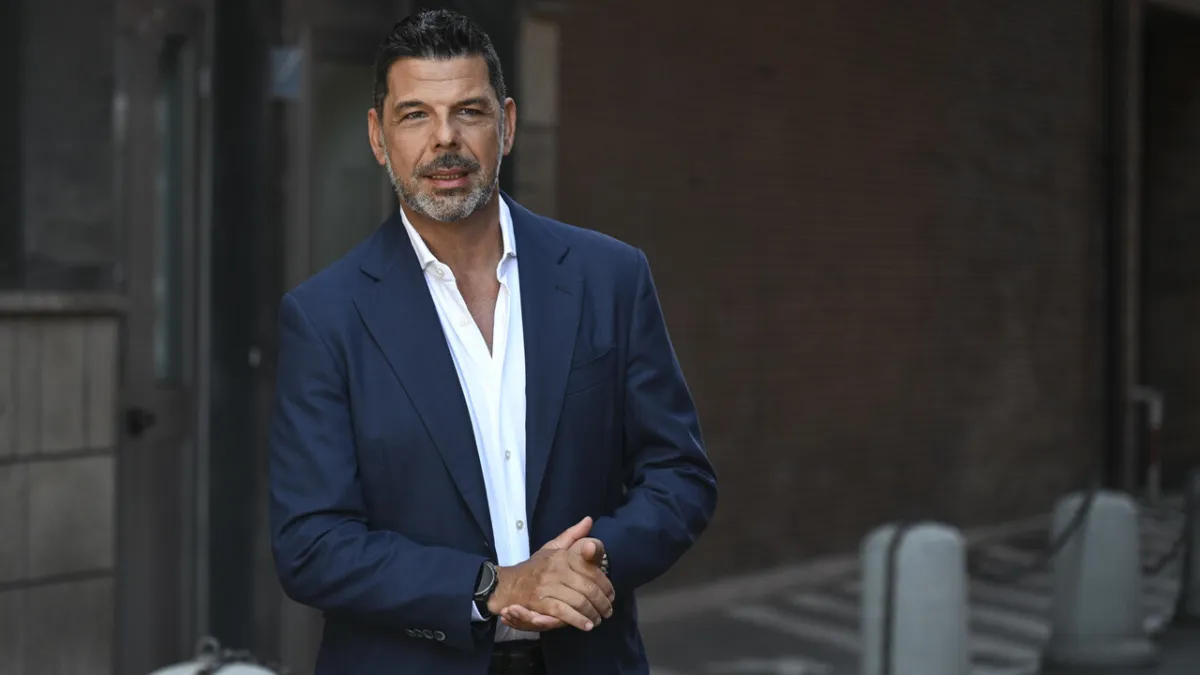
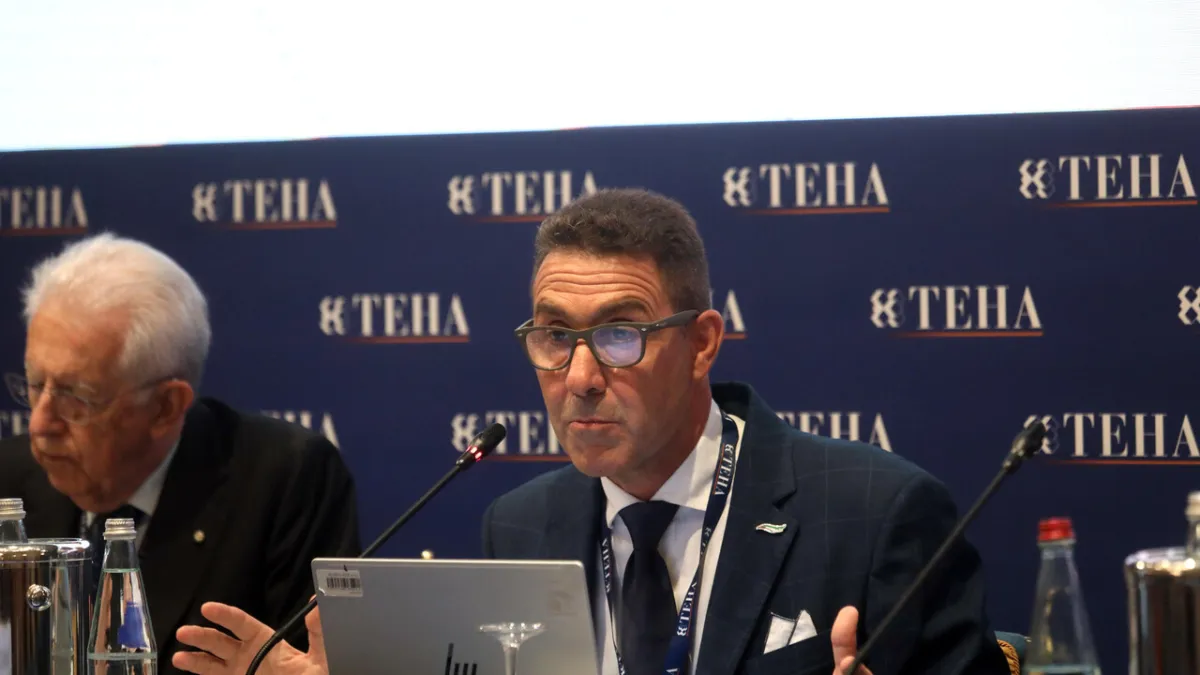
BERLIN — The renowned Italian lawyer, Nicola Canestrini, frankly addressed the complexities behind the sabotage attacks on the Nord Stream pipelines in the Baltic Sea in September 2022. As one of the defenders of the alleged coordinator of the incident, Canestrini expressed profound concerns regarding potential war crimes, political intervention, and evidence manipulation, asserting that his client must not be a "pawn sacrificed" in the international geopolitical arena.
Canestrini, known for his firm stance in defending human rights and justice, emphasized the importance of a fair and transparent legal process. He views this case not merely as an ordinary criminal act, but as a crucial episode with broader implications for global stability and the international legal order.
Canestrini's client is accused of being the main coordinator of an incident that crippled vital European energy infrastructure, sparking an energy crisis and political tensions. The investigation into this incident remains ongoing in 2026, amid much speculation and unsubstantiated allegations.
The issue of war crimes is one of the main focuses of Canestrini's arguments. He suggests strong indications of violations of international law, especially if the attack is proven to have been carried out by state actors with strategic political motives, a serious accusation that requires in-depth investigation.
He also highlighted political influence behind the case. "There are powerful forces trying to shape the narrative and direct the investigation, even before the evidence is independently reviewed," Canestrini stated in his WELT interview. "We will not allow justice to be distorted by hidden agendas or specific political interests."
Regarding evidence, Canestrini stated his defense team is carefully analyzing all available information, including intelligence data and technical reports. He demands full transparency and unrestricted access to all evidence from the relevant authorities to ensure objectivity.
The Nord Stream incident occurred when relations between Europe and Russia reached their lowest point following the conflict in Ukraine. This attack exacerbated distrust and fueled widespread speculation about who was responsible, given the geopolitical sensitivity of the region. This situation is closely related to the escalation of the conflict, as reported in Russian Attacks Shake Ukraine: Casualties Rise, Poland Prepares Jet Fighters.
Moreover, the Nord Stream pipeline attack not only impacted bilateral relations and regional security but also disrupted global energy supplies. Gas prices soared dramatically after the incident, triggering significant inflation in various European countries, including Germany, which heavily relied on Russian gas.
Canestrini's commitment to the enforcement of justice is undeniable. He is frequently involved in sensitive cases concerning human rights and international politics, making him a significant voice in complex global legal advocacy.
The trial against the alleged coordinator is expected to commence in early 2026. Many anticipate the process to be full of intrigue, fierce legal disputes, and garner significant international media attention.
This case also highlights the vulnerability of critical underwater infrastructure, fostering global discussions on maritime security and the protection of strategic assets from increasingly sophisticated sabotage threats.
With Canestrini's statement, the Nord Stream case is once again under public scrutiny. He urges for an investigation conducted without intervention, ensuring every aspect of the case is objectively examined.
"We do not want to see 'pawns' sacrificed for greater interests without justice being served," Canestrini concluded, reiterating his core principle to guarantee his client's rights.
The international community, especially the nations affected by this incident, hopes the Nord Stream case will soon shed light and that justice can be achieved for all parties involved, for global stability and trust.