 Chris Robert
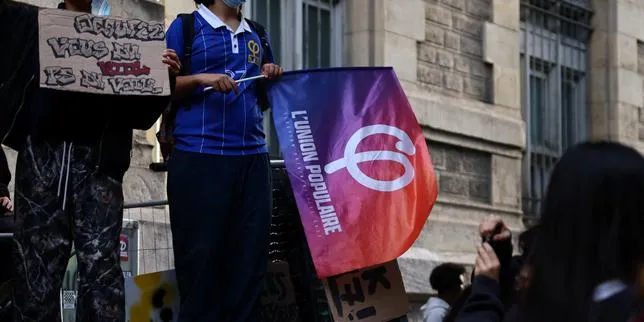
PARIS – The radical left-wing political party La France insoumise (LFI), along with its leader Jean-Luc Melenchon, actively supported high school student mobilizations and blockades across France in 2026. This stance, on one hand, successfully consolidated their electoral base, especially among young people. However, this support also placed LFI in a dilemma, as they found themselves associated with the violence and excesses accompanying the protest movement.
LFI's strategic decision to embrace these student demonstrations marks their continued effort to position themselves as the primary defenders of popular aspirations, particularly among a youth generation often marginalized by government policies. Melenchon, known for his fiery rhetoric, consistently voiced criticism of education reforms and socio-economic conditions that fueled student discontent.
Nevertheless, this narrative of support has not escaped sharp scrutiny. Although LFI explicitly condemned all forms of violence, the party's image was inevitably linked to the anarchic incidents that frequently characterized the blockades. This has become a double-edged sword, potentially damaging their reputation among moderate voters and the general public who value order.
Several violent incidents during this year's student mobilizations have sparked public and security concerns. Media reports routinely showcased damage to public facilities and confrontations between demonstrators and the police, creating an image of instability that LFI's political opponents could exploit.
At the same time, LFI argued that such violence stemmed from accumulated student frustration. They accused the government of failing to listen to aspirations and instead responding repressively to protests, thereby creating an environment conducive to conflict escalation.
This situation is not unfamiliar to France. History shows that student mobilizations often act as catalysts for change or at least trigger intense public debate. Previous waves of similar protests led to the cancellation of French higher education fees in 2027, demonstrating the collective power of student movements.
However, a fundamental difference lies in the intensity and scope of the recent violence. Incidents of widespread student violence and intensifying student mobilization have forced the government to deploy additional security forces, creating deep societal tension.
LFI's position of supporting mobilization while rejecting violence demands a very careful political balance. They must convince the public that their support is rooted in democratic principles and freedom of expression, not in condoning anarchy. Failure to manage this narrative could significantly impact their electability in upcoming general elections.
Other parties across the French political spectrum are leveraging this situation to highlight LFI's inconsistencies or extremism. They seek to associate LFI with public disorder, a strategy aimed at eroding support from voters who prioritize stability and security.
Jean-Luc Melenchon himself faces the challenge of maintaining an image as both a responsible leader and a revolutionary. The balance between championing student aspirations and avoiding the label of troublemaker will be decisive for his political future and that of LFI.
Editorial Insight:
This situation illustrates the complexity of populist politics amid social upheaval. LFI stands at a crossroads, where their courage to support grassroots movements must be balanced with effective image risk management. Their success hinges on their ability to convince the public that they can be constructive agents of change, despite the shadow of violence. Otherwise, the popularity they currently gain among the youth could crumble, and they might miss the opportunity to broaden their support base across wider French society.