 Gabriella
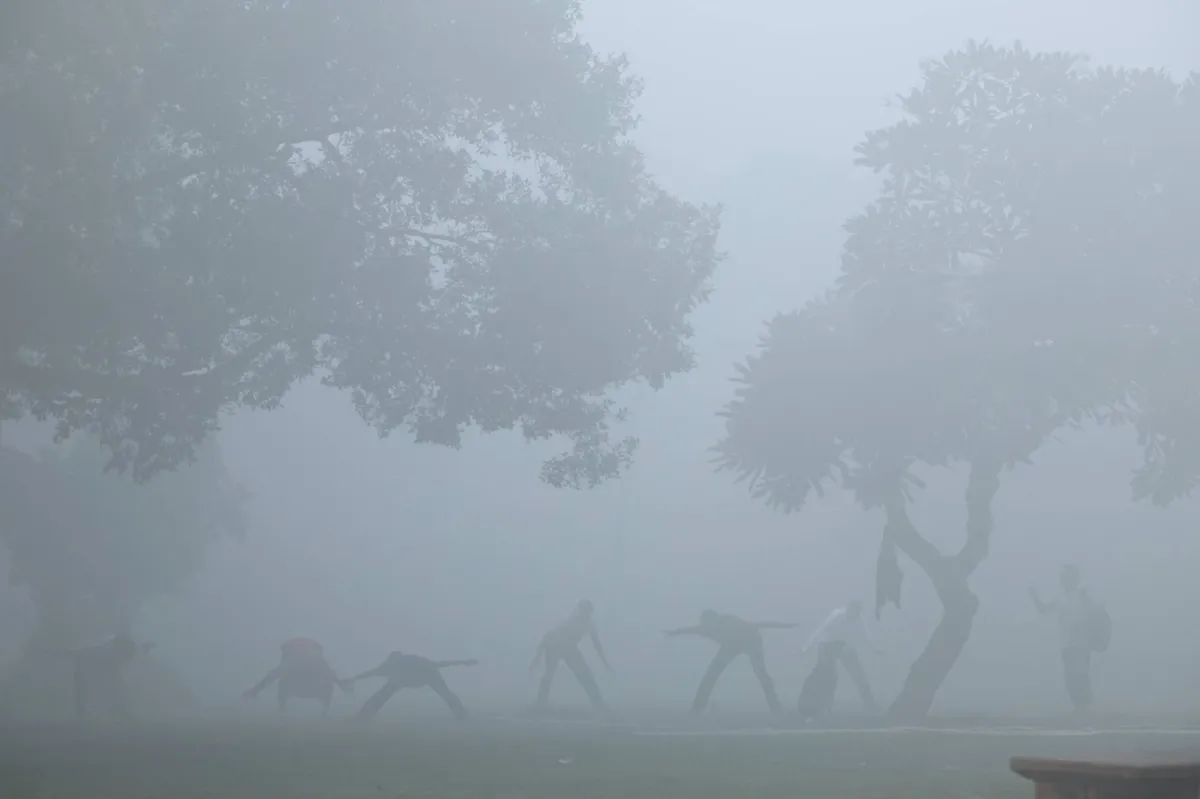
Loni – The Loni region, one of five metropolitan areas within Delhi, has once again topped the list of cities with the worst air quality globally in 2026. An annual report released by the Swiss air quality monitoring firm, IQAir, reveals that life under Loni's skies continues to burn, trapped beneath a thick blanket of smog that threatens the health of millions of its residents. This condition highlights a serious environmental crisis that has persisted for years in the Asian subcontinent.
The latest data from IQAir confirms that the concentration of fine particulate matter (PM2.5) in Loni far exceeds the safe limits recommended by the World Health Organization (WHO). These particulates can penetrate deep into the lungs and bloodstream, causing a range of serious health problems, from chronic respiratory diseases to cardiovascular disorders. This situation places immense pressure on public health systems and the quality of life for local communities.
Environmental and public health experts have repeatedly expressed deep concern over these conditions. They point to a combination of contributing factors, including uncontrolled industrial emissions, agricultural biomass burning in surrounding areas, dense vehicular traffic, and the continued dominance of fossil fuel use. The topography and wind patterns in the Delhi basin also exacerbate the accumulation of pollutants.
The Indian government, particularly the local authorities in Delhi, has launched various initiatives to address this acute air pollution problem. These programs include traffic restrictions, promotion of clean energy, and stricter enforcement of emission regulations. However, the massive scale of the problem and the complexity of on-ground implementation often remain major obstacles.
The people of Loni live under the shadow of health threats every day. Children and the elderly are among the most vulnerable groups to the adverse effects of pollution. Many residents are forced to use protective masks when outdoors, although their effectiveness is often questioned given the extreme pollution levels.
Individual stories of struggle against pollution-related illnesses serve as a stark reflection of this crisis. Doctors in local hospitals report a significant increase in patients with respiratory problems, especially during the winter months when smog phenomena are worsened by static meteorological conditions.
This IQAir report serves as a strong reminder to the global community about the urgency of collective action. Air pollution is not an isolated issue; it has transnational impacts that require collaborative and innovative solutions. Increasingly sophisticated air quality monitoring technologies now allow for more accurate identification of pollution hotspots.
The challenges for India and the Delhi metropolitan area are immense, considering rapid population growth and increasing energy demands. The balance between economic development and environmental protection remains a crucial dilemma that must be urgently resolved.
The 2026 annual IQAir report provides a critical perspective on global air conditions, urging governments worldwide to review their environmental policies. For Loni, these figures are not just statistics; they represent the daily struggle to breathe and survive under polluted skies.
Editorial Insight:
IQAir's designation of Loni as one of the world's most polluted locations in 2026 is a strong alarm that cannot be ignored. This is not merely a local Delhi problem but a microcosm of global environmental challenges. Without more aggressive policy interventions, investment in clean technologies, and changes in societal behavior, the health and environmental crisis in this region will continue to worsen, potentially triggering waves of ecological migration and immeasurable economic burdens. The world needs to learn from Loni's experience to prevent similar tragedies elsewhere.