 Angela Stefani
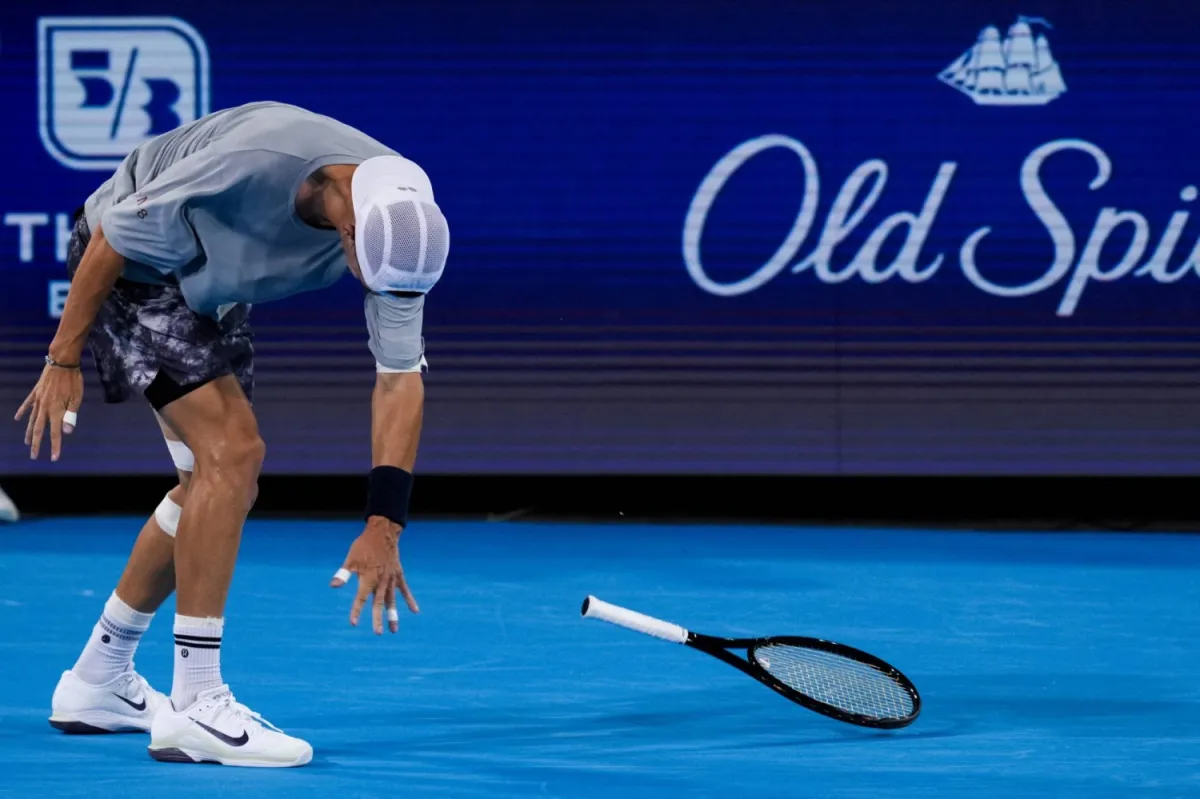
JAKARTA – The increasingly protracted 2026 tennis season is triggering a serious fatigue crisis, especially for lower-ranked players. They are facing immense mental and physical pressure, potentially threatening their careers and well-being. Former player and now prominent sports psychologist, Jeff Greenwald, highlights this phenomenon as a real threat to global athletes.
Players from the lower ranks, who often lack the support facilities of top athletes, are forced to struggle through a series of tournaments without adequate breaks. This exhaustion is not just muscle soreness; it is an accumulation of stress that progressively erodes their mental and physical resilience as the season progresses.
Greenwald states, A long season could leave players tired, mentally stale, negative, or emotionally reactive. This statement confirms that the impact of endless competition extends beyond on-court performance, delving into deep psychological aspects.
These psychological impacts manifest in various forms, ranging from difficulty concentrating, decreased motivation, to uncontrolled emotional outbursts. This vicious cycle of exhaustion is exacerbated by the demands of international travel, time zone adaptation, and insufficient recovery time.
Physically, these tennis players are prone to recurring injuries because their bodies do not have time to fully recover. Muscles constantly forced to work, joints bearing heavy loads, and irregular eating and sleeping patterns all contribute to a drastic decline in physical quality by the end of the year.
Unlike top-ranked players who have complete support teams, access to the best recovery facilities, and the ability to choose their tournament schedules, lower-ranked players often rely on limited budgets and minimal support. This makes them more susceptible to the side effects of a packed competition calendar.
This gap in facilities creates a significant disparity, where the athletes who need support the most are often the ones who receive the least. They must sacrifice rest and recovery time to maintain their rankings and income, an unavoidable dilemma.
This situation demands serious attention from international tennis federations and sports organizations. A re-evaluation of tournament schedules, provision of more affordable mental health support, and more equitable recovery facilities for all players are needed.
Ensuring athlete well-being is not only an individual responsibility but also an imperative for the sustainability and integrity of the sport of tennis itself. If this issue is ignored, we risk losing potential talents forced to give up due to unbearable pressure.
The intensity of competition on hard courts indeed demands peak physical and mental condition, as seen in the drama on the Tokyo courts where victory was achieved after a fierce battle. However, the story behind the scenes is often more bitter for those who struggle to break through the competition without the glamorous spotlight.
Editorial Insight: The phenomenon of extreme fatigue among lower-ranked tennis players in the 2026 season reflects a systemic failure to protect the sport's most important asset: its athletes. Without comprehensive structural interventions, especially in workload management and the provision of holistic support, we will continue to witness performance declines, injuries, and even early retirements from truly potential talents. The responsibility lies with all stakeholders to balance commercial demands with the human well-being of athletes.