 Demian Sahputra
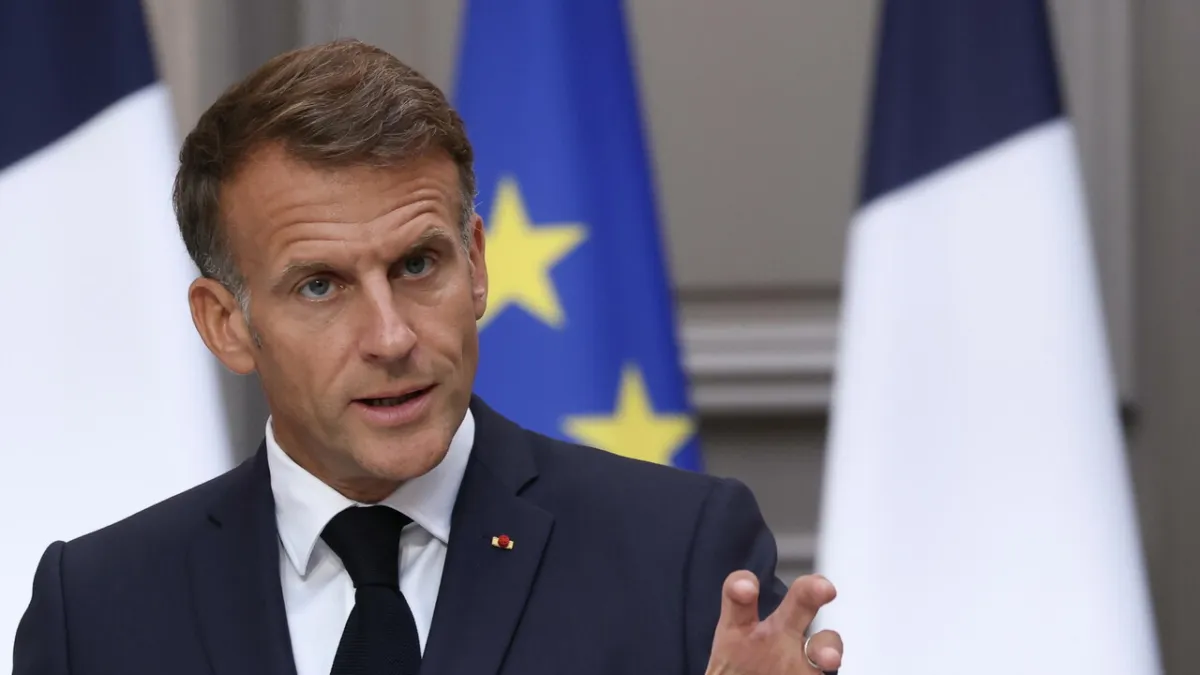
PARIS – French President Emmanuel Macron firmly stated that 'no one is safe' from the impact of Russian attacks and promised to deliver a retaliatory response. This declaration comes amid an escalation Macron describes as Moscow's 'hybrid warfare' aimed at dividing Europe. As a strategic move, he immediately initiated an emergency meeting of G7 leaders to address the energy crisis plaguing the region in 2026.
The statement resonated throughout European political corridors, highlighting growing concerns over Russia's geopolitical maneuvers. Macron emphasized that Moscow's aggression is not merely a military threat, but also encompasses cyberattacks, disinformation, and manipulation of energy markets, all designed to undermine Western cohesion and stability. The French President also asserted, 'La guerra hibrida un errore di Mosca, vuole dividerci' which translates to hybrid warfare is a mistake by Moscow, aiming to divide us.
The concept of hybrid warfare, according to strategic experts, involves employing various non-military tactics to achieve political objectives. These include critical infrastructure disruptions, intensive propaganda campaigns, and efforts to destabilize internally through support for extremist groups.
The emergency G7 meeting on energy reflects the urgency of the situation. Leaders will seek to formulate a collective strategy to reduce energy dependence on Russia, diversify supply sources, and stabilize commodity prices that are currently volatile.
Although specific details of 'Russian attacks' were not explicitly mentioned, the global context of 2026 suggests that cyberattacks on energy facilities or other critical infrastructure are frequent targets. This may also include efforts to manipulate gas and oil prices, fueling inflation in various European countries.
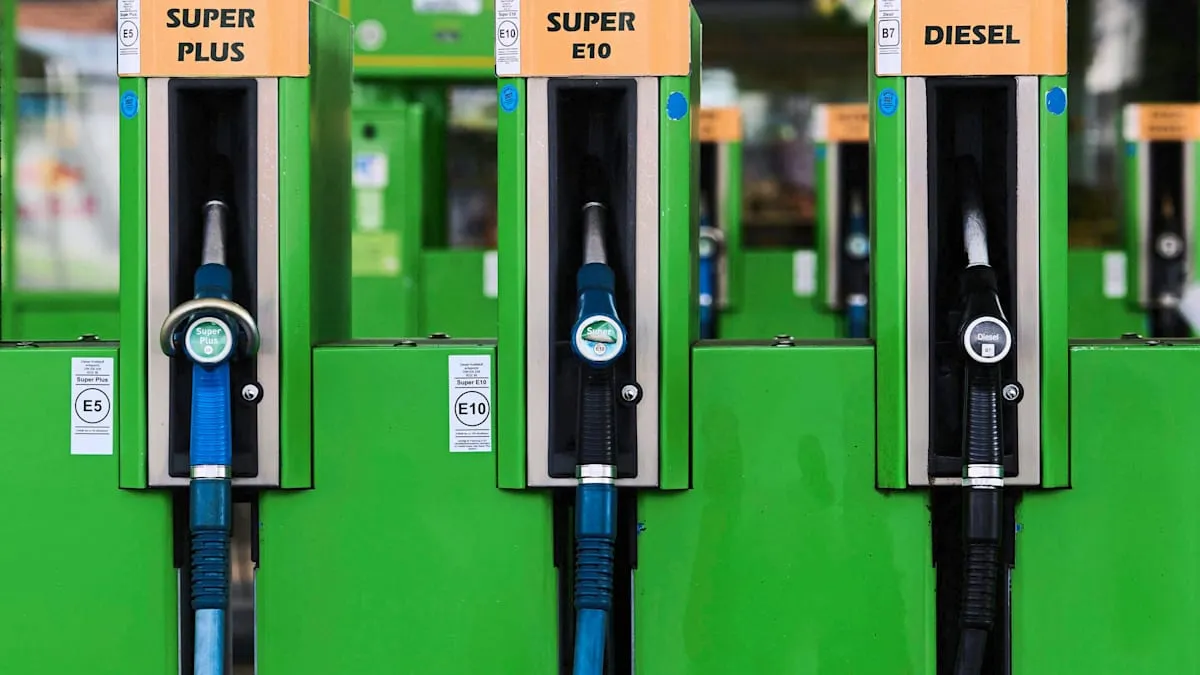
The energy crisis has triggered a wave of inflation and fears of recession across several European nations. Natural gas and electricity prices have soared, burdening households and industries. Climate policies championed years ago now face a dilemma between sustainability and energy security. This issue is compounded by conditions similar to those discussed in the article European Fuel Prices Soar, German Climate Policy at a Crossroads.
President Macron has repeatedly called for unity among European and transatlantic allies to confront this challenge. He affirmed that a coordinated and firm response is key to countering Russia's attempts to divide alliances and weaken collective resolve.
Since the invasion of Ukraine several years ago, Western nations have implemented a series of economic sanctions against Russia. However, Moscow retaliated by limiting energy supplies, particularly natural gas, which many European Union countries had relied upon.
The challenge ahead is how Western nations can maintain pressure on Russia while ensuring energy security and internal economic stability. Decisions made at the upcoming G7 meeting will be crucial in shaping the direction of the global response.
While direct quotes from other G7 leaders are not yet available, it is believed they share similar concerns regarding the Russian threat. Germany, Italy, and other G7 member states have been actively seeking alternative energy supplies and strengthening their cyber defenses.
This confrontation is not merely a regional European issue; it carries significant global implications. World energy prices are volatile, affecting the economies of developing nations and exacerbating geopolitical instability in various parts of the world.
Editorial Insight: Russia's aggression through hybrid warfare presents a severe test for Western solidarity. A coordinated response, especially in the energy sector, is imperative. This G7 meeting is not just about finding short-term solutions but also about reshaping the global security and economic landscape, demanding political courage and strategic innovation. The effectiveness of these measures will largely depend on the long-term commitment of all members.