 Chandra Wijayanto
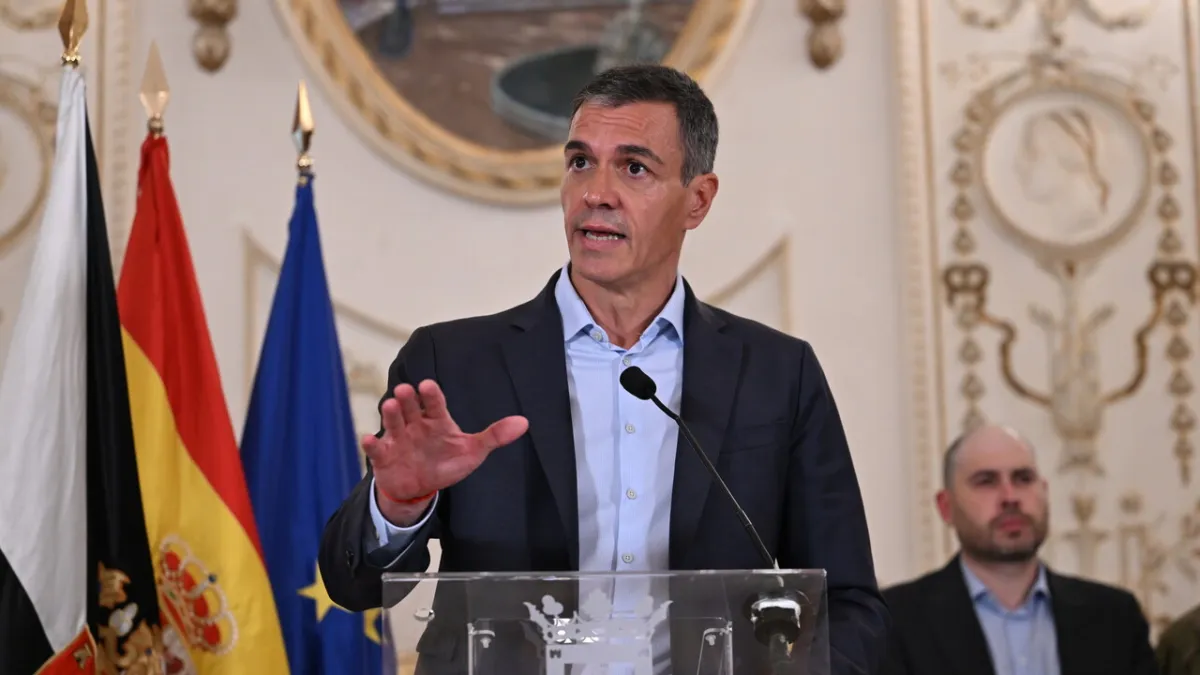
ROME – A heated diplomatic conflict has erupted in the heart of Europe. Madrid has emphatically warned Rome to immediately reopen its borders to migrant flows or face consequences. The office of the Italian Prime Minister, Palazzo Chigi, swiftly rejected the pressure, asserting that Italy would never accept any form of ultimatum, intensifying tensions between the two European Union nations regarding the ongoing migrant crisis in 2026.
These tensions stem from differing policies and the burden of migrant responsibility. Spain, through statements from Madrid, claims to have consistently shown solidarity. They even highlighted their role in accommodating some migrants who arrived in Lampedusa in 2023, indicating that this issue has complex historical precedents.
However, Italy views this insistence as an intervention in its sovereignty to manage migrant flows. Italian Interior Minister Piantedosi responded concisely. "After August 15, we will see," he stated, hinting at potential policy changes or new strategies to be implemented post-summer, which will undoubtedly be closely monitored by other EU member states.
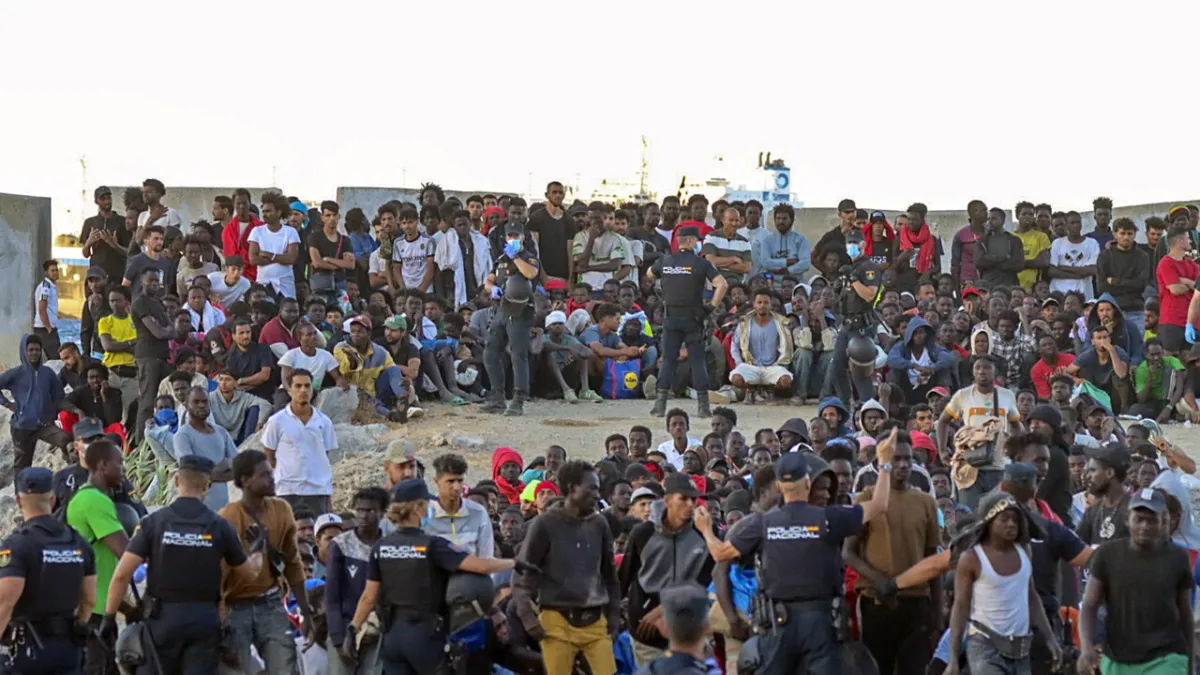
This controversy arises amidst increasing migratory pressure on Europe. The Mediterranean borders and other routes continue to be primary paths for thousands of individuals seeking refuge and a better life, creating an urgent humanitarian situation. Tragedy often shadows these perilous journeys, worsening the perception of Europe's crisis management.
As a grim example, a recent tragic incident occurred in Ceuta, a Spanish exclave in North Africa. A young man died while attempting to enter Ceuta using a paraglider, illustrating the desperation of migrants to reach European soil and the deadly risks they face. This tragedy echoes previous reports about Tragedy in Ceuta 2026: Migrant Dies Paragliding, Deadly Air Access.
The death in Ceuta is not an isolated incident; the region has historically been a flashpoint in the European migration debate. Spanish border policies in Ceuta are often under international scrutiny and symbolize the complex challenges faced by the European Union in managing its border territories. This also brings to mind the issue of Ceuta 2026: Europe's Migrant Quandary, Merz's Policy vs. Merkel's Legacy.
The Italian Prime Minister, who in 2026 leads a center-right coalition, faces significant internal pressure to control illegal immigration. The narrative of "Italy does not accept ultimatums" also aims to project strength to a domestic public increasingly demanding firm action on migrant flows, and to maintain the political integrity of their government.
On the other hand, Madrid's insistence can be interpreted as an attempt to distribute the migrant burden more evenly among EU member states. Spain itself, with its long coastline and Atlantic islands, also faces substantial migratory pressure from Africa, thus seeking solidarity from its partners.
The migrant crisis has indeed tested the cohesion of the European Union for many years. Differences in approach among member states often hinder the formulation of effective and humane common policies, creating loopholes exploited by ruthless human smugglers.
This situation reaffirms the urgency of constructive dialogue and long-term solutions involving all EU members. Without binding agreements and shared commitments, such "ultimatums" will only deepen divisions and exacerbate the suffering of those seeking protection, threatening the very foundations of European unity.
Editorial Insight: The tension between Spain and Italy reflects a collective failure by the European Union to formulate a comprehensive and equitable migration policy. Madrid's ultimatum rhetoric and Rome's staunch refusal underscore political fragmentation that risks undermining the principle of EU solidarity. Without concrete and agreed-upon burden-sharing mechanisms, similar incidents will continue to occur, threatening the foundations of European unity and worsening the ongoing humanitarian crisis on the continent.